Somali army kills 50 al-Shabaab militants near Baidoa in Southwest State
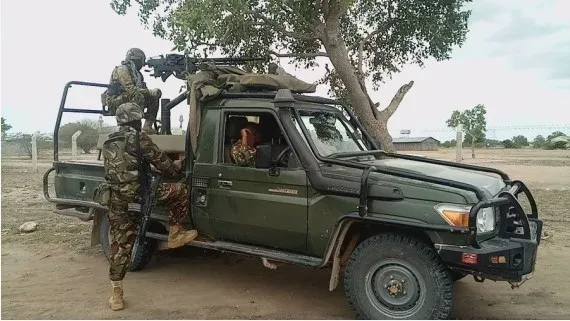
Synopsis
The Somali National Army killed 50 al-Shabaab fighters near Baidoa in a single operation — its largest reported single-day toll in recent months — while simultaneously accusing a former regional leader of colluding with the militant group, adding a volatile political dimension to an already complex insurgency.
Key Takeaways
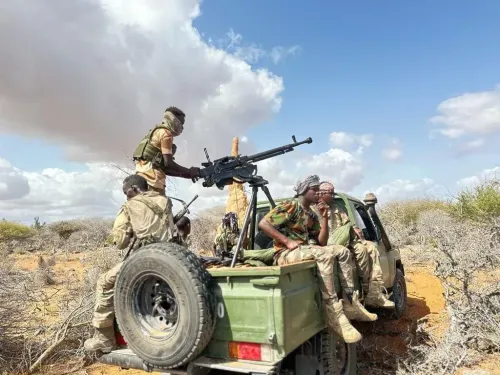
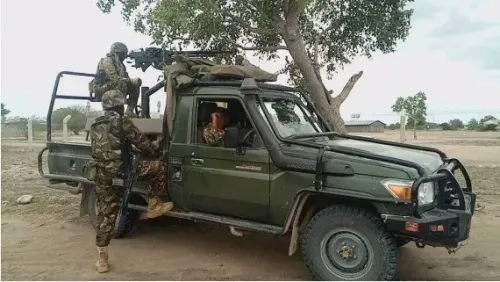
The Somali National Army (SNA) killed 50 al-Shabaab fighters on Thursday during an operation near Baidoa, Southwest State .
Forces destroyed multiple technical battle vehicles , weapons caches, and operational equipment during the assault.
The Ministry of Defence accused militia loyal to former Southwest State leader Abdiaziz Hassan Mohamed of colluding with al-Shabaab; Mohamed denied the allegations.
Al-Shabaab claimed it killed two senior SNA commanders and seized four military vehicles — claims the government has not confirmed.
Last month, Somali forces killed 22 al-Shabaab militants , including Commander Cabdiraxmaan Jeeri , in Lower Shabelle operations.
Al-Shabaab was expelled from Mogadishu in 2011 but continues to operate from rural strongholds across southern Somalia.
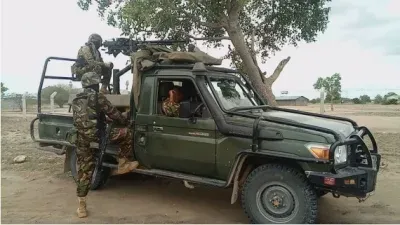
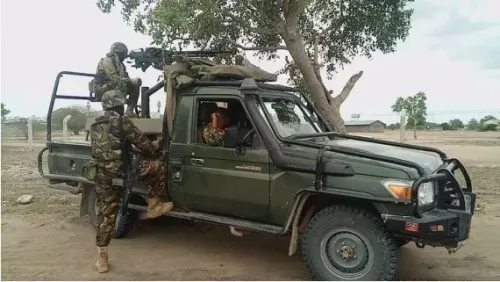
The Somali National Army (SNA) killed 50 al-Shabaab fighters and wounded several others during a coordinated military operation on the outskirts of Baidoa, Southwest State, authorities confirmed on Friday, 15 May. The assault, carried out on Thursday, also resulted in the destruction of multiple technical battle vehicles, weapons caches, and operational equipment belonging to the militant group, according to the Ministry of Defence.
Key Developments
The Ministry of Defence stated that forces dismantled significant militant infrastructure during the operation. Separately, the ministry accused armed militia loyal to former Southwest State leader Abdiaziz Hassan Mohamed of directly colluding with al-Shabaab. Mohamed has denied the accusations, according to reports.
In a strongly worded statement, the ministry warned: 'The government reaffirms that it will never tolerate any individual or group using weapons or armed militias for political purposes or to undermine national security. Anyone supporting terrorists or providing them cover will face action in accordance with the law.'
Al-Shabaab's Counterclaim
Al-Shabaab claimed responsibility for what it described as a dawn ambush, asserting that its fighters killed two senior SNA commanders and seized four military transport vehicles during the withdrawal. The Somali government has not independently confirmed these claims, and such counterclaims by al-Shabaab are common following government-reported operations.
Pattern of Intensifying Operations
The Baidoa operation follows a similar strike last month in which Somali armed forces, backed by international partners, killed 22 al-Shabaab militants — including a commander — during targeted operations across the country's southern region. The Ministry of Defence confirmed on 29 April that those operations, involving ground forces and airstrikes, resulted in the killing of militants in Buulo Cabdalla in the Lower Shabelle region. Among the dead was Commander Cabdiraxmaan Jeeri, reportedly known for terrorising the local civilian population.
This comes amid a broader SNA strategy to eliminate al-Shabaab's rural strongholds. The extremist group was driven out of the capital, Mogadishu, in 2011, but has since entrenched itself in rural areas, conducting ambushes and planting landmines across southern and central Somalia.
International Support and Government Commitment
The ministry expressed appreciation for continued international partner support, underlining its commitment to intensifying operations as part of a broader stabilisation strategy. Somalia's counter-insurgency campaign has relied heavily on foreign military assistance, including from the African Union Transition Mission in Somalia (ATMIS) and Western partners. The government's latest statement signals an intent to sustain operational tempo even as political tensions over alleged militia collusion add a domestic dimension to the conflict.
What Comes Next
With al-Shabaab maintaining a rural insurgency more than a decade after losing Mogadishu, the SNA faces the persistent challenge of consolidating territorial gains. The allegations against former Southwest State leader Abdiaziz Hassan Mohamed could further complicate civil-military relations in a region where political rivalries have historically been exploited by the militant group. Further operations are expected as the government pursues its stated goal of eliminating al-Shabaab's operational capacity.
Point of View
But Somalia's counter-insurgency has produced similar headline figures before without decisively degrading al-Shabaab's operational capacity. The more consequential detail here is the collusion allegation against a former regional leader — a reminder that al-Shabaab's resilience is partly political, not merely military. If armed factions with political grievances are providing cover to militants, no volume of tactical strikes will stabilise Southwest State. The government's warning that it will act against those 'providing cover' to terrorists suggests it is aware of this dynamic, but turning that rhetoric into accountability without triggering further political fractures is the real test.
NationPress
20 Sept 2026
Frequently Asked Questions
How many al-Shabaab militants did the Somali army kill near Baidoa?
The Somali National Army killed 50 al-Shabaab fighters and wounded others during a coordinated operation on the outskirts of Baidoa in Southwest State on Thursday, 15 May 2025, according to the Ministry of Defence.
What equipment did Somali forces destroy in the Baidoa operation?
According to the Ministry of Defence, Somali forces destroyed multiple technical battle vehicles, weapons caches, and operational equipment used by al-Shabaab during the assault.
What did al-Shabaab claim about the Baidoa operation?
Al-Shabaab claimed responsibility for a dawn ambush, asserting its fighters killed two senior SNA commanders and seized four military transport vehicles. These claims have not been independently verified by the Somali government.
Who is Abdiaziz Hassan Mohamed and why is he accused?
Abdiaziz Hassan Mohamed is a former Southwest State leader whose armed militia has been accused by Somalia's Ministry of Defence of directly colluding with al-Shabaab militants. Mohamed has denied the accusations.
How long has al-Shabaab been active in Somalia?
Al-Shabaab was driven out of the capital Mogadishu in 2011 but has continued to operate from rural areas across southern and central Somalia, carrying out ambushes and planting landmines. Somalia's military, backed by international partners, has been conducting intensified operations against the group in recent months.