South Korean Government Unveils New Measures to Boost Inbound Tourism
Synopsis
In a bid to promote inbound tourism, the South Korean government has introduced significant changes including eased visa requirements and expanded regional airport entries. This strategic move aims to attract 30 million foreign visitors by 2030 by enhancing tourism infrastructure and service quality.
Key Takeaways
South Korea is relaxing visa rules to promote tourism.
Regional airports will have expanded entry options.
Target of 30 million foreign visitors by 2030.
New multiple-entry visas for travelers from select countries.
Incentives for increasing international flights to regional airports.
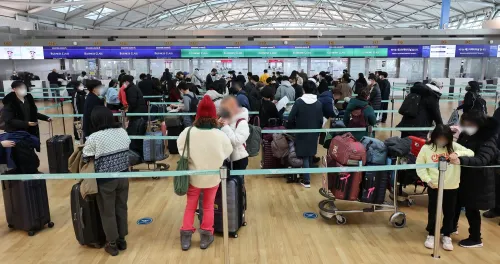
Seoul, Feb 25 (NationPress) The government of South Korea announced on Wednesday a comprehensive set of initiatives designed to enhance inbound tourism throughout the nation, which includes relaxing visa regulations and increasing entry options at regional airports.
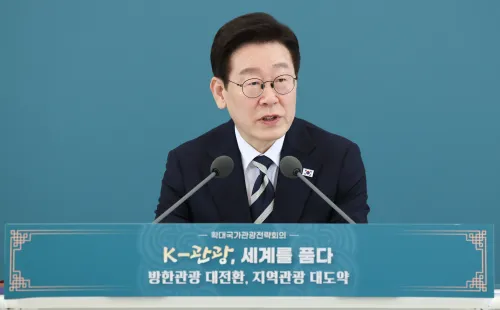
These initiatives were revealed during a national tourism strategy meeting convened at the presidential office, Cheong Wa Dae, led by President Lee Jae Myung, with participation from officials across various ministries, as reported by Yonhap News Agency.
Among the proposed changes, the government intends to simplify visa and entry procedures for tourists. A pilot visa waiver program will be launched, allowing group tourists of three or more from Indonesia.
Additionally, the government aims to introduce five-year multiple-entry visas for travelers from China and Southeast Asian nations who have previously visited South Korea, along with ten-year multiple-entry visas for visitors coming from major urban centers in China and Vietnam.
An automated immigration clearance system will expand from its current 18 countries, including Japan, Singapore, and Australia, to include European Union member nations.
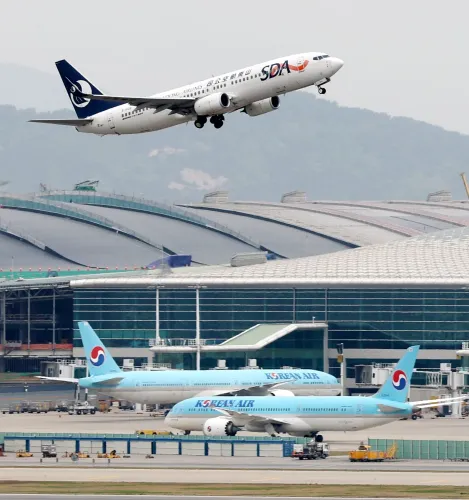
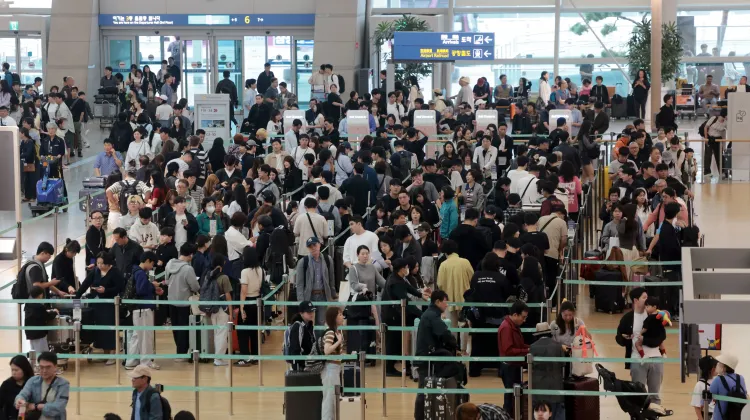
Efforts will also be made to increase international direct flights to regional airports, with exclusive international air traffic rights being allocated to these local airports to better distribute inbound travel demand beyond Seoul and its surrounding areas.
To attract new international routes, the government plans to provide incentives such as reductions in airport facility usage fees and subsidies. Marketing strategies for tourism will also pivot towards various regions through the creation of customized travel packages and promotions focused on specific areas.
With projections estimating that international cruise ship visitors will reach approximately 1.7 million this year, the government is also looking to enhance immigration and security screening facilities at domestic ports and implement expedited clearance processes for cruise vessels.
Meanwhile, President Lee Jae Myung emphasized the need for the government to intensify collaborative efforts to improve regional tourism infrastructure and services aimed at foreign visitors, identifying the tourism sector as a strategic industry.
During the expanded national tourism strategy meeting, officials explored various strategies to invigorate the industry with a target of attracting 30 million foreign visitors by 2030. Last year, South Korea welcomed approximately 18.9 million tourists, setting a new record.
To achieve the 2030 goal, Lee highlighted the necessity of significantly enhancing service quality and fortifying regional infrastructure and tourism offerings.
"Remaining content with the current situation where Seoul attracts 80% of foreign tourists will ultimately limit the growth of the tourism industry," he stated. "The benefits from tourism growth should be shared among local business districts and small business proprietors across the nation."
Emphasizing the worldwide appeal of Korean culture, Lee advocated for a closer linkage between the cultural boom and the tourism sector, as well as the broader economy.
To support this transition, Lee called on the government to enhance regional transportation infrastructure and the immigration process, while also developing innovative tourism content that leverages unique regional resources to entice visitors to explore areas beyond the capital.
He further stressed the importance of addressing longstanding complaints from foreign visitors to elevate service quality.
"We need to eliminate unreasonably high prices, poor service, and excessive solicitation of customers," he urged.
Point of View
It is crucial to recognize the South Korean government's proactive approach toward enhancing tourist experiences. The proposed visa relaxations and expansion of regional airport access signify a commitment to a more inclusive tourism strategy, aiming for sustainable growth and equitable distribution of tourism benefits across the nation.
NationPress
2 Oct 2026
Frequently Asked Questions
What new visa measures has the South Korean government introduced?
The South Korean government plans to simplify visa and entry procedures, including a pilot visa waiver program for Indonesian group tourists and introducing five and ten-year multiple-entry visas for travelers from certain countries.
How does the government plan to enhance regional tourism?
The government aims to increase international direct flights to regional airports and offer incentives for new routes, along with tailored travel packages and promotions to attract visitors beyond Seoul.
What is the government's target for foreign tourist arrivals by 2030?
The South Korean government has set a goal of attracting 30 million foreign visitors by the year 2030.
How many international cruise ship visitors are expected this year?
Approximately 1.7 million international cruise ship visitors are projected to arrive in South Korea this year.
What steps are being taken to improve service quality for tourists?
The government is focusing on enhancing regional infrastructure, addressing complaints from foreign visitors, and eliminating unreasonable pricing and poor service.