Is There an Alarming Increase in Enforced Disappearances of Women in Balochistan by Pakistani Forces?
Synopsis
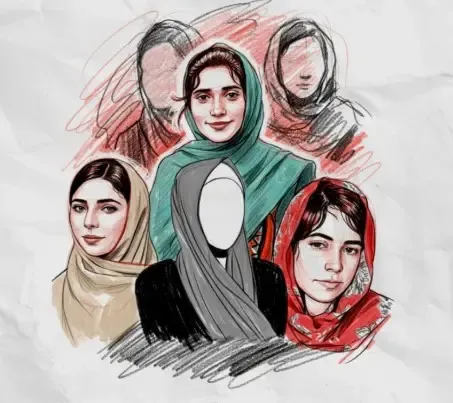
The rise in enforced disappearances of Baloch women by Pakistani forces raises urgent concerns about human rights violations. The Human Rights Council of Balochistan documents alarming trends that reflect systemic oppression and a shift in targeting women, emphasizing the need for accountability and justice.
Key Takeaways
Enforced disappearances of Baloch women are on the rise.
The Human Rights Council of Balochistan has documented alarming cases.
Targeting women reflects a shift in state repression.
Security agencies are involved in these violations.
There is a need for accountability and justice.
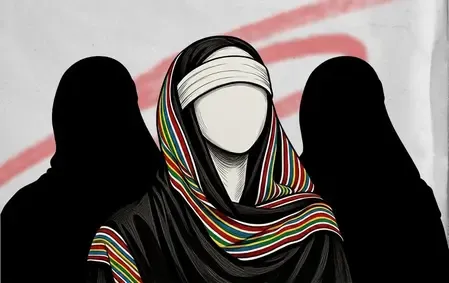
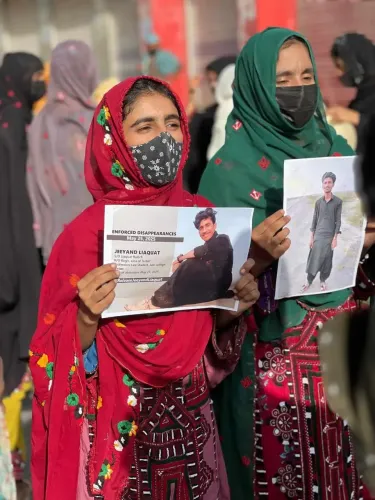
Quetta, Dec 19 (NationPress) The Human Rights Council of Balochistan (HRCB) has raised serious alarms regarding a troubling increase in the enforced disappearance of Baloch women due to actions by Pakistani forces throughout Balochistan.
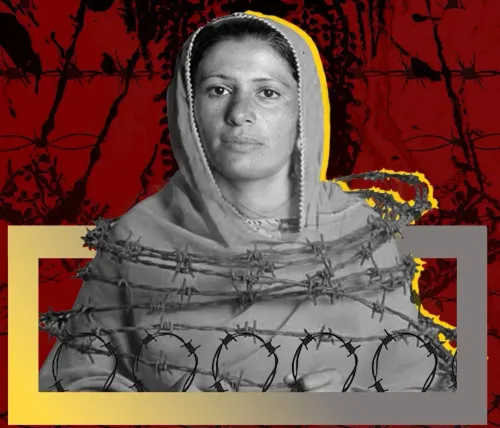
The rights organization claims that the abduction of women by these forces has increasingly become a routine tool of oppression in the region. In 2025 alone, the HRCB documented nine cases of enforced disappearance involving Baloch women.
“These cases illustrate a worrying trend of collective punishment and the gradual dismantling of legal safeguards. Women from various sectors, including students, healthcare professionals, homemakers, and human rights advocates, have been taken during nighttime raids and covert operations. Multiple victims have faced repeated disappearances and torture, with at least one incident leading to custodial death,” the report noted.
The rights organization highlighted the participation of Pakistan’s security apparatus, including the Counter Terrorism Department (CTD), Frontier Corps (FC), and Military Intelligence (MI), which emphasizes the institutional nature of these abuses.
This increase in incidents, the HRCB stated, occurs within a broader context of widespread enforced disappearances of Baloch men, a situation that has continued for the past twenty years.
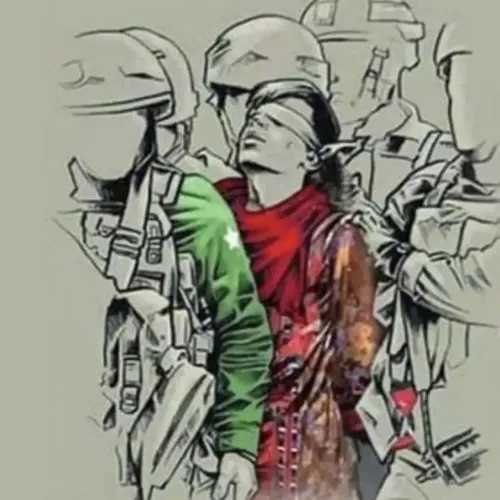
Thousands of Baloch men, ranging from children to the elderly, have experienced enforced disappearance or extrajudicial killings under the so-called “kill and dump” policy.
“Historically, enforced disappearances in Balochistan have primarily targeted men, leaving women to shoulder the social, economic, and psychological repercussions within their households and communities. However, in 2025, women have increasingly become direct victims, representing a significant change in the pattern of state oppression,” the HRCB emphasized.
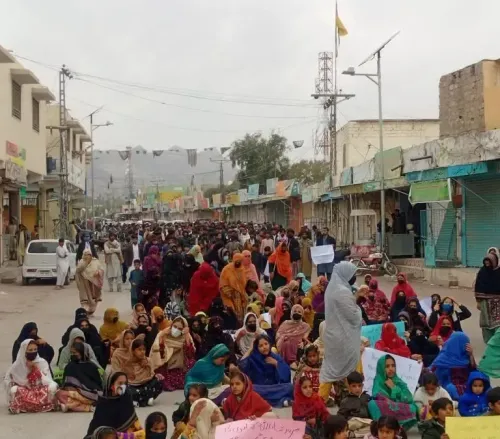
“As women took on public roles as providers and active participants in peaceful protests and advocacy for rights, their visibility has made them vulnerable to retaliation. The tactic of enforced disappearance has now extended to women as a strategic method of punishment and intimidation, aimed at stifling dissent and silencing other women, thus exacerbating collective suffering in a region already ravaged by mass disappearances,” it further underscored.
The HRCB asserted that targeting women is neither incidental nor isolated; rather, it is a calculated move to undermine women-led resistance by silencing activists and pressuring their families and communities throughout Balochistan.
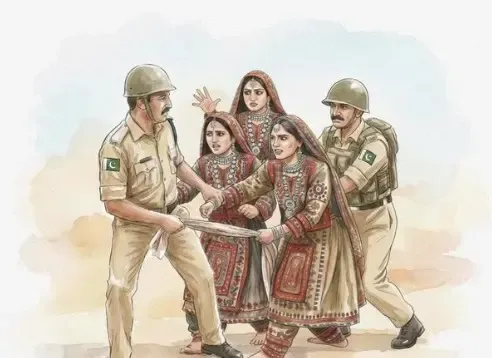
“Raids are conducted openly, families are coerced into silence, and effective legal recourse remains largely out of reach. The ongoing lack of accountability has allowed these practices to become ingrained in standard security operations, converting the enforced disappearance of women from a rare violation into a normalized instrument of state control,” the rights body stated.
Point of View
It is crucial to recognize the gravity of the situation in Balochistan. The enforced disappearance of women represents a significant escalation in the violation of human rights, and it is imperative that we advocate for justice, accountability, and the protection of vulnerable populations. Reporting on these issues is essential to raise awareness and promote change.
NationPress
5 Oct 2026
Frequently Asked Questions
What is the Human Rights Council of Balochistan (HRCB)?
The HRCB is an organization dedicated to advocating for human rights and addressing violations in the Balochistan region.
Why are Baloch women being targeted?
Baloch women are increasingly targeted as a means of state repression and intimidation, reflecting a broader pattern of enforced disappearances in the region.
What are the implications of enforced disappearances?
Enforced disappearances can lead to severe psychological, social, and economic consequences for families and communities, perpetuating a cycle of trauma.
What measures can be taken to address these issues?
Advocacy for legal accountability, increased awareness, and international intervention are critical steps toward addressing the crisis of enforced disappearances.
What is the broader context of human rights in Balochistan?
Balochistan has faced a long history of human rights abuses, including mass enforced disappearances of men and now increasingly of women, highlighting systemic issues of oppression.