Sudan drone strikes kill 4, damage UN building in Khartoum
Synopsis
Drone strikes killed four civilians and damaged a UN building in Sudan's capital area while staff were inside, according to local sources cited by the UN. Aid agencies also report displacement in West Kordofan, rising food costs and a humanitarian appeal that is only 51% funded.
Key Takeaways
Drone strikes killed four civilians in the Khartoum area on Sunday, OCHA said, citing local sources.
A UN building was damaged while staff were inside, but none was harmed, OCHA said.
Local groups said a 10-year-old boy was killed in Jabal Awliya , while three people died in northern Omdurman .
More than 6,400 people reportedly fled Abu Galib village in West Kordofan , according to the International Organization for Migration.
The WFP's Local Food Basket cost rose 24% in October from September .
OCHA said the humanitarian appeal for Sudan was 51% funded.
Sudan drone strikes killed four civilians and damaged a United Nations building in the Khartoum capital area on Sunday, according to local sources cited by the UN humanitarian office. The agency said on 24 November that insecurity, displacement and worsening hunger were adding to the pressures on humanitarian operations across Sudan.
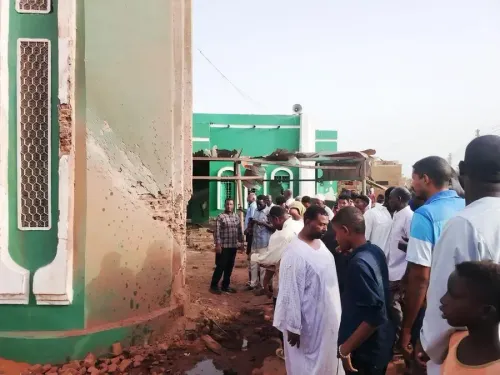
The UN Office for the Coordination of Humanitarian Affairs (OCHA) said strikes hit residential buildings in the Omdurman and Jebel Awlia localities, injuring several people as well as killing four. Staff were inside the damaged UN building, but none was harmed, the office said.
Deaths and damage in the capital area
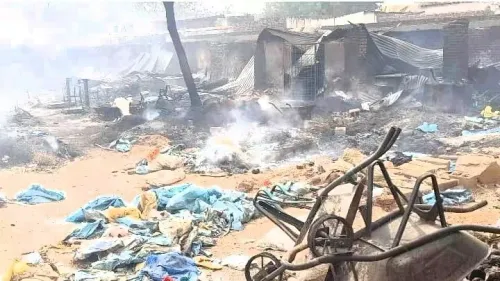
Local groups said a 10-year-old boy was killed when a drone struck a house in Jabal Awliya. They reported that three people were killed and around 10 injured after another drone crashed into a house in northern Omdurman.
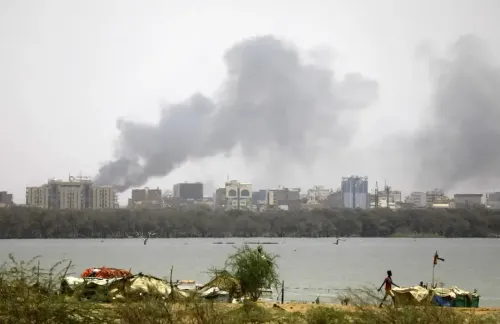
Eyewitnesses said they heard a series of explosions on Sunday and that drones targeting Khartoum International Airport were intercepted by air defence systems. Circulated video footage, which was not verified, showed a drone crashing in eastern Khartoum, with ground-based air defences audible in several parts of the capital.
The accounts from local groups and OCHA both describe four civilian deaths in the capital area. The source also reported attacks on 22 November, but did not clearly establish how that date relates to the Sunday strikes.
UN warning on humanitarian staff
Denise Brown, the UN resident and humanitarian coordinator in Sudan, said UN premises were damaged in attacks on a civilian residential neighbourhood while several staff members were inside.
In statements over the weekend, Brown called for the protection of humanitarian personnel and assets. She said international humanitarian law protects them and warned that continued drone attacks were causing civilian deaths and suffering.
Damage to a UN building while staff were present underscores the risks facing aid personnel alongside residents of affected neighbourhoods. OCHA did not report any injuries among the staff inside.
Displacement and rising food costs
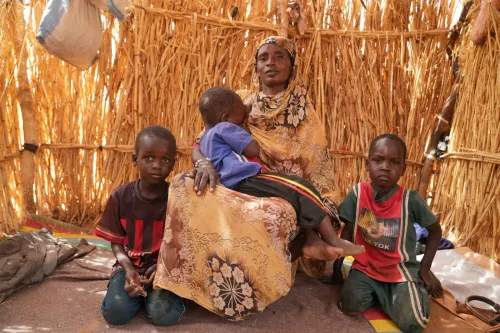
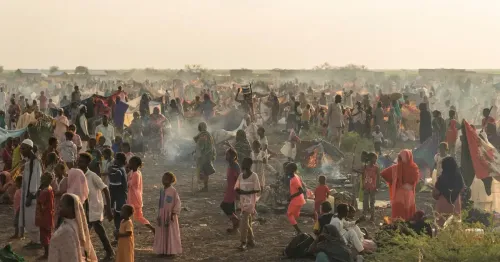
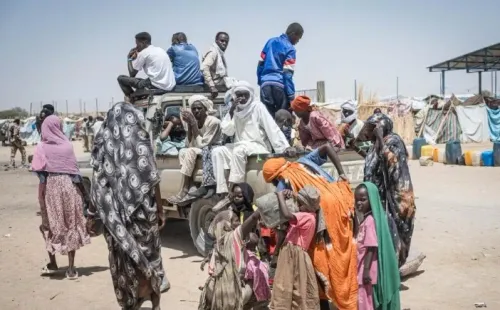
The International Organization for Migration said insecurity in Kordofan continued to force people from their homes. In West Kordofan, more than 6,400 people reportedly fled Abu Galib village in the Abu Zabad area over the weekend.
The World Food Programme (WFP) said food insecurity was deepening across Sudan amid soaring prices and poor rainfall. The cost of its Local Food Basket rose 24% in October compared with September.
The reported displacement adds to the humanitarian needs identified by UN agencies, while higher food costs place further pressure on households. The source did not specify the number of people affected by food insecurity.
Funding appeal for Sudan
OCHA said the humanitarian appeal for Sudan was only 51% funded and urged donors to increase support for life-saving assistance. The appeal comes as agencies report needs across the capital area and Kordofan.
Further donor funding and the safety of humanitarian staff will remain central to the response as agencies seek to reach people affected by displacement, insecurity and rising food costs.
Point of View
A humanitarian appeal that is only 51% funded leaves a substantial gap as displacement and food costs rise. Donors and parties to the conflict face distinct responsibilities: fund the response and protect civilians and humanitarian personnel.
NationPress
24 Nov 2026
Frequently Asked Questions
What happened in the Sudan drone strikes?
Drone strikes killed four civilians and damaged a UN building in the Khartoum capital area on Sunday, according to local sources cited by OCHA. Several people were injured, but no UN staff inside the building were harmed.
Where were civilians killed in the Khartoum area?
Local groups reported one death in Jabal Awliya and three in northern Omdurman. They said the person killed in Jabal Awliya was a 10-year-old boy.
How many people fled Abu Galib in West Kordofan?
More than 6,400 people reportedly fled Abu Galib village over the weekend, according to the International Organization for Migration. The village is in the Abu Zabad area of West Kordofan.
Why are aid agencies concerned about food in Sudan?
The World Food Programme says food insecurity is deepening amid soaring prices and poor rainfall. Its Local Food Basket cost rose 24% in October compared with September.
What happens next with Sudan's humanitarian appeal?
The UN has urged donors to increase funding for life-saving assistance in Sudan. OCHA said the humanitarian appeal was 51% funded.