Did the US Supreme Court Stop Trump's National Guard Move to Illinois?
Synopsis
In a pivotal decision, the US Supreme Court has blocked President Trump's effort to send the National Guard to Illinois, citing a lack of legal authority. This ruling marks a significant setback for the administration, with reactions from both the White House and Illinois officials highlighting the political implications of the court's action.
Key Takeaways
The US Supreme Court voted 6-3 against deploying the National Guard to Illinois.
The decision was based on a lack of legal authority for such military action.
Illinois state officials opposed the deployment, claiming it was unnecessary.
The ruling reflects ongoing tensions between state and federal authority.
This decision could have broader implications for future federal actions in states.
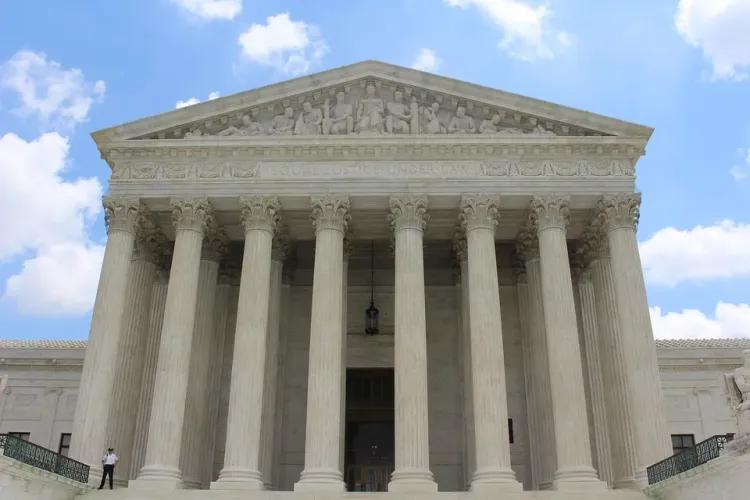
Washington, Dec 24 (NationPress) The US Supreme Court has thwarted President Donald Trump's initiative to deploy the National Guard to Illinois, marking a significant hurdle for the administration.
In a decisive 6-3 vote, the court rejected the request from Trump's administration, as reported by the Xinhua news agency.
The ruling stated, "At this preliminary stage, the government has not demonstrated a legal basis for the military to enforce laws in Illinois," according to an order that was made available on the court's website.
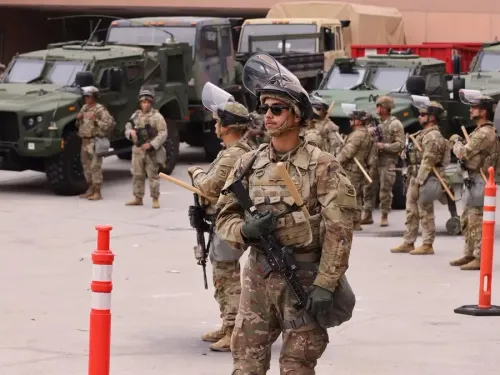
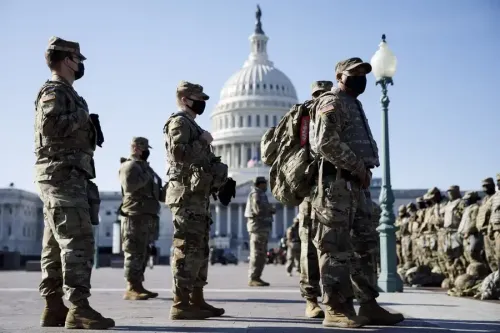
This issue traces back to October 4, when Trump activated 300 members of the Illinois National Guard for federal service, focusing on areas around Chicago. The next day, members of the Texas National Guard were also federalized and directed to Chicago, as noted by the court.
On October 9, a temporary restraining order was issued by the US District Court for the Northern District of Illinois, which prohibited the federalization and deployment of the National Guard in the state.
This decision was reaffirmed on October 16 by the US Court of Appeals for the Seventh Circuit, permitting the federalization of the National Guard but not the deployment of its personnel.
Subsequently, the Trump administration took the matter to the Supreme Court.
In response to the ruling, White House spokesperson Abigail Jackson stated that the president “activated the National Guard to safeguard federal law enforcement officers and to prevent rioters from damaging federal buildings and property.”
JB Pritzker, the Democratic governor of Illinois, who opposed the deployment along with the Democratic mayor of Chicago, welcomed the ruling, deeming it a “major victory for Illinois and American democracy.”
Point of View
I see this ruling by the Supreme Court as a reflection of the ongoing checks and balances that define our democracy. It underscores the judiciary's role in ensuring that executive actions align with legal frameworks. The implications of this decision extend beyond Illinois, resonating throughout the nation as we navigate the intersection of law and governance.
NationPress
1 Oct 2026
Frequently Asked Questions
What was the Supreme Court's decision regarding the National Guard in Illinois?
The US Supreme Court blocked President Trump's attempt to deploy the National Guard to Illinois, citing a lack of legal authority.
What prompted the National Guard's activation in Illinois?
President Trump activated the National Guard to assist federal law enforcement and protect federal properties amid civil unrest.
What was the reaction from Illinois officials?
Governor JB Pritzker welcomed the Supreme Court's ruling, viewing it as a victory for state rights and democracy.