Is Trump Really Pulling the National Guard from Chicago, Los Angeles, and Portland?
Synopsis
In a controversial move, President Trump announced the withdrawal of the National Guard from major cities. This decision follows a Supreme Court ruling against his administration. What does this mean for crime rates in these regions and the political landscape ahead? Explore the implications of this announcement and what might come next.
Key Takeaways
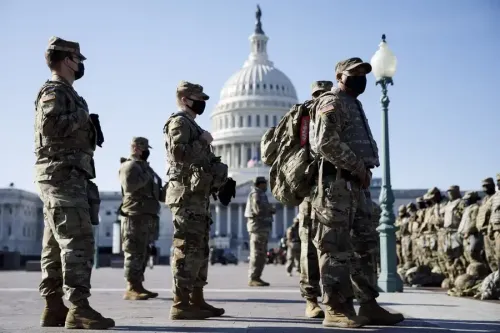
Trump is withdrawing the National Guard from Chicago, Los Angeles, and Portland.
Supreme Court ruling has impacted this decision.
Crime rates have reportedly decreased with the National Guard's presence.
Political tensions are rising as local leaders challenge Trump's motives.
Future deployments may occur if crime rates escalate.
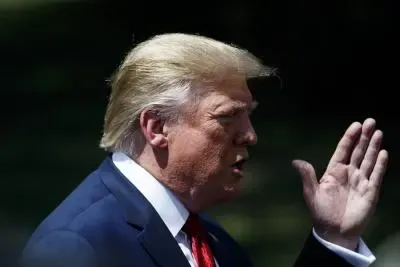
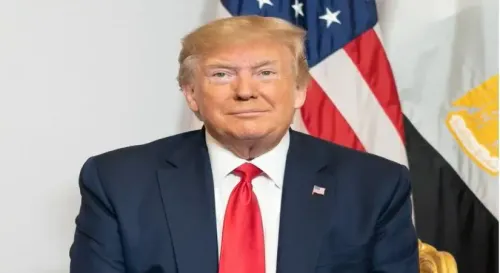
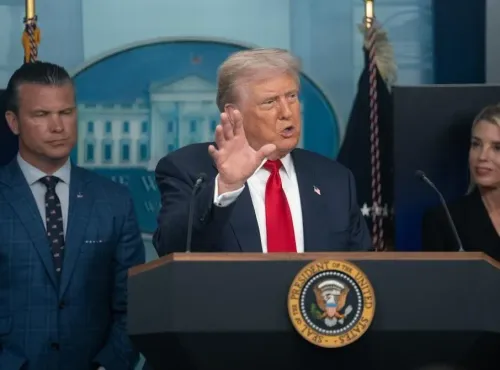
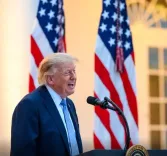
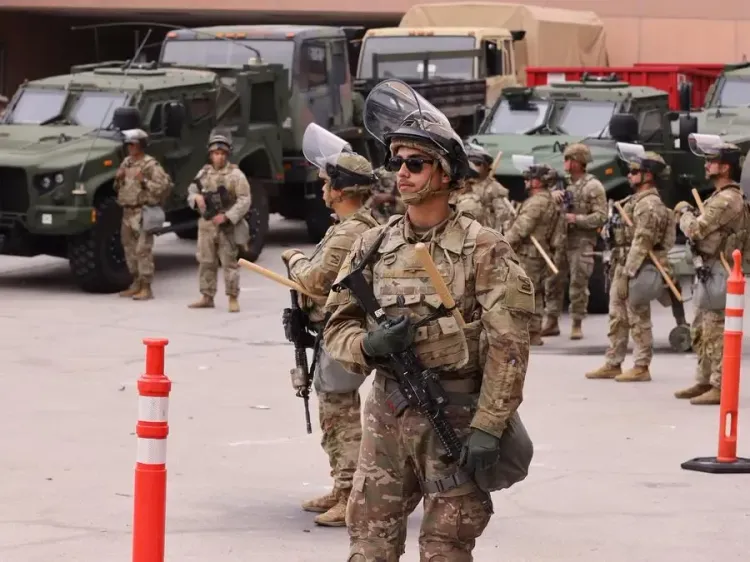
Washington, Jan 1 (NationPress) - US President Donald Trump has declared that his administration will withdraw the National Guard from Chicago, Los Angeles, and Portland, shortly after the US Supreme Court ruled against the administration. Trump stated, "We are pulling out the National Guard from these cities, even though their presence has significantly decreased crime. Without the Federal Government's intervention, these places would have faced dire situations." The announcement was made via his social media platform, Truth Social, on Wednesday.
He further added, "If crime rates rise again, we may return in a different and stronger capacity." Trump criticized the Democrat mayors and governors of these cities, labeling them as "grossly incompetent." This decision follows a recent Supreme Court ruling that blocked Trump's intentions to deploy the National Guard in Chicago to safeguard agents from the US Immigration and Customs Enforcement, according to reports from Xinhua.
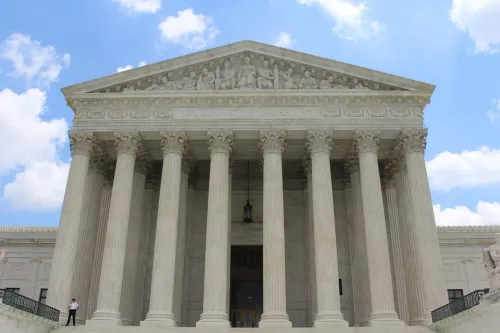
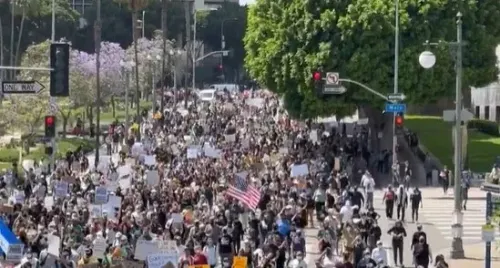
Trump has maintained that the National Guard's presence is crucial in these Democrat-led areas due to escalating crime rates, while Democrats have raised concerns regarding the political motivations behind such actions. The Supreme Court rejected the Trump administration's request with a 6-3 vote, stating, "At this preliminary stage, the government has failed to identify a source of authority that would permit the military to enforce laws in Illinois."
The controversy began on October 4, when Trump activated 300 members of the Illinois National Guard for federal service specifically in and around Chicago. The following day, members of the Texas National Guard were similarly activated. On October 9, the US District Court for the Northern District of Illinois issued a temporary restraining order against the federalization and deployment of the National Guard in Illinois. This decision was upheld on October 16 by the US Court of Appeals for the Seventh Circuit, which allowed federalization but not deployment. The Trump administration subsequently appealed to the Supreme Court.
Point of View
The withdrawal of the National Guard raises questions regarding public safety and political motivations. While some argue that the presence of the National Guard has effectively reduced crime, critics highlight the potential for political maneuvering. It's essential to consider the broader implications for governance and community safety in these cities.
NationPress
20 Sept 2026
Frequently Asked Questions
Why is Trump pulling the National Guard?
Trump claims that despite the reduction in crime, the National Guard is being withdrawn due to a Supreme Court ruling against his administration's plans.
What did the Supreme Court decide?
The Supreme Court blocked Trump's request to deploy the National Guard in Chicago to protect ICE agents, citing a lack of authority.
How did local leaders respond?
Democrats have criticized the move, questioning Trump's motivations and expressing concerns about rising crime rates.