Syria-Israel talks in Jordan: US-brokered de-escalation bid on 24 August
Synopsis
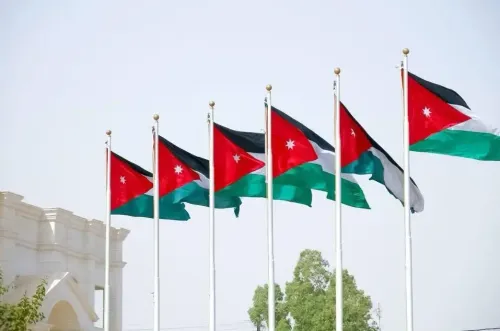
Syria and Israel sat down in Jordan under US mediation on 24 August — one of the most direct high-level contacts between the two sides in years. Damascus came with firm red lines: sovereign army-building rights, no restrictions on alliances, and Israeli withdrawal to pre-8 December 2024 positions. No deal was struck, but the meeting itself signals that both sides are willing to talk even as Israeli strikes on Syrian soil continue.
Key Takeaways
Syria and Israel held US-mediated talks in Jordan on 24 August 2025 .
Syrian foreign affairs chief Asaad al-Shaibani led the Damascus delegation, which also included heads of general and military intelligence.
Talks focused on halting Israeli strikes and reviving negotiations toward a security agreement.
Damascus demanded Israeli withdrawal to positions held before 8 December 2024 and full implementation of the 1974 Disengagement Agreement .
Syria rejected any arrangements limiting its right to rebuild its national army or choose its own alliances.
The meeting followed an Israeli strike on Abu al-Duhur military airport in northwestern Syria, which Israel justified by claiming Damascus was set to host Turkish forces there — a claim denied by both Syria and Türkiye.
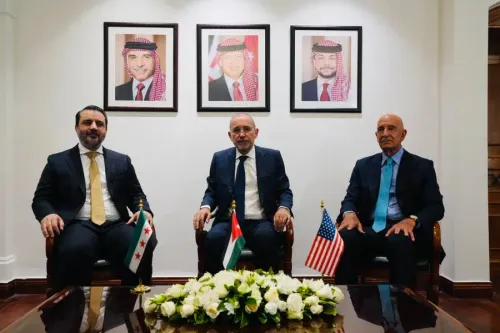
Senior delegations from Syria and Israel convened in Jordan on 24 August 2025 for US-mediated talks aimed at de-escalation and reviving negotiations toward a security agreement, Syria's state news agency SANA reported, citing a diplomatic source. The meeting marks one of the most direct high-level engagements between Damascus and Tel Aviv in recent years amid sharply elevated tensions in southern Syria.
Who Was at the Table
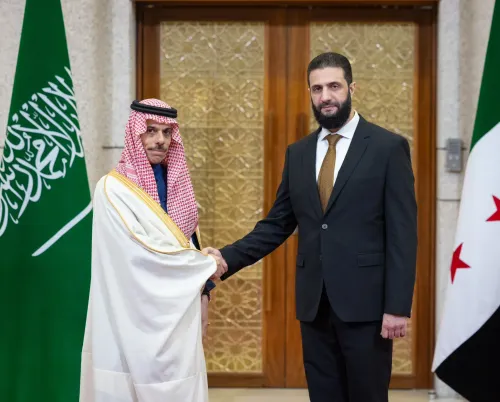
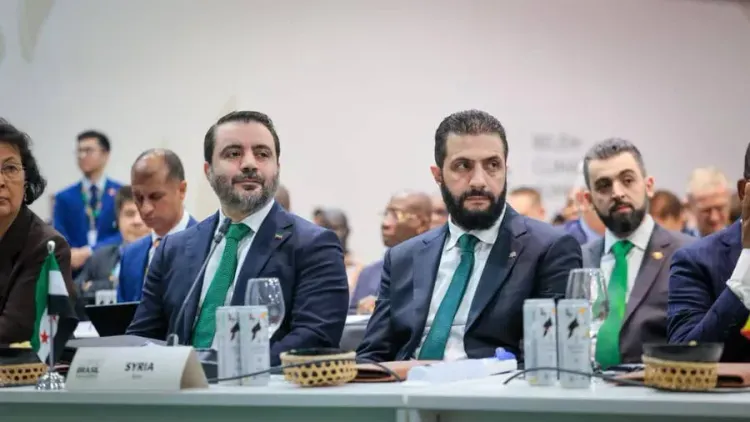
The Syrian delegation was led by foreign affairs chief Asaad al-Shaibani and included the heads of both general and military intelligence services. Israel was represented by a senior delegation, though its composition was not specified by the diplomatic source. The United States facilitated the Jordan-hosted meeting, underlining Washington's continued stake in regional stability.
What the Talks Covered
Discussions centred on establishing practical mechanisms to halt Israeli strikes, arrests, and targeting operations inside Syrian territory, according to the diplomatic source. The two sides also explored pathways to resume negotiations with the goal of reaching a security agreement — one that could, in time, serve as the foundation for a broader accord. The meeting additionally addressed efforts to narrow differences between Türkiye and Israel and prevent bilateral tensions between the two regional powers from spilling further onto Syrian soil.
Syria's Red Lines
The Syrian delegation was unequivocal on several points. Damascus stressed that Syria is a sovereign state with the right to rebuild its national army, determine its own alliances, and chart its partnerships in accordance with national interests. It stated it would not accept any arrangements that curtail those sovereign rights. Syria also reiterated its longstanding position that the Israeli-occupied Golan Heights is Syrian territory, while acknowledging that resolving its final status remains premature at this stage.
Damascus laid out immediate priorities: the withdrawal of Israeli forces to positions held before 8 December 2024, and the full restoration and implementation of the 1974 Disengagement Agreement.
The Trigger: Abu al-Duhur Strike
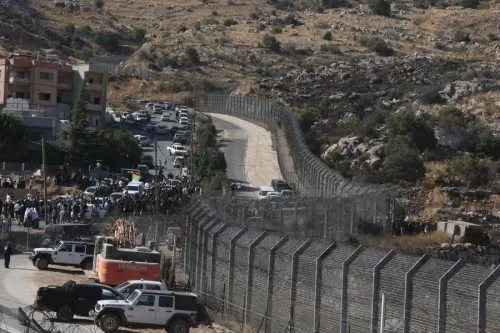
The Jordan talks were convened against the backdrop of an Israeli strike on the Abu al-Duhur military airport in northwestern Syria on Tuesday. Israel said it acted because Damascus was preparing to allow Turkish forces to deploy at the facility — a claim denied by both Syria and Türkiye. The strike was among a series of Israeli operations on Syrian territory that have fuelled the current escalation cycle.
What Comes Next
No agreement was announced following the Sunday meeting. The diplomatic source described the session as focused on 'practical steps to reduce tensions' and 'exploring ways to return to negotiations' — language that suggests an early-stage process rather than a breakthrough. Whether the talks produce a durable mechanism will depend on Israel's willingness to halt operations and Syria's ability to manage competing pressures from Ankara and Tel Aviv on its territory.
Point of View
And Türkiye's expanding footprint adds a third vector that neither side has resolved. Syria's insistence on the 1974 Disengagement Agreement as the baseline is a maximalist opening position that Israel has historically resisted. Until there is clarity on the Turkey-Israel dynamic and a verifiable halt to Israeli operations, any security framework will remain aspirational.
NationPress
8 Oct 2026
Frequently Asked Questions
What were the Syria-Israel talks in Jordan about?
The talks, held on 24 August 2025 and mediated by the United States, focused on de-escalation and reviving negotiations toward a security agreement between Syria and Israel. Discussions included practical mechanisms to halt Israeli strikes on Syrian territory and ways to manage the broader Türkiye-Israel rivalry playing out on Syrian soil.
Who led the Syrian delegation at the Jordan talks?
Syrian foreign affairs chief Asaad al-Shaibani headed the delegation, which also included the heads of Syria's general and military intelligence services. Israel was represented by a senior delegation whose composition was not publicly detailed.
What are Syria's key demands from Israel?
Damascus is demanding that Israeli forces withdraw to positions held before 8 December 2024 and that the 1974 Disengagement Agreement be fully restored and implemented. Syria also insists on its right to rebuild its national army and determine its own alliances without external restrictions.
Why did Israel strike Abu al-Duhur airport in Syria?
Israel struck the Abu al-Duhur military airport in northwestern Syria on the Tuesday preceding the talks, stating that Damascus was preparing to allow Turkish forces to deploy there. Both Syria and Türkiye denied the claim. The strike was part of a broader pattern of Israeli operations on Syrian territory that has driven the current escalation.
Did the Jordan talks produce any agreement?
No agreement was announced. The diplomatic source described the session as focused on practical steps to reduce tensions and exploring a return to negotiations, indicating the process is at an early stage rather than near a formal deal.