Takaichi's India visit: Strategic Indo-Pacific move, not routine diplomacy
Synopsis
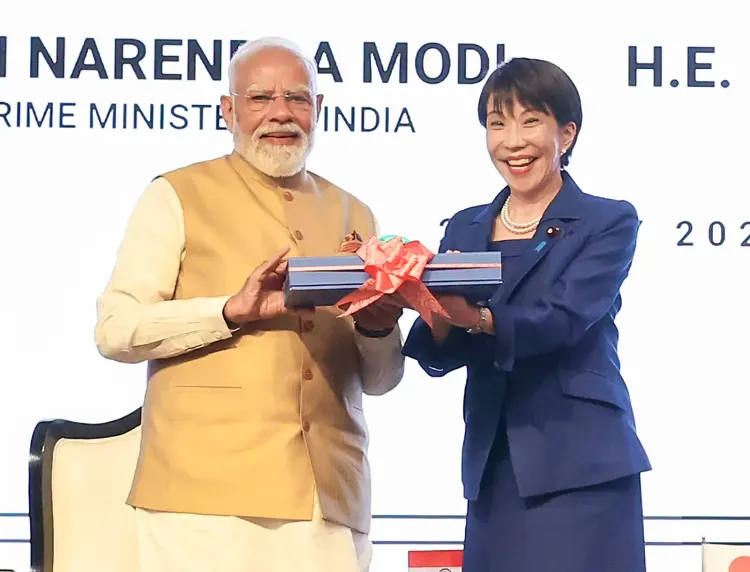
Japan PM Sanae Takaichi's India visit is being read as a recalibration — Tokyo no longer sees New Delhi as a ceremonial partner but as a strategic and economic anchor in Asia. With Indo-Pacific security, tech competition, and supply-chain resilience all on the table, this summit signals that Japan-India ties are entering a more structured, outcome-driven phase.
Key Takeaways
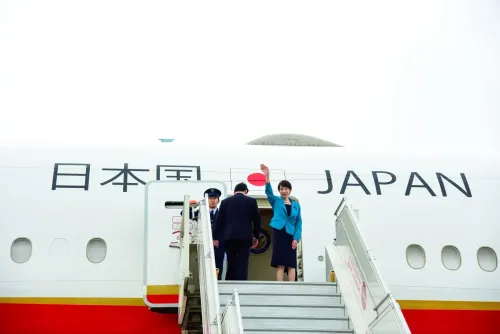
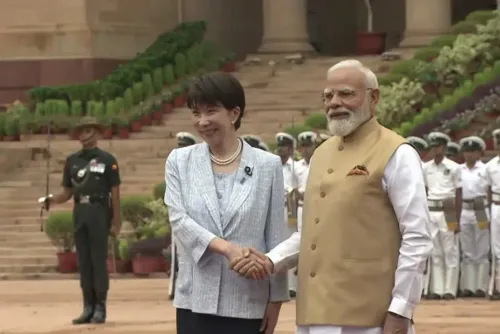
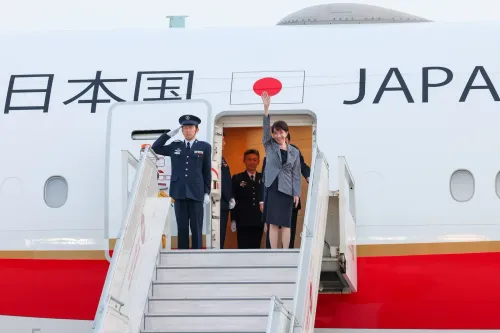
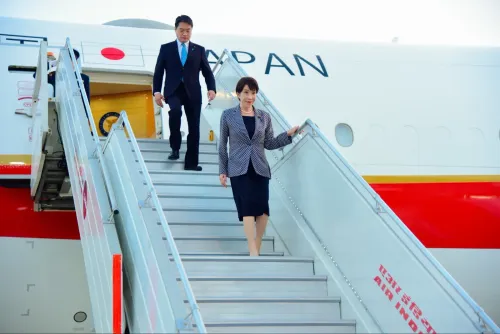
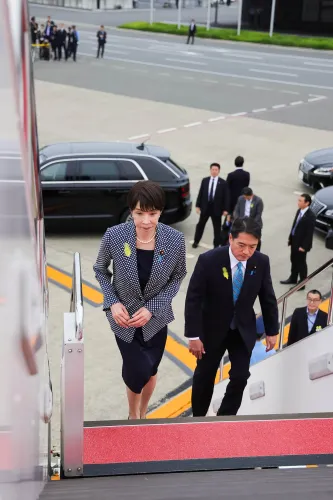
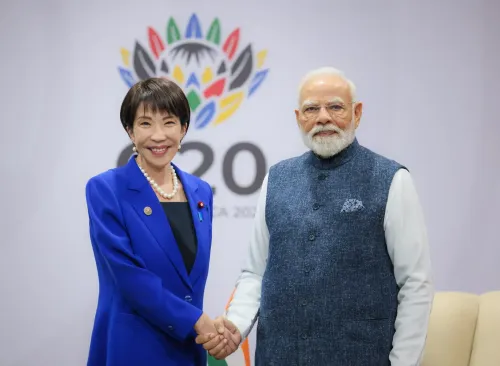
Japan PM Sanae Takaichi visited India on 2 July , with the engagement described as a carefully timed strategic move, not routine diplomacy.
The visit signals Japan's shift in viewing India — from a ceremonial partner to a strategic and economic anchor in Asia .
Both nations aim to build resilience against overdependence, preserve regional openness, and maintain a stable Indo-Pacific balance.
The partnership is increasingly shaped by shared concerns over security, economic uncertainty, and technological competition .
Analysts say the visit matters because both countries are moving beyond general alignment toward structured, outcome-oriented cooperation .
Japanese Prime Minister Sanae Takaichi's visit to India marks a decisive shift from symbolic bilateral friendship to an operational strategic partnership, according to an analysis published on Thursday, 2 July. The visit, analysts argue, is timed to reflect the urgency both Tokyo and New Delhi feel in consolidating their positions within a rapidly evolving Indo-Pacific order.
Why the Timing Matters
'Sanae Takaichi's visit to India should be seen as a carefully timed strategic move rather than a routine diplomatic engagement,' the India Narrative report noted. It comes at a moment when security concerns, economic uncertainty, and technological competition across the Indo-Pacific are becoming increasingly intertwined, making high-level engagement between the two democracies more consequential than ever.
From Ceremonial Partnership to Strategic Anchor
The central objective of the visit, according to the report, is to deepen the Japan-India partnership across strategic and economic dimensions. The relationship is now being shaped by shared imperatives around resilience, regional influence, and power projection. 'Tokyo is looking for a relationship that can help it manage global uncertainty while also creating new opportunities for investment and industrial cooperation,' the report stated. It added that Japan now views India 'less as a ceremonial partner and more as a strategic and economic anchor in Asia' — a significant recalibration in tone and intent.
Shared Indo-Pacific Vision
Both nations share a stake in preventing overdependence on any single power, preserving regional openness, and maintaining a stable balance of influence. This convergence, analysts note, means the cooperation is not merely bilateral — it is about the kind of regional order Japan and India collectively envision. 'Japan's engagement with India signals its desire to work more closely with major democratic partners in shaping the Indo-Pacific,' the report observed. For India, the visit brings growing recognition as a major strategic and economic partner whose regional weight is steadily rising.
What the Visit Signals Beyond Bilateral Ties
The summit is being read as part of the wider architecture of Indo-Pacific politics, with both countries moving beyond general alignment toward structured, outcome-oriented cooperation. 'The visit matters because it shows that both countries are no longer content with general alignment,' the report emphasised. Notably, this engagement comes as both nations navigate a global environment marked by supply-chain realignments, shifting security alliances, and intensifying competition in critical technologies.
What Comes Next
With the groundwork laid for a more results-driven partnership, observers will watch for concrete deliverables — whether in defence technology, semiconductor supply chains, or infrastructure investment — that can translate the strategic intent of Takaichi's visit into measurable outcomes. The direction of the Japan-India relationship in the coming months will be a key indicator of how both countries intend to shape the Indo-Pacific's emerging order.
Point of View
But both countries face domestic constraints: Japan on defence spending norms, India on its non-alignment instincts. Whether this visit produces binding frameworks or remains a well-timed signal ahead of broader Quad and G7 dynamics is the question mainstream coverage is not pressing hard enough.
NationPress
1 Oct 2026
Frequently Asked Questions
Why is Japan PM Takaichi's India visit considered a strategic move?
The visit is considered a strategic move because it comes at a moment when both Japan and India are actively working to strengthen their positions in the Indo-Pacific amid rising security concerns, economic uncertainty, and technological competition. Analysts note it reflects a shift from symbolic friendship to a more operational and outcome-driven partnership.
What are the main goals of the Japan-India partnership discussed during the visit?
The primary goals include deepening cooperation across strategic and economic lines, building resilience against overdependence, preserving regional openness, and shaping a stable Indo-Pacific order. Japan is also seeking new avenues for investment and industrial cooperation with India.
How does Japan now view India as a partner?
According to the India Narrative report, Japan now views India less as a ceremonial partner and more as a strategic and economic anchor in Asia — a significant shift in tone that underscores India's growing regional importance.
What does the visit mean for the broader Indo-Pacific region?
The visit is seen as part of the wider architecture of Indo-Pacific politics. Both countries share an interest in preventing overdependence on any single power and maintaining a stable regional balance, making their cooperation relevant beyond just the bilateral level.
What should observers watch for after Takaichi's India visit?
Observers will track whether the visit produces concrete deliverables in areas such as defence technology, semiconductor supply chains, or infrastructure investment, which would translate the stated strategic intent into measurable outcomes for the Japan-India relationship.