Japanese PM Takaichi departs India after 16th India-Japan Summit
Synopsis
Japanese PM Sanae Takaichi's first India visit since taking office ended with three landmark bilateral documents — on economic security, AI cooperation, and energy resilience — and a personal dinner with PM Modi that both leaders said deepened mutual trust. With the 75th anniversary of India-Japan diplomatic ties approaching, the summit signals a deliberate upgrade of one of Asia's most strategically significant partnerships.
Key Takeaways
Japanese Prime Minister Sanae Takaichi completed a three-day visit to India from 1–3 July 2025 — her first since assuming office.
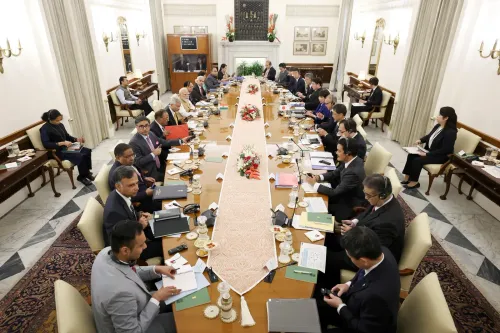
The 16th India-Japan Annual Summit was held at Hyderabad House, New Delhi , with PM Narendra Modi and PM Takaichi attending.
Both sides adopted three landmark documents : a Joint Declaration on Economic Security, a Joint Statement on AI Cooperation, and a Joint Statement on Energy Resilience.
MoUs were exchanged covering economic security, clean energy, critical technologies , and research and development.
Both leaders addressed the India-Japan Joint Economic Forum , focusing on investment, supply chains, and 'Make in India for the World.' Both sides agreed on activities to celebrate the 75th anniversary of India-Japan diplomatic relations, due next year.
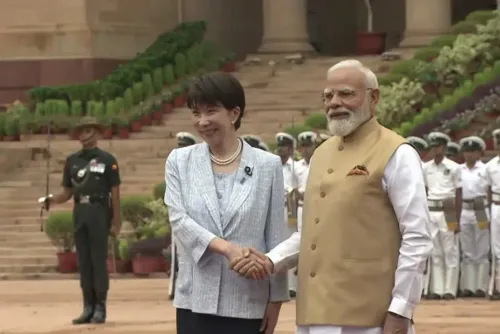
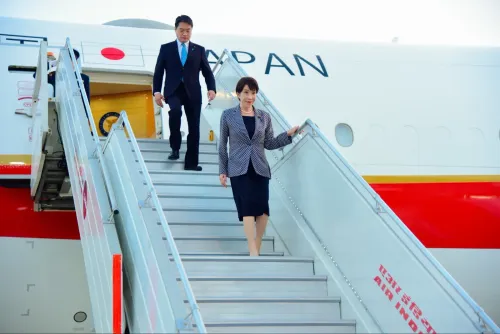
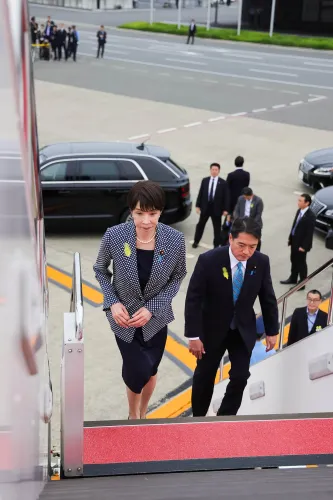
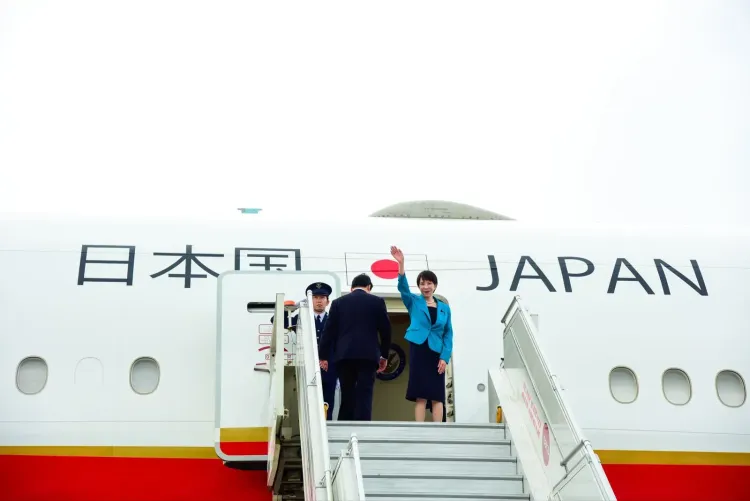
Japanese Prime Minister Sanae Takaichi departed from New Delhi on 3 July 2025 after concluding a three-day state visit to India, capping a trip that produced three landmark bilateral documents and reinforced what both sides described as a pivotal partnership for the Indo-Pacific. Union Minister of State for Science and Technology Jitendra Singh saw her off at the airport.
A Milestone Summit at Hyderabad House
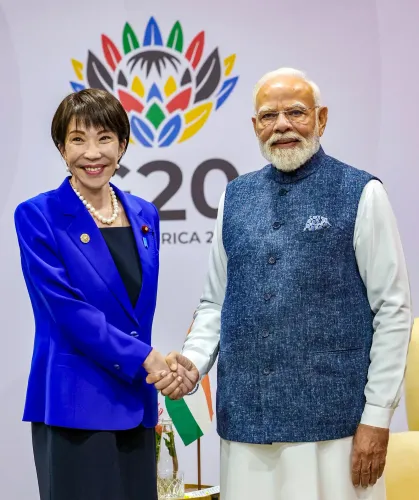
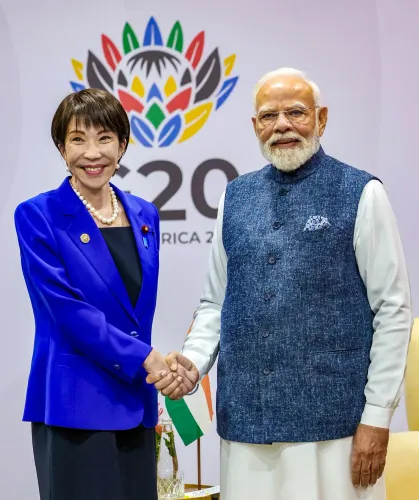
The centrepiece of the visit was the 16th India-Japan Annual Summit, held at Hyderabad House in New Delhi on 3 July, where Prime Minister Narendra Modi and PM Takaichi held wide-ranging talks covering trade and investment, economic security, energy, emerging technologies, defence, and people-to-people exchanges. Both leaders also addressed regional and global developments of mutual interest, according to a statement from the Ministry of External Affairs (MEA).
Following the summit, the two leaders witnessed the exchange of key Memoranda of Understanding (MoUs) and agreements across economic security, clean energy, critical technologies, and research and development.
Three Landmark Documents Adopted
MEA spokesperson Randhir Jaiswal confirmed that both sides adopted three landmark documents at the summit: a Joint Declaration on Economic Security, a Joint Statement on Cooperation in the Field of Artificial Intelligence, and a Joint Statement on Energy Resilience. Jaiswal noted that 'the talks delivered concrete progress on key priorities of our bilateral ties.'
Both sides also agreed on a calendar of activities to mark the 75th anniversary of the establishment of diplomatic relations between India and Japan, which falls next year.
India-Japan Joint Economic Forum
PM Modi and PM Takaichi jointly addressed the India-Japan Joint Economic Forum, where discussions centred on expanding investment, strengthening resilient supply chains, and advancing manufacturing partnerships under the objective of 'Make in India for the World.' Both sides reaffirmed the role of industry in advancing the Special Strategic and Global Partnership and deepening cooperation in critical and emerging technologies.
A Personal Dimension to the Partnership
PM Modi hosted a dinner for PM Takaichi on the evening of 2 July, which Takaichi described as an opportunity to deepen personal trust. In a post on X, she stated: 'In a relaxed atmosphere distinct from our formal talks, Prime Minister Modi and I candidly discussed not only Japan-India relations and the international situation, but also the cultures and cuisines of our two countries, as well as our personal sentiments toward each other's nations, allowing us to further deepen our mutual trust on a personal level.'
Takaichi added: 'I sincerely express my heartfelt gratitude for India's proud, rich culinary culture and Prime Minister Modi's warm hospitality. Building on the foundation of the trust we have cultivated with Prime Minister Modi, we will elevate Japan-India relations to even greater heights as we approach the 75th anniversary of the establishment of diplomatic relations next year.'
Significance and What Comes Next
This was PM Takaichi's first visit to India since assuming office, making the summit particularly significant as a signal of continuity in the India-Japan Special Strategic and Global Partnership. The visit reaffirmed both nations' commitment to peace, prosperity, and stability in the Indo-Pacific and beyond, according to MEA. With the 75th diplomatic anniversary approaching, both sides are expected to roll out a structured programme of commemorative engagements in the months ahead.
Point of View
AI, and energy resilience suggest both sides are moving from broad partnership rhetoric to sector-specific architecture. That Takaichi chose India as her first bilateral visit after assuming office is itself a signal, reinforcing Tokyo's view of New Delhi as a load-bearing pillar of its Indo-Pacific strategy. The 'Make in India for the World' framing at the Joint Economic Forum also points to a supply-chain diversification agenda that serves both nations' interests vis-à-vis China. The real test will be whether the MoUs signed translate into measurable investment flows and technology transfers before the 75th anniversary milestone next year.
NationPress
1 Oct 2026
Frequently Asked Questions
What was the outcome of the 16th India-Japan Annual Summit?
The summit produced three landmark documents — a Joint Declaration on Economic Security, a Joint Statement on AI Cooperation, and a Joint Statement on Energy Resilience — along with multiple MoUs on clean energy, critical technologies, and research and development. Both sides also agreed on a programme to mark the 75th anniversary of India-Japan diplomatic relations.
Why is Sanae Takaichi's India visit significant?
It was PM Takaichi's first visit to India since assuming office as Japan's Prime Minister, signalling continuity and an intent to elevate the India-Japan Special Strategic and Global Partnership. The visit produced concrete bilateral agreements rather than just a joint statement.
What is the India-Japan Special Strategic and Global Partnership?
It is the highest tier of diplomatic relationship between India and Japan, covering defence, economic, and technological cooperation. The partnership is considered a cornerstone of Indo-Pacific stability, and both nations have been deepening it through annual summits since 2006.
What was discussed at the India-Japan Joint Economic Forum?
The forum focused on expanding bilateral investment, strengthening resilient supply chains, and advancing manufacturing partnerships under the 'Make in India for the World' objective. Both sides also discussed deepening cooperation in critical and emerging technologies.
When is the 75th anniversary of India-Japan diplomatic relations?
The 75th anniversary falls in 2026. Both sides agreed during the July 2025 summit on a list of activities to celebrate the milestone, which is expected to include structured commemorative engagements across multiple sectors.