Sanae Takaichi Commemorates Yasukuni Shrine During Spring Festival
Synopsis
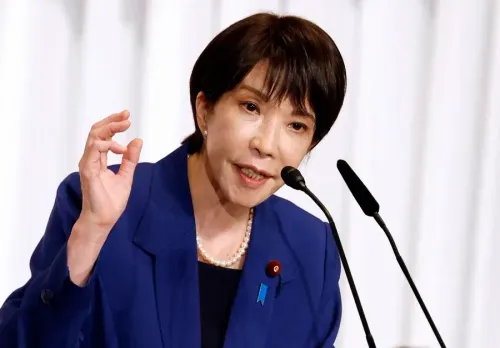
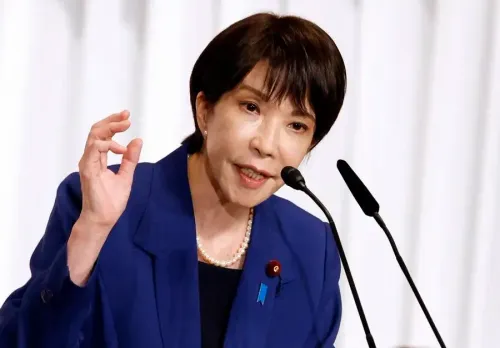
On April 21, Japanese Prime Minister Sanae Takaichi made a ritual offering at Yasukuni Shrine, a site often at the center of diplomatic tensions. This move could signal a shift in Japan's approach to its historical controversies.
Key Takeaways
Japanese Prime Minister Sanae Takaichi made a ritual offering at Yasukuni Shrine.
The shrine is a focal point of diplomatic tensions in East Asia.
Takaichi's actions may signify a potential shift in Japan's historical engagement.
Yasukuni Shrine honors 2.47 million individuals, including many from World War II.
The site has been criticized for its role in Japan's militaristic past.
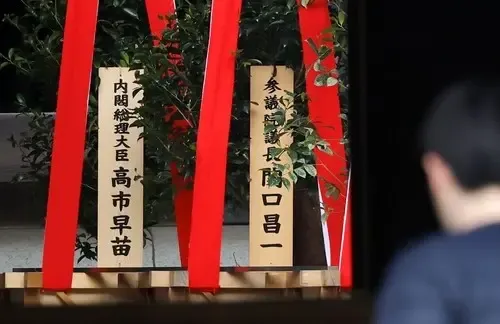
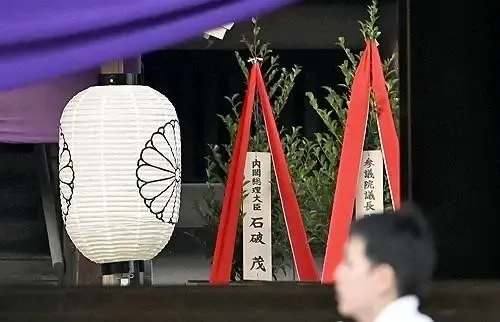
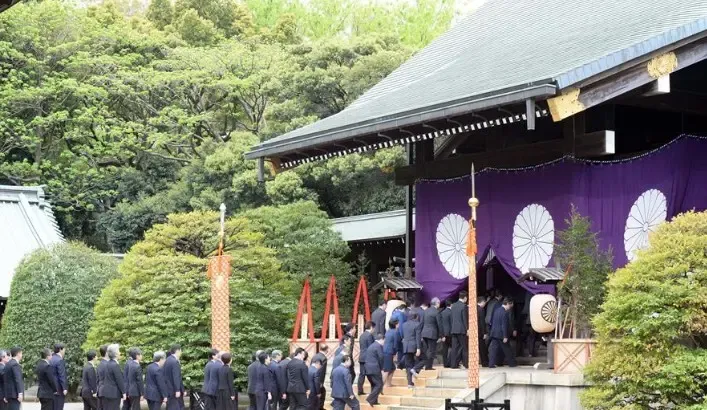
Tokyo, April 21 (NationPress) - On Tuesday, Japanese Prime Minister Sanae Takaichi made a ritual offering to the Yasukuni Shrine as part of its spring festival celebrations.
The prime minister presented a ceremonial "masakaki" tree to the shrine, marking the commencement of its three-day festivities.
Situated in the Chiyoda Ward of central Tokyo, Yasukuni Shrine has historically been a point of contention in Japan's diplomatic relations with neighboring countries, as reported by Xinhua.
Visits and ritual offerings by Japanese officials to this contentious shrine have often faced backlash domestically and internationally, particularly from the people of China, South Korea, and others, who perceive such actions as deeply provocative.
Any form of tribute or visit by Japanese officials tends to trigger immediate and strong condemnation. For instance, Shinzo Abe's visit in 2013 resulted in widespread criticism, including an unusual public expression of disappointment from the United States.
No current prime minister has visited the shrine since then, but Takaichi has hinted at the possibility of overturning this trend.
Following her recent triumph in the lower house elections, Takaichi indicated her intention to foster an environment that would allow her to pay respects at the shrine.
The Yasukuni Shrine was established under orders from Emperor Meiji during the upheaval of the Meiji Restoration to commemorate those who sacrificed their lives in the civil war that facilitated Japan's modernization and, regrettably, its militarist past.
During the late Meiji era, Japan instigated the First Sino-Japanese War, compelling China to relinquish Taiwan.
Initially named Shokonsha, dedicated to the spirits of the war dead, the shrine was later renamed Yasukuni, which translates to "preserving peace for the entire nation." Today, it presents itself as a "shrine of peace," honoring 2.47 million "divinities" claimed to have given their lives in service to their homeland—among them, 2.13 million who contributed to Japan's wartime aggression in World War II.
Yasukuni Shrine asserts that all individuals, regardless of rank, social status, or historical context, are honored equally and "worshipped as venerable divinities."
Point of View
It is crucial to recognize the historical context and the potential ramifications for Japan's international relations. The move reflects a complex interplay of national pride and regional sensitivities.
NationPress
19 Sept 2026
Frequently Asked Questions
What is Yasukuni Shrine?
Yasukuni Shrine, located in Tokyo, Japan, is a controversial shrine that honors those who died in service to Japan, including military personnel from various conflicts.
Why is Yasukuni Shrine controversial?
The shrine is seen as controversial because it enshrines individuals who participated in Japan's wartime aggression during World War II, causing tensions with neighboring countries.
What offering did Takaichi send to Yasukuni Shrine?
Prime Minister Sanae Takaichi sent a ritual 'masakaki' tree offering to Yasukuni Shrine during its spring festival.
What has been the reaction to visits by Japanese officials to Yasukuni Shrine?
Visits and offerings by Japanese officials to Yasukuni Shrine have often provoked strong criticism from both domestic and international audiences, particularly from China and South Korea.
When was the last time a sitting Japanese prime minister visited Yasukuni Shrine?
No sitting prime minister has visited Yasukuni Shrine since Shinzo Abe did so in 2013, which was met with significant backlash.