Trump claims credit for Nvidia CEO return as inquiry continues
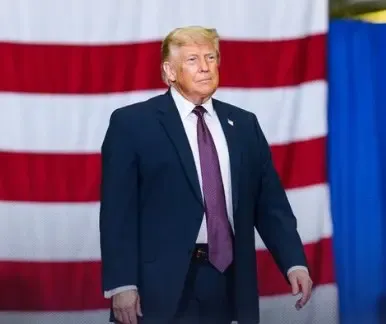
Synopsis
Donald Trump says he helped persuade Nvidia’s board to bring Jensen Huang back, but three Republican committee chairmen say their China-related inquiry remains open. Huang and Nvidia general counsel Tim Teter are scheduled for transcribed interviews on 1 and 2 December.
Key Takeaways
Donald Trump claimed he persuaded Nvidia ’s board to reinstate Jensen Huang .
Nvidia said its board unanimously restored Huang as president, chief executive and a director, effective immediately.
Republican chairmen Brian Mast , John Moolenaar and Rick Crawford said their inquiry would continue.
Jensen Huang and Tim Teter are scheduled for transcribed interviews on 1 December and 2 December , respectively.
Nvidia said its independent directors’ investigation, launched after reports of a foreign intelligence effort targeting Huang, would continue.
Trump discussed a possible government stake in Nvidia but announced no investment plan.
US President Donald Trump claimed credit for persuading Nvidia’s board to reinstate Jensen Huang, while three Republican congressional committee chairmen in Washington said their inquiry into the chipmaker’s dealings involving China would continue. The developments, reported on 24 November, leave both congressional and company investigations open despite Huang’s return to leadership.
Trump told CNBC that his administration had given the board assurances about the national security implications of Huang’s return. Nvidia separately said input from senior US government officials had given directors confidence that reinstatement posed no national security risk.
Trump describes role in Huang’s return
In the interview, Trump described discussions involving Vice President JD Vance and others, but did not identify everyone involved. Asked whether he had called directly into a board meeting, Trump said, “I was represented at the board.”
He later told the network he had spoken to the directors and convinced them to bring Huang back. Asked whether he had assured them that Huang would not face prosecution, Trump replied, “I didn’t use the word prosecuted,” and said he had provided sufficient reassurance.
Trump defended his intervention as serving the national interest. Asked where he would draw the line on involvement in corporate leadership, he said decisions would depend on individual circumstances rather than a fixed formula.
Congressional inquiry and scheduled interviews
Republican committee chairmen Brian Mast, John Moolenaar and Rick Crawford said the board’s decision did not end the questions they were examining. “The NVIDIA board’s brief internal investigation and reinstatement of Jensen Huang do not erase the national security threats and questions that must be addressed,” they said in a joint statement.
The lawmakers said they were seeking answers about suspected large-scale smuggling of Nvidia products, their diversion for Chinese military purposes and their contribution to China’s artificial intelligence capabilities. Those matters are subjects of the congressional inquiry; the chairmen’s statement did not establish them as findings.
Huang is scheduled for a transcribed interview on 1 December, followed by Nvidia General Counsel Tim Teter on 2 December, the chairmen said. The committees had announced the arrangements on 17 November, and their latest statement reaffirmed that both men had confirmed their attendance.
Mast chairs the House Foreign Affairs Committee, Moolenaar leads the Select Committee on China and Crawford heads the House Intelligence Committee. The transcribed interviews will formally record the participants’ answers.
Nvidia board’s decision and continuing review
Nvidia said its board voted unanimously to restore Huang as president, chief executive and a director, effective immediately. The company said discussions with Huang had satisfied directors about his candour and ability to lead.
The company also said an investigation by independent directors would continue. It launched that inquiry after reports that Huang had been targeted by a foreign intelligence effort; Nvidia said Huang supported the review and would cooperate.
Nvidia said it would continue cooperating with government investigations and inquiries. The board has established a committee overseeing national security and export-control risks, and the company is searching for a chief compliance officer.
Government stake discussion
Trump also expressed enthusiasm when asked about a government stake in Nvidia, while raising concerns about litigation and insider trading. He announced no investment plan.
For now, the company’s leadership decision and the separate inquiries remain distinct: Huang has returned to his roles, while the independent directors’ review and congressional scrutiny continue. The scheduled December interviews are the next announced step in the lawmakers’ inquiry.
Point of View
But they do not by themselves answer the separate questions the committees say they are pursuing. The test now is whether those questions and the independent review produce evidence that can be assessed on its merits, without treating allegations as established findings.
NationPress
24 Nov 2026
Frequently Asked Questions
What did Trump say about Jensen Huang’s return to Nvidia?
Donald Trump said he spoke to Nvidia’s directors and convinced them to reinstate Jensen Huang. He also said his administration gave the board assurances about the national security implications of Huang’s return.
Is Congress still investigating Nvidia’s dealings involving China?
Yes, three Republican committee chairmen said their scrutiny would continue despite Huang’s reinstatement. They are seeking answers about suspected smuggling, possible diversion for Chinese military purposes and contributions to China’s AI capabilities; these are inquiry subjects, not established findings.
When will Jensen Huang and Tim Teter be interviewed?
Jensen Huang is scheduled for a transcribed interview on 1 December, and Nvidia general counsel Tim Teter is scheduled for 2 December. The chairmen said both had confirmed their attendance.
What did Nvidia say about its investigation into Huang?
Nvidia said an investigation by independent directors would continue after Huang’s reinstatement. The company launched it following reports that Huang had been targeted by a foreign intelligence effort.
Is the US government taking a stake in Nvidia?
Trump announced no plan for the US government to invest in Nvidia. He expressed enthusiasm when asked about a stake but raised concerns about litigation and insider trading.