Did Trump Just Sign an Order to Relax Federal Medical Marijuana Restrictions?
Synopsis
Trump's recent executive order to reclassify marijuana could revolutionize medical research and improve access for patients. This significant change raises questions about the future of cannabis policy in the U.S.
Key Takeaways
Trump's executive order reclassifies marijuana, easing research restrictions.
The move aims to improve access for patients with chronic illnesses.
It does not legalize recreational use.
Potentially expands Medicare coverage for certain cannabis products.
Veterans and medical researchers support the initiative.
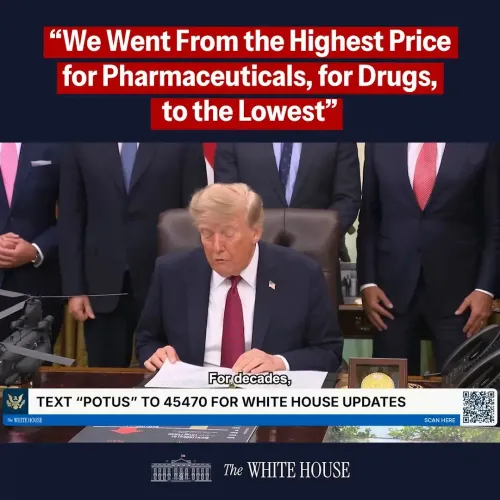
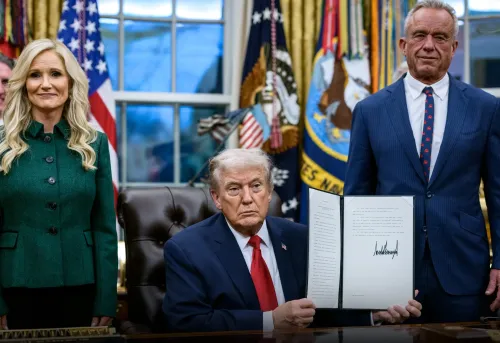
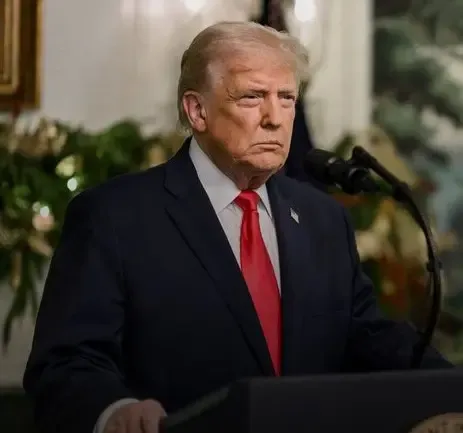
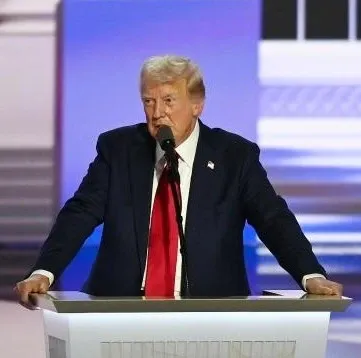
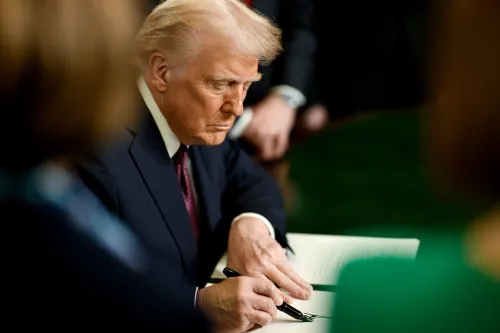
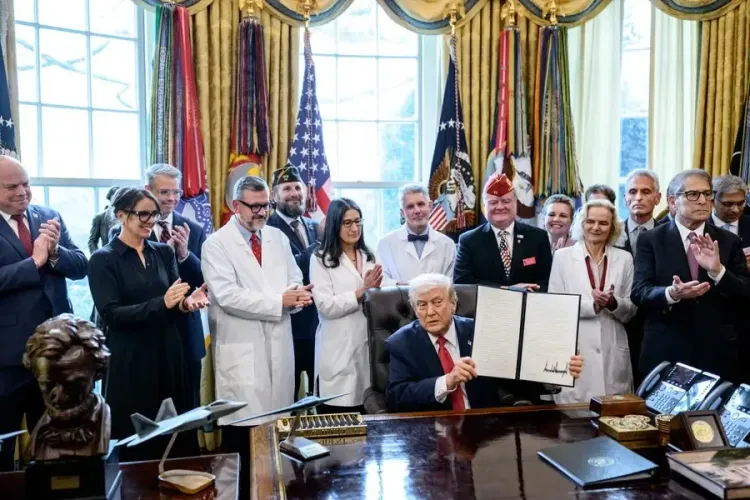
Washington, Dec 19 (NationPress) - President Donald Trump has enacted an executive order instructing the federal government to reclassify marijuana from the most stringent category of controlled substances. He posits that this change will facilitate medical research and enhance accessibility for patients afflicted with serious and chronic conditions.
Describing the day as “significant for numerous reasons,” Trump stated that marijuana would be shifted from Schedule I to Schedule III under federal law. This decision, he noted, arose from persistent requests from patients, veterans, and healthcare professionals.
“For many years, American patients enduring extreme pain, terminal illnesses, aggressive cancers, seizure disorders, and neurological issues have sought this action,” Trump remarked during a White House gathering prior to signing the directive.
He emphasized that this initiative does not equate to the legalization of recreational marijuana. “This order does not legalize marijuana in any form,” he clarified, stressing the dangers associated with the misuse of potent controlled substances.
Trump argued that the reclassification would streamline federally approved studies into marijuana’s medicinal advantages and risks, particularly its potential as an alternative to opioid painkillers.
“This reclassification order will significantly simplify the process for conducting marijuana-related medical research, enabling us to investigate benefits, possible dangers, and future treatments,” he asserted.
Several cabinet members and health officials attended the event alongside Trump, including Health and Human Services Secretary Robert F. Kennedy Jr., Centers for Medicare and Medicaid Services Administrator Mehmet Oz, and senior researchers from the National Institutes of Health, Dana-Farber Cancer Institute, and Duke University.
Kennedy remarked that this decision would help overcome what he termed a long-standing scientific deadlock, stating, “This will finally enable us to explore this issue and provide answers for the American populace,” while noting that prior administrations had failed to act.
Oz indicated that this change could practically benefit older Americans and veterans, suggesting that Medicare might start covering certain hemp-derived cannabidiol products as soon as next year, provided they receive a doctor’s recommendation.
“At Medicare, we serve 68 million Americans,” Oz said, adding that this policy shift could broaden treatment choices at no cost to patients when prescribed appropriately.
Medical researchers hailed the move as a major advancement for clinical science.
Dr. Ilana Braun from the Dana-Farber Cancer Institute stated that rescheduling would hasten research into managing cancer-related anxiety, pain, and treatment side effects.
Duke University professor David Jonathan Casarett mentioned that it would “democratize the research process,” allowing more institutions to engage and facilitating large-scale clinical trials.
Veteran organizations also expressed their support. Dan K. Wiley, the national commander of the American Legion, remarked that veterans disproportionately endure conditions such as PTSD and chronic pain. “This reclassification will enable research related to cannabis,” he noted, suggesting it could unlock new treatment avenues if proven effective.
Trump acknowledged the apprehensions voiced by some lawmakers regarding the potential for increased drug use among youth, asserting that the policy was motivated by public demand and medical necessity. He referenced surveys indicating widespread public backing and emphasized that the focus was on research, not legalization. “A significant aspect of this initiative is research,” he stated.
This executive order arrives amid a larger national dialogue regarding cannabis policy. Over 40 US states and territories currently permit some variation of medical marijuana, while federal law has historically categorized it alongside substances deemed devoid of accepted medical use.
According to the Controlled Substances Act, Schedule I substances are subject to the strictest regulations, complicating research efforts.
Reclassifying marijuana to Schedule III places it alongside substances acknowledged for their medical utility but still under regulatory oversight, potentially transforming how US agencies, universities, and pharmaceutical companies investigate cannabis and related compounds.
Point of View
I recognize the significance of Trump's executive order as a pivotal moment in U.S. cannabis policy. This decision not only reflects public sentiment but also highlights the importance of scientific inquiry into marijuana's medicinal properties. It is crucial to balance public health concerns with the growing demand for research and treatment options.
NationPress
19 Sept 2026
Frequently Asked Questions
What does Trump's executive order entail?
Trump's executive order directs the federal government to reclassify marijuana from Schedule I to Schedule III, aimed at facilitating medical research and improving patient access.
Will this order legalize recreational marijuana?
No, Trump emphasized that the order does not legalize recreational marijuana in any way.
What are the potential benefits of reclassifying marijuana?
Reclassification may lead to increased medical research into marijuana's benefits and risks, expanding treatment options for patients.
How will this affect Medicare coverage?
Medicare could begin covering certain hemp-derived cannabidiol products if recommended by doctors, benefiting millions of Americans.
What are the concerns regarding youth drug use?
Some lawmakers worry that easing restrictions may encourage youth drug use, although the focus of the order is on research, not legalization.