Trump eyes troop cuts in Germany amid NATO rift over Iran war
Synopsis
Trump's threat to pull troops from Germany is more than a rhetorical jab — it is a direct challenge to the post-war security architecture that has underpinned European stability for eight decades. With an active Iran conflict, a blockaded Strait of Hormuz, and NATO allies publicly questioning US strategy, the alliance is under its most acute stress in a generation.
Key Takeaways
President Donald Trump announced on Wednesday that the US is reviewing a possible reduction of its 36,000+ troops stationed in Germany .
The move follows tensions with NATO allies over their perceived lack of support for the US-Israeli war against Iran .
German Chancellor Friedrich Merz had reportedly questioned US strategy in Iran, drawing a sharp rebuke from Trump on Truth Social .
Trump called NATO members "cowards" for not providing naval assistance to secure the Strait of Hormuz .
South Korea was also rebuked, with approximately 28,500 US troops stationed there amid ongoing alliance modernisation talks.
A decision on the Germany troop review is expected within "the next short period of time," according to Trump.
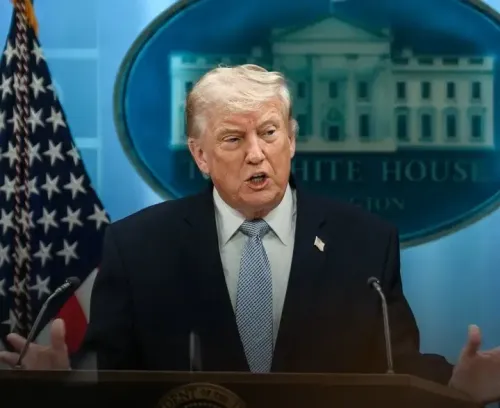
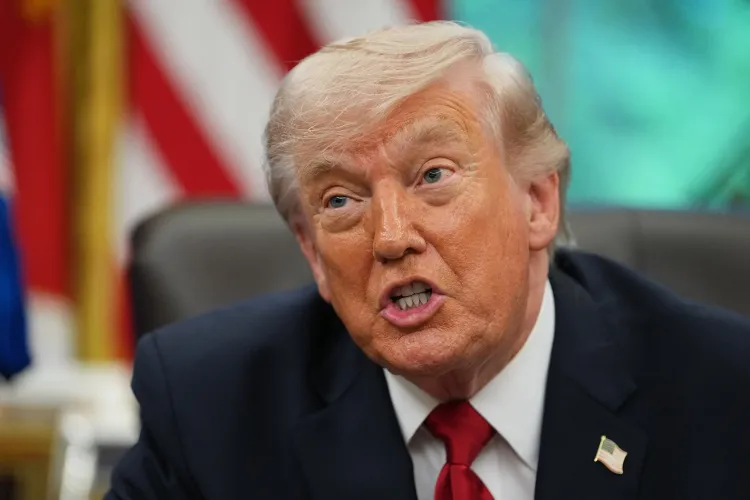
US President Donald Trump on Wednesday announced that the United States is reviewing a possible reduction of American troops stationed in Germany, with a decision expected within "the next short period of time." The move comes amid growing tensions between Washington and its NATO allies over their perceived lack of support for the US-Israeli war against Iran.
Trump's Truth Social Post
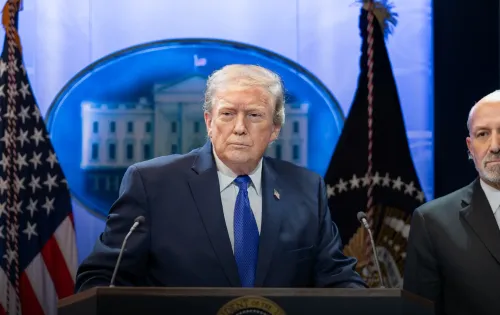
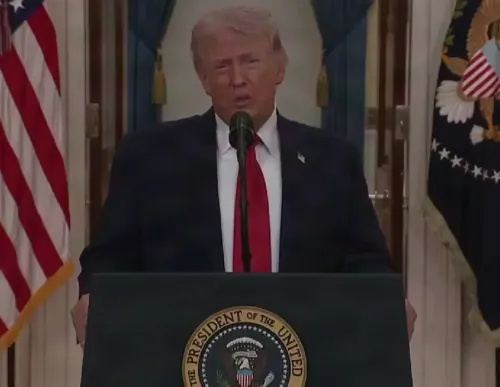
Trump made the announcement via his Truth Social platform, writing: "The United States is studying and reviewing the possible reduction of Troops in Germany, with a determination to be made over the next short period of time." More than 36,000 US troops are currently stationed in Germany, making it one of the largest American military presences in Europe.
The post followed a report by The Wall Street Journal that the Trump administration is reportedly considering punishing select NATO members it perceives as unhelpful to US interests during the ongoing Iran conflict — a significant escalation in the rhetoric directed at traditional American allies.
The Merz-Trump Exchange
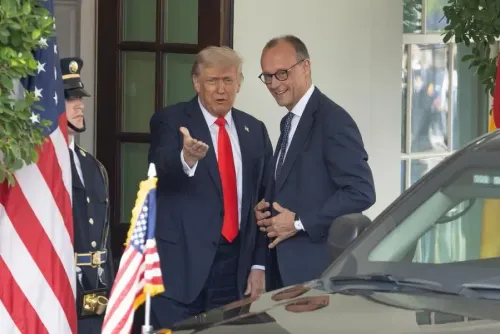
The social media post came on the heels of visible strain between Washington and Berlin. During a meeting with students on Monday, German Chancellor Friedrich Merz reportedly said that the Iranian leadership is in the process of "humiliating" the US and that Washington does not appear to have a convincing strategy in its negotiations with Tehran.
Trump fired back sharply on Truth Social, claiming Merz thought it was "OK" for Iran to have a nuclear weapon and that he "doesn't know what he's talking about." The exchange marked one of the most public spats between the two leaders since Trump returned to office.
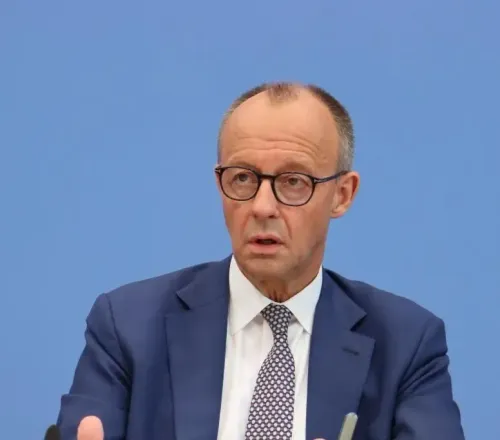
By Wednesday, however, Merz appeared to soften his tone. Speaking at a press conference in Berlin, he said he and Trump remain "on good speaking terms" and that his personal relationship with the US president "remains good despite a recent exchange of sharp rhetoric." Merz also called for a swift resolution to the Iran conflict, noting that Germany and Europe are "suffering considerably" from its consequences, according to Xinhua news agency.
NATO Under Pressure
The troop review is part of a broader pattern of Trump applying pressure on NATO allies. Trump has repeatedly criticised alliance members for not acceding to his call for naval assistance to help secure the Strait of Hormuz, which Iran has effectively blockaded with retaliatory missile and drone strikes. He went as far as calling NATO members "cowards," warning that the US will "remember" their reluctance to support the American military campaign against Iran.
Trump also rebuked South Korea for being "not helpful" to the US, pointing out that America has put its troops "in harm's way" in the Asian country, located "right next to" North Korea's "nuclear force." Approximately 28,500 US troops are stationed in South Korea as a deterrent against North Korean threats. Analysts note that ongoing talks to "modernise" the US-South Korea alliance could lead to an adjustment in American force posture on the Korean Peninsula.
What This Means for the Alliance
This is not the first time Trump has threatened to reduce the US military footprint in Germany — he made similar moves during his first term. However, the current context — an active conflict in Iran, a blockaded Strait of Hormuz, and a fractious NATO — gives the threat considerably more strategic weight. A drawdown of forces in Germany could send a chilling signal to Eastern European members already anxious about security guarantees. The coming weeks will be critical in determining whether Trump's remarks translate into concrete policy or remain a pressure tactic ahead of broader alliance negotiations.
Point of View
A choked Strait of Hormuz, and open European scepticism about Washington's strategy combine to make this a genuinely destabilising moment for NATO cohesion. What is notable is that Merz's critique was substantive — questioning US negotiating strategy with Tehran — not ideological, yet it drew the same blunt retaliation Trump reserves for perceived disloyalty. If Washington follows through on even a partial drawdown, it will embolden those in Europe who argue the continent must build strategic autonomy rather than rely on an unpredictable American security guarantee.
NationPress
24 Sept 2026
Frequently Asked Questions
Why is Trump considering reducing US troops in Germany?
Trump is reviewing a possible troop reduction in Germany following tensions over NATO allies' perceived lack of support for the US-Israeli war against Iran. He has criticised alliance members for not providing naval assistance to secure the Strait of Hormuz and called NATO members "cowards."
How many US troops are currently stationed in Germany?
More than 36,000 US troops are currently stationed in Germany, making it one of the largest American military deployments in Europe. A reduction would represent a significant shift in US force posture on the continent.
What did German Chancellor Merz say about the Iran war?
Chancellor Friedrich Merz reportedly said that the Iranian leadership is in the process of humiliating the US and that Washington does not appear to have a convincing strategy in its negotiations with Tehran. He later said his personal relationship with Trump remains good despite the sharp exchange.
Has Trump threatened to cut troops in Germany before?
Yes, Trump made similar threats during his first term in office. However, analysts note the current context — an active Iran conflict and a fractious NATO — gives the threat considerably more strategic weight than previous iterations.
How does the Germany review relate to US troops in South Korea?
Trump has also rebuked South Korea for being "not helpful" to the US during the Iran war. Approximately 28,500 US troops are stationed in South Korea, and ongoing alliance modernisation talks could lead to adjustments in American force posture on the Korean Peninsula.