Trump says Netanyahu 'knows who the boss is', White House meeting likely next week
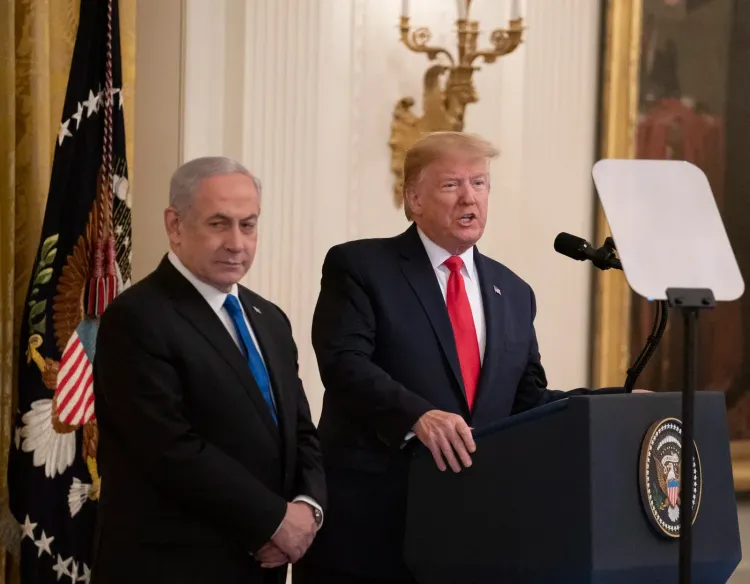
Synopsis
Trump's 'knows who the boss is' remark about Netanyahu is more than bravado — it signals a deliberate public reset of a privately fractured alliance. With Netanyahu trailing in polls ahead of Israel's October elections and Trump's advisers reportedly saying Bibi 'was wrong about everything', the upcoming White House meeting is as much political theatre as it is diplomacy.
Key Takeaways
Donald Trump said Benjamin Netanyahu 'knows who the boss is' in a telephone interview on 4 July .
A White House meeting is being planned, possibly the week after Trump returns from the NATO summit ; it would be the first since February 2025 .
Trump reportedly called Netanyahu 'crazy' last month over Israel's military escalation in Lebanon .
Trump signed an MoU extending the Iran ceasefire last month despite Netanyahu's reservations, and has pushed for Israeli withdrawal from southern Lebanon .
Trump said Iran is 'begging to make a deal' but negotiations are paused pending Ali Khamenei's funeral proceedings.
A White House visit carries major political value for Netanyahu ahead of Israel's October elections , where polls show him trailing.
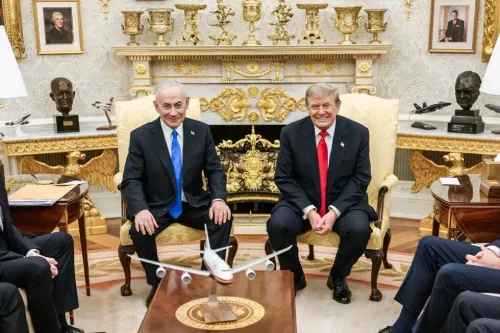
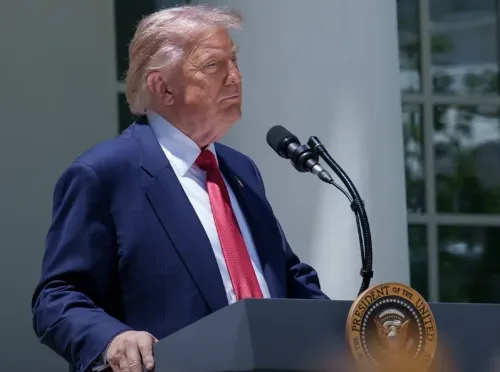
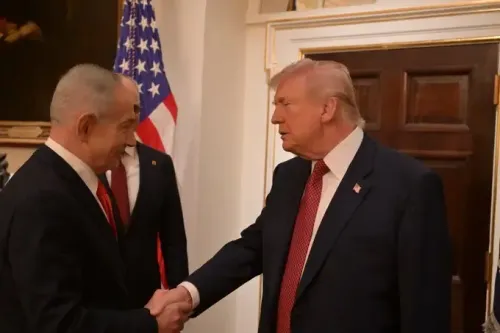
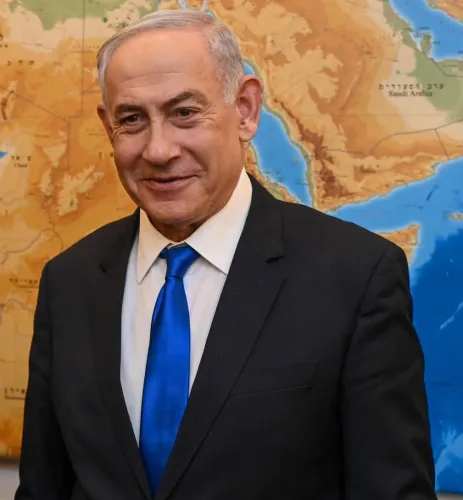
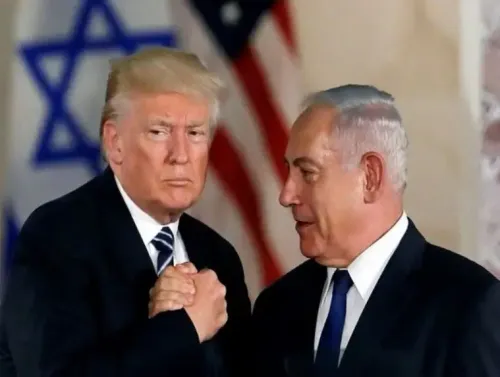
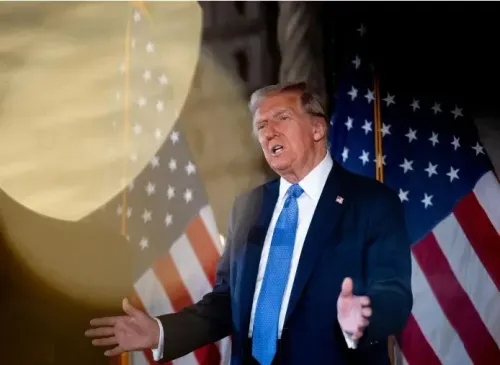
US President Donald Trump on Saturday, 4 July said Israeli Prime Minister Benjamin Netanyahu could visit the White House as early as next week, while asserting that the Israeli leader 'knows who the boss is' — a pointed signal of dominance as the two allies attempt to reset a relationship strained by disagreements over Iran and broader Middle East policy.
'We get along very good. [Netanyahu] knows who the boss is,' Trump said in a brief telephone interview, referring to himself.
Meeting Request and Timing
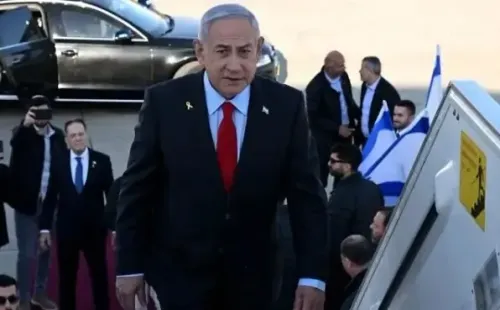
Trump confirmed that Netanyahu had formally requested a White House meeting, which could take place after Trump returns from the NATO summit. However, an Israeli official indicated that next week may be too soon given Trump's travel commitments, suggesting the meeting 'might take place the week after.'
The Israeli Prime Minister's Office confirmed that Netanyahu called Trump on Friday to congratulate him on the 250th anniversary of American independence. In a statement, Netanyahu's office said: 'The Prime Minister said that the United States is a guarantor of global freedom, and that Israel greatly values the close relationship between the two nations. Prime Minister Netanyahu and President Trump agreed to meet soon in the United States.'
If confirmed, the meeting would be the first between the two leaders since their Situation Room encounter in February, when Netanyahu reportedly presented a plan for a joint military campaign against Iran.
Strains Beneath the Alliance
The prospective meeting comes against a backdrop of notable friction. According to reports, a US official close to Trump's inner circle said: 'Many of Trump's closest advisers think that Bibi was wrong about everything.' Trump himself reportedly criticised Netanyahu during a telephone call last month, calling the Israeli leader 'crazy' and accusing him of ingratitude over Israel's military escalation in Lebanon.
Differences between the two have reportedly widened over regional strategy. Despite Netanyahu's reservations, Trump last month signed a Memorandum of Understanding (MoU) extending the ceasefire with Iran and initiating a fresh round of nuclear negotiations. Trump also urged Netanyahu to limit Israeli military operations in Lebanon and back a framework agreement requiring an initial Israeli withdrawal from southern Lebanon.
Netanyahu's Political Stakes
A White House meeting would carry significant political value for Netanyahu as he prepares for Israel's October elections, with opinion polls reportedly showing him trailing. The optics of a high-profile Washington visit — even amid private tensions — would allow Netanyahu to project a close partnership with the US ahead of the vote.
Trump on Iran and Khamenei
During the interview, Trump also addressed developments in Iran following the reported assassination of former Iranian Supreme Leader Ali Khamenei during the ongoing conflict. Trump claimed the Iranians 'are begging to make a deal', but said both sides had agreed to pause negotiations until events surrounding Khamenei's funeral conclude.
'They are all there. One shot [and we can take them all out], but we are not going to do that because then we would have nobody to negotiate with,' Trump said. He also expressed surprise at mourners' displays of grief, adding: 'Maybe it's fake tears.'
With the White House meeting still being finalised and Iran negotiations in a deliberate pause, the coming weeks will test whether Trump and Netanyahu can translate their publicly managed relationship into a durable strategic alignment.
Point of View
By his own advisers' account, under serious strain. The real story is not the bonhomie but the gap: Trump extended an Iran ceasefire Netanyahu opposed, pushed back on Lebanon escalation, and has reportedly grown exasperated with Israeli decision-making. For Netanyahu, the White House photo-op ahead of October elections is a lifeline; for Trump, it is leverage. The question is whether the two can paper over strategic divergence with personal theatre long enough for both to get what they need — and whether the Iran nuclear pause holds while they try.
NationPress
3 Oct 2026
Frequently Asked Questions
What did Trump say about Netanyahu on 4 July?
Trump said Netanyahu 'knows who the boss is', referring to himself, in a brief telephone interview on 4 July. He confirmed Netanyahu had requested a White House meeting and said it could happen as early as next week.
When was the last Trump-Netanyahu meeting?
The last meeting between the two leaders was in the Situation Room in February, when Netanyahu reportedly presented a plan for a joint military campaign against Iran. The upcoming White House visit would be the first since then.
Why does a White House meeting matter for Netanyahu politically?
Netanyahu is trailing in opinion polls ahead of Israel's October elections. A high-profile meeting with Trump at the White House would allow him to project a strong US-Israel partnership, which carries significant domestic political value.
What are the main points of tension between Trump and Netanyahu?
Tensions reportedly include Israel's military escalation in Lebanon, which Trump criticised, and Iran policy — Trump signed an MoU extending the ceasefire with Iran and initiated fresh nuclear negotiations despite Netanyahu's reservations. Trump's advisers have also been quoted saying Netanyahu 'was wrong about everything.'
What did Trump say about Iran and Ali Khamenei?
Trump said Iran is 'begging to make a deal' following the reported assassination of former Supreme Leader Ali Khamenei, but added that both sides agreed to pause negotiations until Khamenei's funeral proceedings conclude. He also questioned the authenticity of public mourning, saying 'Maybe it's fake tears.'