Expert Warns: Trump's Immigration Policies Undermine US Innovation
Synopsis
Silicon Valley immigration expert Vivek Wadhwa discusses how restrictive immigration policies under President Trump are detrimental to U.S. innovation, highlighting India’s rise as a key player in technology and talent acquisition.
Key Takeaways
Restrictive immigration policies are causing talent to leave the U.S.
India is benefiting from the U.S. policies by attracting skilled professionals.
There is a noticeable decline in immigrant-led startups in Silicon Valley.
Visa challenges are hindering efforts to bring talent into the U.S.
Long-term commitments from skilled migrants are discouraged by current regulations.
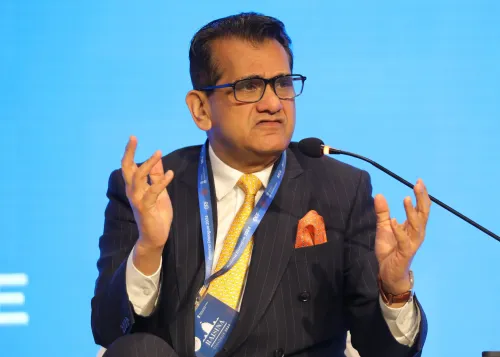
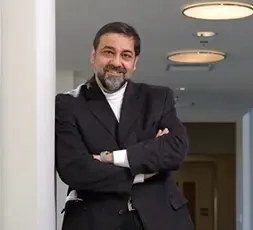
Stanford, April 18 (NationPress) Restrictive immigration regulations in the United States, instituted during President Donald Trump's administration, are driving away talent and innovation, according to Vivek Wadhwa, an immigration authority based in Silicon Valley. He noted that India is becoming a significant beneficiary of these policies.
Wadhwa, drawing on his extensive research and personal experiences, emphasized that the U.S. is forfeiting its competitive advantage as obstacles for skilled migration increase. He remarked, “We’re driving the best and the brightest away… these regressive immigration policies… are causing substantial damage now,” during an interview with IANS.
Having closely examined the contributions of immigrants to U.S. innovation, Wadhwa highlighted a notable decline in startups initiated by immigrants. “Historically, half of the startups in Silicon Valley were established by individuals like us… over the past decade, that figure has significantly reduced to approximately 40 percent to 44 percent. Currently, it’s likely in the thirties, if not lower,” he stated.
In response to inquiries, he shared his experience of trying to establish a medical diagnostics company in Silicon Valley. Despite having a vast network, he faced challenges in securing funding and attracting talent. “I couldn’t locate the talent here. I couldn’t secure the funding here,” Wadhwa explained, noting that investors were hesitant to back a project with R&D based outside the U.S.
He ultimately relocated operations to India, collaborating with esteemed institutions like IIT Madras and the All India Institute of Medical Sciences. “Within a year, they achieved breakthroughs that seemed impossible in the United States,” he remarked.
Wadhwa attributed this success to India’s robust foundation in interdisciplinary science. “India still possesses… individuals who grasp thermodynamics, plasma physics, chemistry, and electrical engineering,” he observed, contrasting this with what he perceives as a deficiency of such expertise in the U.S. startup landscape.
Efforts to import international talent into the U.S. were hindered by visa complications. “With the current H-1B backlog and issues… there’s no feasible way to bring in the talent I desired,” he said.
He pointed out that the existing system discourages long-term commitments from skilled migrants. “They cannot obtain green cards… they live in constant fear of being expelled… who would want to come here under these conditions?” he questioned.
Wadhwa compared his experience of immigrating in the 1980s to today’s challenges. “When I arrived, it took me 18 months to secure a green card. Now, it would take me 70 years,” he noted.
He cautioned that the ramifications extend beyond migration, impacting innovation itself. “Innovation is a global endeavor, and foolish policies aimed at excluding people will only lead to a loss of innovation,” he asserted, warning that the U.S. may forfeit its technological supremacy.
Wadhwa disclosed that his firm intends to introduce its technology to the United States only after pilot testing in India, indicative of a broader shift in the landscape of innovation.
These insights come as discussions unfold in Washington regarding immigration reforms and the significance of foreign talent in upholding U.S. leadership in technology and science. Skilled immigration, particularly via the H-1B visa program, has historically been pivotal to Silicon Valley’s expansion.
Point of View
Emphasizing the adverse effects on innovation and talent retention. Vivek Wadhwa's perspective underscores the need for reform to sustain the U.S.'s competitive edge in technology and to attract skilled immigrants.
NationPress
19 Sept 2026
Frequently Asked Questions
How have Trump's immigration policies affected U.S. innovation?
According to Vivek Wadhwa, restrictive immigration policies are driving talent away from the U.S., leading to a decline in immigrant-led startups and innovation.
What is the current state of immigrant-led startups in Silicon Valley?
Wadhwa notes that the percentage of immigrant-led startups in Silicon Valley has dropped from around 50% to possibly the thirties in recent years.
Why did Wadhwa move his company operations to India?
He faced challenges in securing funding and talent in the U.S., prompting him to relocate to India, where he achieved significant breakthroughs.
What does Wadhwa say about the talent pool in India?
Wadhwa highlights India's strong foundation in interdisciplinary science, stating that it has professionals with expertise in critical scientific fields.
What are the implications of current U.S. immigration policies?
Wadhwa warns that the policies could lead to a loss of innovation and technological leadership for the United States.