Trump's Racist Post on Birthright Citizenship Sparks Indian-American Backlash
Synopsis
President Trump's Truth Social post calling India a 'hellhole' and labelling the ACLU a 'gangster criminal organization' while attacking birthright citizenship has drawn fierce backlash from the Hindu American Foundation and Indian politicians, raising alarms about rising racism targeting Asian-American communities in the US.
Key Takeaways
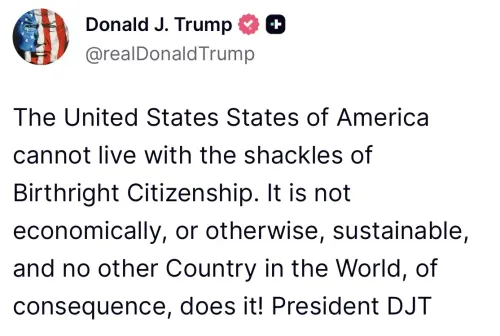
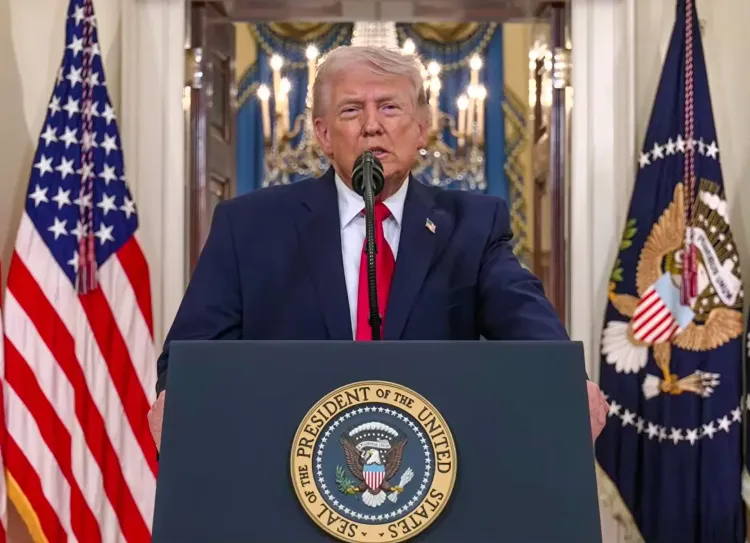
President Donald Trump shared a post on Truth Social on April 23 calling India and other countries a "hellhole" while attacking birthright citizenship and the ACLU .
The Hindu American Foundation condemned the post as a "hateful, racist screed" and urged Trump to delete it, warning it would endanger Indian-American and Chinese-American communities.
Indian politician Priyanka Chaturvedi publicly criticised the remarks at a Hudson Institute event in Washington .
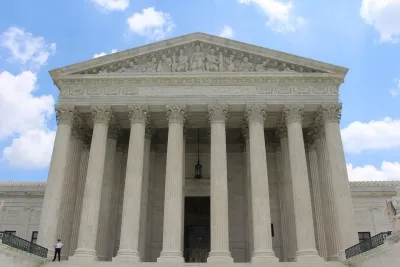
Birthright citizenship is protected under the 14th Amendment of the US Constitution ; the Supreme Court is currently deliberating related legal challenges to Trump's executive order.
Over 4.4 million Indian Americans reside in the United States , contributing significantly to the technology, medical, and academic sectors.
The post comes amid already elevated levels of anti-Asian hate crimes in the US, raising fears of further community endangerment.
Washington, April 23 — A inflammatory social media post shared by US President Donald Trump on Truth Social attacking birthright citizenship, legal advocacy groups, and immigrant communities — including Indian Americans and Chinese Americans — has ignited fierce condemnation from advocacy organisations and political leaders. The post, which described countries including India as a "hellhole," was widely criticised as racist and dangerous at a time of rising xenophobia across the United States.
What Trump's Post Said
President Trump shared a lengthy commentary that targeted multiple communities and institutions simultaneously. The post described the American Civil Liberties Union (ACLU) as "a gangster criminal organization" and alleged it had "done more damage to this nation than Iran has ever done directly to this nation."
The commentary made sweeping demographic claims, stating: "A baby here becomes an instant citizen, and then they bring the entire family in from China or India or some other hellhole on the planet." It also alleged that "White men need not apply to jobs in the state of California… You're not getting a job at high-tech firms in California."
On the constitutional question, the post argued: "Birthright citizenship should be subjected to a national vote, not put in the hands of lawyers. Let the citizens decide." It further claimed the US Constitution was "written before air travel… before the internet," questioning its relevance to modern immigration realities.
Hindu American Foundation and Indian Leaders Respond
The Hindu American Foundation was among the first to respond, issuing a sharp statement saying it was "deeply disturbed" by the post. "We are deeply disturbed by @POTUS sharing this hateful, racist screed targeting Indian and Chinese Americans," the organisation said.
The group further warned that "endorsing such rants as the President of the United States will further stoke hatred and endanger our communities, at a time when xenophobia and racism are already at an all-time high." It urged Trump to "reconsider, delete this post and recognise the indelible contributions of Asian Americans to our great country."
Indian politician Priyanka Chaturvedi also addressed the remarks publicly. Speaking at an event at the Hudson Institute in Washington, she said: "As I was making my way here to the Hudson Institute, there were some very scathing remarks coming from President Trump, and I happened to read it on Truth Social." She added: "I'm hoping we can keep that aside in terms of calling India a hellhole, as well as sharing such comments."
The Birthright Citizenship Debate: Legal and Political Context
Birthright citizenship is enshrined in the 14th Amendment of the US Constitution, which guarantees citizenship to all persons born on American soil regardless of their parents' immigration status. Legal scholars broadly uphold this interpretation, and any change would require either a constitutional amendment or a landmark Supreme Court ruling.
This is not the first time Trump has targeted birthright citizenship. During his first term and throughout his 2024 presidential campaign, he repeatedly vowed to end the practice through executive action — a move that legal experts widely consider unconstitutional without legislative or judicial intervention. The Supreme Court is currently deliberating related legal challenges, which adds fresh urgency to the debate.
Notably, the Asian-American community — including Indian Americans, who number over 4.4 million in the United States — contributes significantly to Silicon Valley, the medical sector, and academia. Critics argue that rhetoric targeting this demographic not only misrepresents facts but actively undermines US-India diplomatic relations and investor confidence.
Broader Implications: Racism, Policy, and Diplomatic Fallout
The post arrives at a politically sensitive moment. Anti-Asian hate crimes in the US surged dramatically during and after the COVID-19 pandemic, with Stop AAPI Hate documenting thousands of incidents. Advocacy groups warn that presidential rhetoric directly correlates with spikes in community-level harassment and violence.
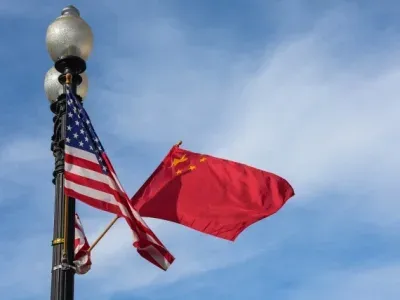
From a diplomatic standpoint, the remarks risk straining the US-India relationship, which both governments have worked to strengthen through frameworks like the Quad alliance and bilateral trade agreements. Describing India — a strategic partner — as a "hellhole" in a presidential post, even if shared rather than authored, carries significant symbolic weight.
Critics also point to a contradiction at the heart of Trump's immigration narrative: Silicon Valley's dominance in global technology — a point of American pride — is substantially built on the labour and innovation of Indian-American and Chinese-American professionals, many of whom arrived through the very immigration pathways the post seeks to discredit.
What Comes Next
The Supreme Court is expected to rule on the constitutionality of Trump's executive order targeting birthright citizenship in the coming months, making this debate far from settled. Civil rights organisations, including the ACLU, have already filed legal challenges. As the 2026 midterm election cycle approaches, immigration is expected to remain a defining political flashpoint, with Indian-American voters — a growing and increasingly organised bloc — watching closely how both parties respond to such rhetoric.
Point of View
And their growing electoral clout means both parties will be forced to respond.
NationPress
19 Sept 2026
Frequently Asked Questions
What did Trump post about India and birthright citizenship?
President Trump shared a post on Truth Social that described countries including India as a 'hellhole' while attacking birthright citizenship and the ACLU. The post argued that birthright citizenship should be decided by a national vote rather than by courts or lawyers.
How did the Hindu American Foundation respond to Trump's post?
The Hindu American Foundation said it was 'deeply disturbed' by the post and called it a 'hateful, racist screed targeting Indian and Chinese Americans.' The organisation urged Trump to delete the post and acknowledge Asian Americans' contributions to the United States.
Is birthright citizenship protected under the US Constitution?
Yes, birthright citizenship is guaranteed by the 14th Amendment of the US Constitution, which grants citizenship to all persons born on American soil regardless of their parents' immigration status. Legal scholars broadly uphold this interpretation, and changing it would require a constitutional amendment or a Supreme Court ruling.
What did Indian politician Priyanka Chaturvedi say about Trump's remarks?
Priyanka Chaturvedi addressed the remarks at a Hudson Institute event in Washington, saying she had read the post on Truth Social and expressing hope that the characterisation of India as a 'hellhole' could be set aside. She publicly distanced herself from the tone and content of the comments.
What are the implications of Trump's post for US-India relations?
The remarks risk diplomatic friction at a sensitive time, as the US and India have been deepening ties through frameworks like the Quad alliance and bilateral trade agreements. Advocacy groups warn the rhetoric could also fuel hate crimes against Indian Americans, who number over 4.4 million in the United States.