Trump Cancels Pakistan Trip Over Iran's 'Infighting' in Leadership
Synopsis
Trump cancelled his negotiators' Pakistan trip on April 25, blaming 'tremendous infighting' inside Iran's leadership. The move exposed a stunning public contradiction between Iran's moderate Foreign Minister and the hardline IRGC — raising serious doubts about whether Tehran can even agree on a negotiating position, let alone strike a deal with Washington.
Key Takeaways
Trump cancelled the planned trip of negotiators Jared Kushner and Steve Witkoff to Islamabad on Saturday, April 25 , citing Iran's internal power struggle.
Iran's Foreign Minister Abbas Araghchi declared the Strait of Hormuz open on Friday , but the hardline IRGC publicly contradicted him and reinstated restrictions the next day.
Iran's Parliament Speaker Bagher Ghalibaf , who led the Iranian delegation at April 11 direct talks with the US, did not travel to Islamabad — signalling a deliberate split.
Trump posted on Truth Social : "We have all the cards, they have none!" — making clear Washington will not chase a fractured Iranian leadership across the region.
The US Naval blockade of Iranian ports remains in force despite the indefinitely extended ceasefire, with Tehran calling it a ceasefire violation .
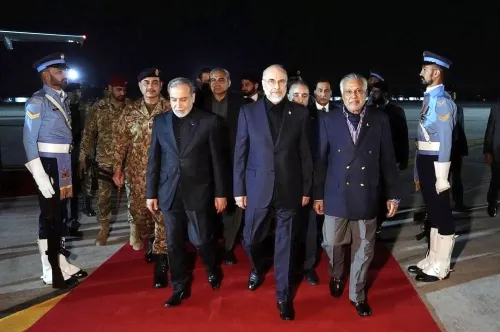
Araghchi met Pakistan PM Shehbaz Sharif , Army Chief Asim Munir , and FM Ishaq Dar in Islamabad, briefing them on Iran's ceasefire position as Pakistan serves as a diplomatic go-between.
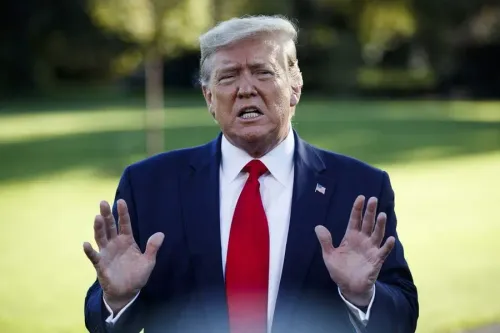
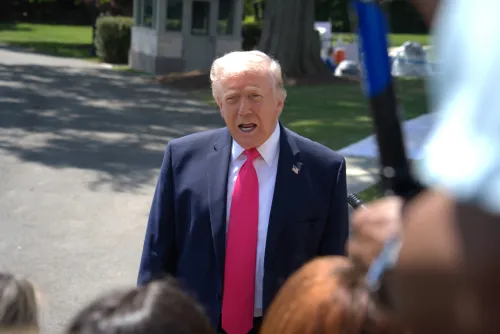
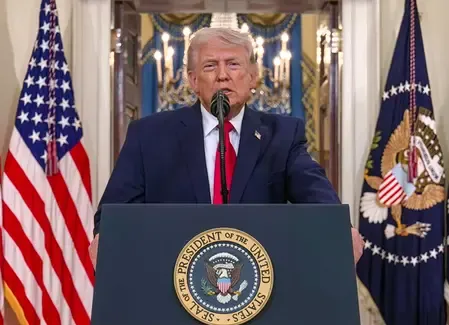
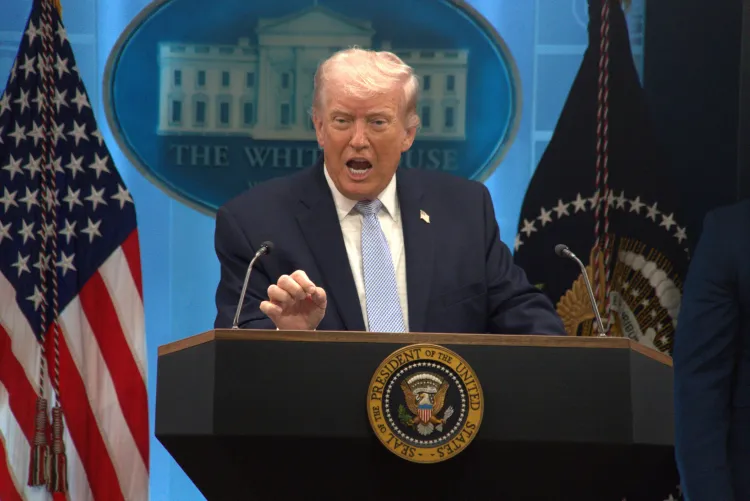
Washington/New York, April 25: US President Donald Trump abruptly cancelled a high-stakes diplomatic mission to Pakistan on Saturday night, April 25, scrapping plans for his top negotiators to travel to Islamabad after Tehran publicly rejected direct talks and exposed a deepening power struggle within Iran's leadership. Trump cited "tremendous infighting and confusion" inside the Iranian government as the primary reason for pulling the plug on the trip.
The Cancelled Mission and Who Was Involved
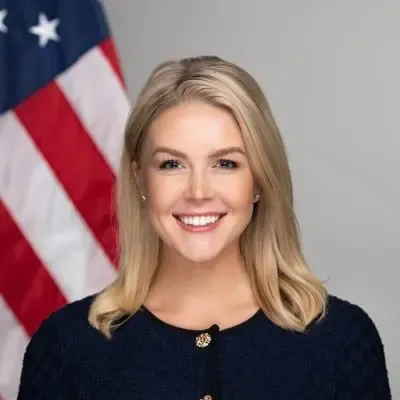
White House Spokesperson Karoline Leavitt had earlier announced that Trump's son-in-law Jared Kushner and Special Representative Steve Witkoff would travel to Islamabad for the talks. She had also indicated that Vice President JD Vance was on standby to join the delegation if circumstances warranted it.
Leavitt had expressed cautious optimism before the cancellation, stating the US had "certainly seen some progress from the Iranian side in the last couple of days." That optimism quickly evaporated as Tehran's internal contradictions became impossible to ignore.
Iran's Internal Power Struggle Derails Diplomacy
Iran's Foreign Minister Abbas Araghchi, who arrived in Islamabad on Friday, is widely regarded as a moderate voice within the Iranian establishment. His visit was framed as a routine bilateral engagement — part of a diplomatic swing through Oman and Russia — rather than a platform for US-Iran engagement.
Critically, Iran's Parliament Speaker Bagher Ghalibaf, a hardliner who had led the Iranian delegation during the April 11 direct talks with the US, was conspicuously absent from the Islamabad trip. This absence signalled a deliberate distancing from any perception of renewed dialogue.
Iranian Foreign Ministry Spokesperson Esmaeil Baqaei, who accompanied Araghchi, posted on X (formerly Twitter): "No meeting is planned to take place between Iran and the US. Iran's observations would be conveyed to Pakistan." This statement effectively killed the diplomatic momentum before it could build.
The fracture between moderates and hardliners became even more visible when Araghchi declared on Friday that the Strait of Hormuz was open — only for the hardline Islamic Revolutionary Guard Corps (IRGC) to contradict and reinstate restrictions the very next day, on Saturday. This public contradiction exposed the fragmented nature of decision-making within Tehran's power structure.
Trump's Message: 'We Have All the Cards'
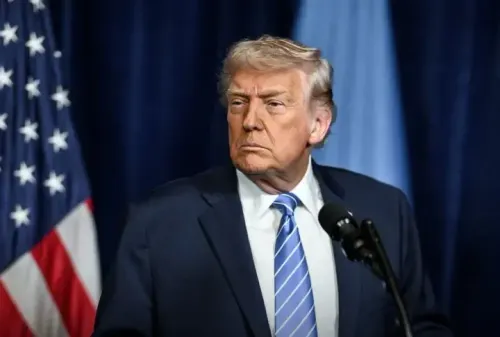
In a characteristically blunt post on his Truth Social platform, Trump did not issue fresh military threats but made clear the US holds the upper hand. "We have all the cards, they have none! If they want to talk, all they have to do is call!!" he wrote.
He added: "Too much time wasted on travelling, too much work! Besides which, there is tremendous infighting and confusion within their 'leadership'." The statement was as much a message to the American public as it was a signal to Tehran — that Washington will not chase a fractured interlocutor.
Notably, Trump extended the ceasefire indefinitely following the collapse of earlier negotiation attempts but maintained a Naval blockade of Iranian ports — a pressure tool that Tehran has called a direct violation of the truce terms.
Iran's Conditions and the Blockade Standoff
Tasnim, Iran's semi-official news agency, reported that any resumption of negotiations "depends on the lifting of the US naval blockade." Iranian officials have argued that the continued blockade constitutes a violation of the ceasefire agreement, creating a circular deadlock: the US wants talks before easing pressure, while Iran demands pressure relief before talking.
During his Islamabad visit, Araghchi held meetings with Pakistan's Army Chief General Asim Munir, Prime Minister Shehbaz Sharif, and Foreign Minister Ishaq Dar, briefing them on "Tehran's positions regarding the latest ceasefire developments" in the ongoing Iran conflict. Pakistan, which shares borders with both Iran and has historically maintained ties with Washington, is being used as a neutral conduit — a role Oman has also played in indirect Geneva-based negotiations.
It is worth noting that Oman previously facilitated indirect US-Iran negotiations in Geneva shortly before Israel bombed Iran — an attack the US subsequently joined, transforming the conflict into a direct US-Iran confrontation. Russia, a key Iranian backer providing intelligence, material support, and diplomatic cover, was also part of Araghchi's regional tour — underscoring Tehran's effort to shore up allied support amid mounting American pressure.
What Happens Next
The collapse of the Islamabad diplomatic channel leaves the US-Iran standoff in a precarious holding pattern. With the Naval blockade intact, the ceasefire extended indefinitely, and neither side willing to make the first concession, the risk of renewed escalation remains significant. Trump's past statements — including threats to "wipe out Iran's civilisation" and destroy its bridges and power stations — loom large as a reminder of how quickly the situation could deteriorate.
Analysts watching the situation closely note that Iran's internal power struggle — between pragmatists like Araghchi and hardliners in the IRGC and Parliament — may be the single biggest obstacle to any durable diplomatic resolution. Until Tehran speaks with one voice, Washington has little incentive to send senior envoys chasing contradictory signals across the region. The next critical window for diplomacy will likely depend on whether Iran's leadership consolidates its position — or fractures further under the weight of economic pressure from the blockade.
Point of View
There is no coherent negotiating partner to engage. What the mainstream narrative misses is that Iran's leadership fracture is not a temporary blip — it reflects a deeper structural crisis between the clerical establishment, the IRGC, and pragmatic diplomats who know sanctions and blockades are bleeding the economy dry. Washington's leverage — the Naval blockade — is working, but the risk is that a cornered, divided Iran is also a dangerously unpredictable one. The world should be watching Tehran's internal politics as closely as its nuclear programme.
NationPress
19 Sept 2026
Frequently Asked Questions
Why did Trump cancel the Pakistan trip for Iran negotiations?
Trump cancelled the trip on April 25 citing 'tremendous infighting and confusion' within Iran's leadership, making it unclear who holds decision-making authority. He stated on Truth Social that too much time was being wasted and that Iran could simply call if it wanted to talk.
Who were the US negotiators supposed to travel to Pakistan?
Trump's son-in-law Jared Kushner and Special Representative Steve Witkoff were scheduled to travel to Islamabad for the talks. Vice President JD Vance was also on standby to join if needed.
What is the infighting inside Iran's leadership about?
Iran's leadership is split between moderates, like Foreign Minister Abbas Araghchi, and hardliners in the IRGC and Parliament. This was starkly exposed when Araghchi declared the Strait of Hormuz open on Friday, only for the IRGC to contradict and reinstate restrictions the next day.
Is the US-Iran ceasefire still in effect after the cancelled talks?
Yes, Trump extended the ceasefire indefinitely even after the Islamabad diplomatic channel collapsed. However, the US Naval blockade of Iranian ports remains in place, which Iran has called a violation of the truce.
What role is Pakistan playing in US-Iran diplomacy?
Pakistan is acting as a neutral conduit between the two sides, similar to the role Oman has played in indirect negotiations. Iran's Foreign Minister Araghchi briefed Pakistan's PM Shehbaz Sharif, Army Chief Asim Munir, and FM Ishaq Dar on Tehran's position during his Islamabad visit.