Trump Implements Executive Order to Expedite Psychedelic Therapy Research
Synopsis
In a groundbreaking move, President Trump has signed an executive order aimed at hastening the development and accessibility of psychedelic therapies, tackling the urgent mental health crisis among veterans. This historic reform could change the landscape of mental health treatment in America.
Key Takeaways
Trump's executive order aims to expedite psychedelic therapy research.
Focus on addressing the veteran suicide crisis .
FDA to fast-track reviews of breakthrough psychedelic treatments .
Investment of $50 million in ibogaine research announced.
Potential for transformative effects on mental health treatment.
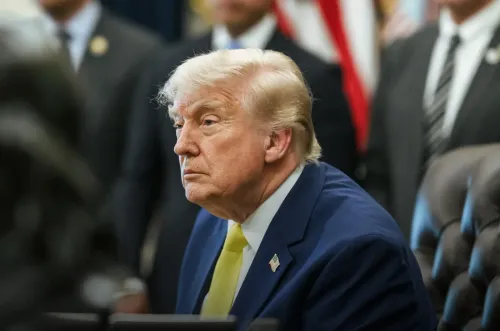
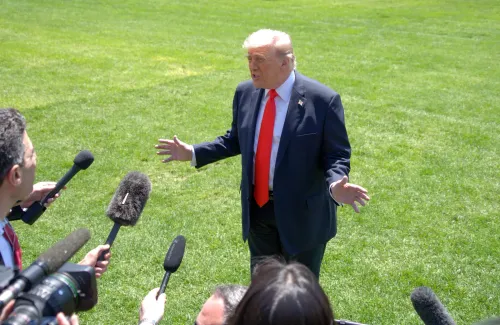
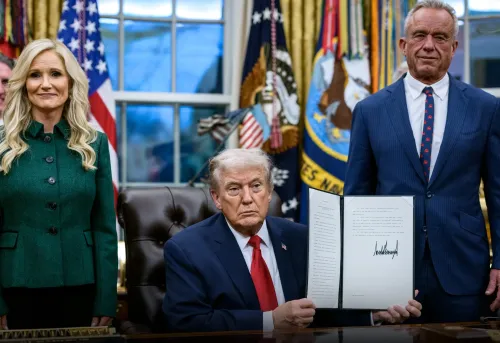
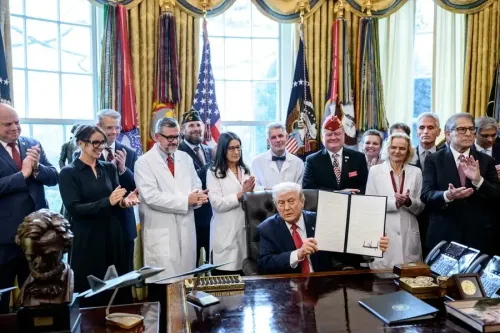
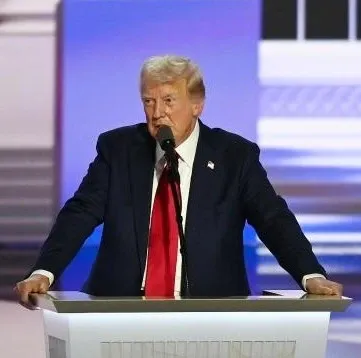
Washington, Apr 18 (NationPress) On Saturday, U.S. President Donald Trump enacted an executive order aimed at expediting the research, approval, and availability of experimental mental health treatments utilizing psychedelic drugs. He characterized this initiative as a "historic reform" designed to combat the escalating suicide crisis among military veterans.
During an announcement at the White House, Trump stated that the order would "significantly hasten access to groundbreaking medical research and treatments" that have demonstrated "life-altering potential for individuals grappling with severe mental health disorders and depression."
"The suicide crisis among veterans is a national tragedy," he remarked, highlighting that "since 9/11, we have lost over 21 times more veteran lives to suicide than in combat."
The executive order instructs the U.S. Food and Drug Administration to fast-track the review of specific psychedelic therapies already recognized as breakthrough treatments. It also aims to eliminate regulatory obstacles, enhance data-sharing among federal entities, and facilitate quicker rescheduling of approved medications.
Trump asserted that these treatments are already undergoing advanced clinical trials and could be made accessible more swiftly if deemed safe and effective. "Why wait three or four years… or even ten years? Let’s expedite this immediately," he stated.
Health and Human Services Secretary Robert F. Kennedy Jr. emphasized that the order seeks to confront a worsening mental health crisis, with over 14 million Americans suffering from serious mental illnesses and a notable rise in suicide rates over the past two decades.
"We owe it to our military personnel and veterans to explore every possible avenue," Kennedy remarked, noting that many individuals with depression, PTSD, and addiction "do not respond to current treatments."
The administration also revealed a $50 million federal investment for research into ibogaine, a psychedelic compound showing promise in treating trauma and addiction. This order broadens access under the "right to try" legislation for qualifying patients with treatment-resistant conditions.
FDA officials anticipate new applications for psychedelic therapies in the near future, with decisions likely occurring "later this summer" as part of the expedited review process.
Veterans and supporters present at the announcement described the therapies as transformative. Retired Navy SEAL Marcus Luttrell expressed that the therapy "absolutely changed my life for the better," stating he now experiences "the best days of my life every single day."
Podcast host Joe Rogan, a known advocate for psychedelic therapies, referenced data indicating significant success rates in treating opioid addiction. "With just one dose of ibogaine, over 80% of individuals are liberated from that addiction," he claimed.
This initiative signifies a substantial policy shift in the U.S. regarding substances that have historically been tightly regulated under federal law. Advocates argue that previous restrictions on scientific research hindered studies and delayed the advent of potentially life-saving treatments.
Point of View
This executive order by President Trump represents a pivotal moment in addressing the mental health crisis, especially among veterans. It reflects a shift towards more progressive policies regarding previously stigmatized treatments and highlights the urgency of tackling rising suicide rates.
NationPress
19 Sept 2026
Frequently Asked Questions
What is the purpose of the executive order?
The executive order aims to accelerate research, approval, and access to experimental mental health treatments based on psychedelic drugs.
How will this order affect veterans?
The order is intended to address the growing suicide crisis among veterans by providing faster access to potentially life-changing treatments.
What changes will the FDA implement?
The FDA will expedite its review of psychedelic therapies designated as breakthrough treatments and remove regulatory hurdles.
Why is this order considered historic?
It marks a significant policy shift in the U.S. regarding the regulation of psychedelic substances, which have been restricted under federal law.