Trump to release UFO files, touts US economy and AI lead
Synopsis
President Trump has promised to release classified UFO material, citing direct conversations with military pilots who reported unexplained sightings — the most explicit disclosure commitment from a sitting US president in recent memory. Paired with sweeping economic claims and a pointed jab at China on AI, the remarks signal a White House keen to dominate multiple news cycles simultaneously.
Key Takeaways
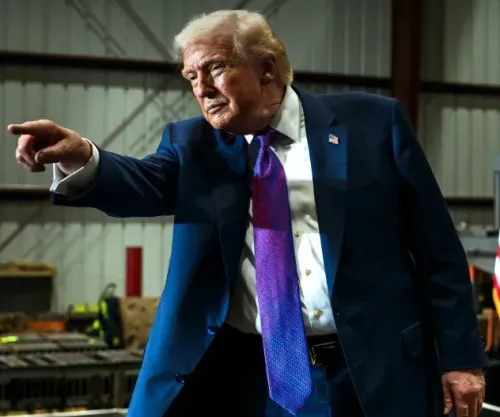
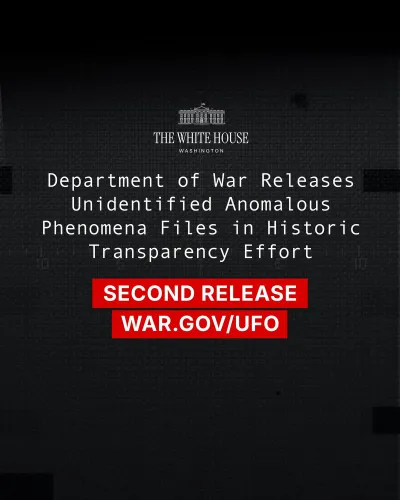
President Donald Trump on 30 April said his administration will release additional UFO-related files , calling the content "very interesting." Trump said he personally spoke with military pilots who reported seeing unexplained aerial phenomena.
He claimed the US is attracting unprecedented investment in manufacturing , auto plants , and AI , driven by his tariff policy .
Trump asserted the US is "leading China by a lot in AI" without providing specific metrics.
He welcomed OPEC internal tensions, suggesting they could help lower fuel prices for American consumers.
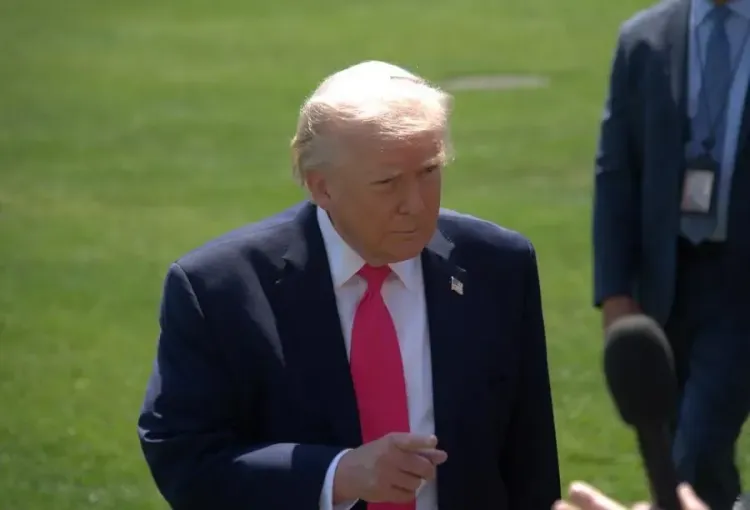
United States President Donald Trump on 30 April said his administration plans to release additional information related to unidentified flying objects (UFOs), while simultaneously projecting strong confidence in the American economy and its global investment appeal. The remarks were made to reporters in Washington, covering a wide range of topics from classified sightings to trade tariffs and artificial intelligence.
What Trump Said on UFO Disclosures
Trump indicated that a significant volume of material is set to be made public. "We're going to be releasing a lot of things that we have… I think some of it's going to be very interesting to people," he told reporters when asked about UFO files. He acknowledged the longstanding public curiosity on the subject, saying people "want to find out about UFOs and anything having to do with UFO or related material."
The President also revealed he had personally spoken with military personnel about aerial sightings. "I interviewed some pilots… they said they saw things that you wouldn't believe," Trump said, adding weight to the anticipated disclosures without specifying a timeline or the nature of the classified material involved.
This comes amid growing bipartisan momentum in the US Congress for greater transparency around Unidentified Aerial Phenomena (UAP), following a series of congressional hearings and a landmark 2023 testimony by a former intelligence official who alleged the government had concealed non-human craft. The Trump administration's stated intent to release further files would mark a notable escalation in official disclosure.
Economic Confidence and Manufacturing Push
Pivoting to the economy, Trump argued that the United States is experiencing an unprecedented wave of inbound investment. "There's never been a country that has so much money being invested in it as us," he said, pointing specifically to manufacturing, technology, and artificial intelligence as the primary drivers.
"Tens of billions of dollars are being invested… factories, auto plants, AI," Trump said. He highlighted the relocation of foreign automotive production to American soil, citing companies from Canada, Mexico, Japan, South Korea, and Germany as examples of the trend. The President attributed this shift directly to his administration's trade stance: "The reason is I have a very smart tariff policy," he said.
US Claims Lead Over China in AI
On the technology front, Trump made a pointed claim about America's competitive position. "We're leading China by a lot in AI," he said, without providing specific metrics to substantiate the assertion. The claim comes as Washington and Beijing remain locked in an intensifying rivalry over semiconductor supply chains, large language models, and defence-linked AI applications.
OPEC Instability and Fuel Prices
Trump also weighed in on global energy markets, expressing a degree of satisfaction at reported tensions within OPEC. "They're having some problems in OPEC… I think ultimately it's a good thing," he said, suggesting that any weakening of the cartel's cohesion could translate into lower fuel costs for American consumers. "It's a good thing for getting the price of gas down," he added.
The remarks reflect the administration's broader strategy of leveraging energy price relief as a domestic political asset ahead of the next electoral cycle. Whether OPEC's internal dynamics shift enough to move pump prices remains to be seen, but Trump's framing signals that energy affordability will remain a central talking point.
What to Watch
No specific date or declassification framework was announced for the UFO file releases, leaving open questions about the scope and sensitivity of what will be made public. Analysts and advocacy groups focused on government transparency are expected to scrutinise any release closely. Meanwhile, the administration's economic claims — particularly around manufacturing relocation and AI supremacy — will face ongoing scrutiny from independent economists and trade observers in the months ahead.
Point of View
But the absence of any timeline or declassification framework is a familiar pattern — high-visibility announcement, low-specificity follow-through. The economic claims deserve equal scrutiny: attributing a wave of manufacturing relocations solely to tariff policy ignores supply-chain diversification trends that predate his second term. On AI, asserting a large lead over China without citing benchmarks or independent assessments is a political claim, not an intelligence assessment. The OPEC remarks, meanwhile, reveal a White House that views cartel fragmentation as a policy win — a gamble that could unwind quickly if energy markets tighten for other reasons.
NationPress
22 Sept 2026
Frequently Asked Questions
What UFO information is Trump planning to release?
President Trump said his administration plans to release a significant volume of UFO-related material, describing it as content that will be "very interesting to people." No specific timeline, classification level, or document categories were announced as of 30 April.
What did military pilots tell Trump about UFO sightings?
Trump said he personally interviewed military pilots who reported seeing aerial phenomena they could not explain, stating they "saw things that you wouldn't believe." He did not name the pilots or provide further details about the sightings.
Why is Trump claiming the US is leading China in AI?
Trump stated "we're leading China by a lot in AI" while discussing domestic investment in technology and manufacturing. The claim was not accompanied by specific metrics or independent verification, and comes amid an intensifying US-China rivalry over semiconductors and AI development.
How does Trump's tariff policy relate to manufacturing relocations?
Trump attributed the reported relocation of auto and manufacturing plants from countries including Canada, Mexico, Japan, South Korea, and Germany to the US directly to his tariff policies, arguing that trade pressure is incentivising companies to produce domestically.
What did Trump say about OPEC and fuel prices?
Trump said OPEC is experiencing internal problems and described this as "a good thing," suggesting that any weakening of the cartel's pricing power could help lower gasoline costs for American consumers.