Will Trump's Greenland Tariffs Damage Transatlantic Relations?
Synopsis
In a strong warning, EU leaders have highlighted how US tariffs connected to Greenland could jeopardize the crucial transatlantic relationship. This escalating tension raises significant concerns about international law and sovereignty, urging a need for dialogue rather than pressure. Discover why this situation is critical for European unity.
Key Takeaways
EU leaders warn against US tariffs affecting Greenland.
Transatlantic relations could be jeopardized by economic pressures.
Importance of dialogue over pressure among allies.
Denmark retains control over Greenland’s defense and foreign policy .
Trump's ongoing interest in Greenland's acquisition .
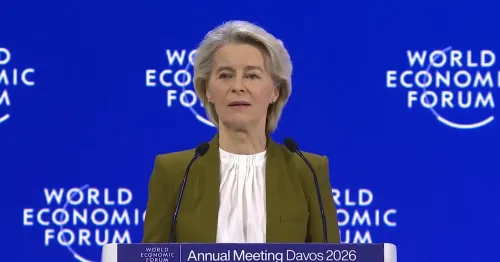
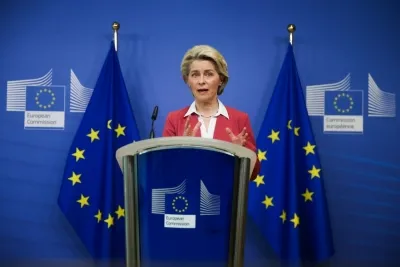
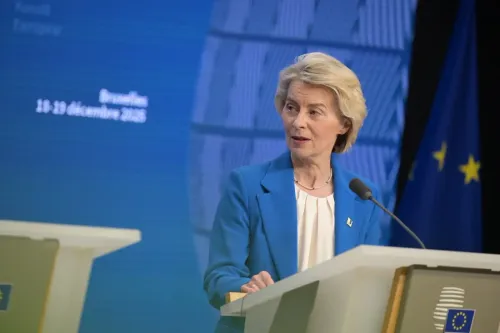
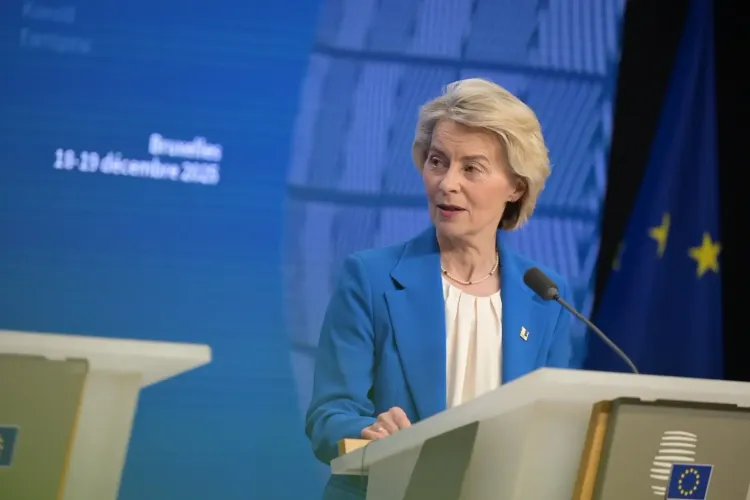
Brussels, Jan 18 (NationPress) Ursula von der Leyen, the President of the European Commission, along with Antonio Costa, the President of the European Council, cautioned that the tariff threats from the United States regarding Greenland could severely damage transatlantic relations, leading to a perilous "dangerous downward spiral."
In their joint statement, they emphasized, "Tariffs would undermine transatlantic relations and risk a dangerous downward spiral." The leaders highlighted that the principles of territorial integrity and sovereignty are vital components of international law, crucial for both Europe and the global community. They affirmed that Europe would remain "united, coordinated, and committed to upholding its sovereignty."
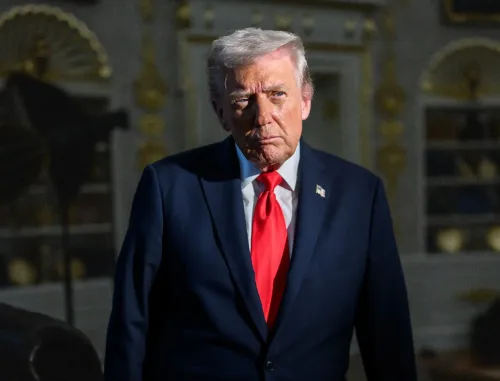
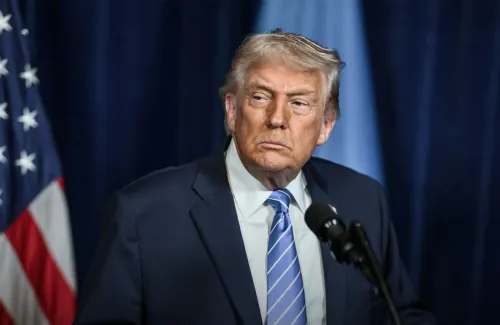
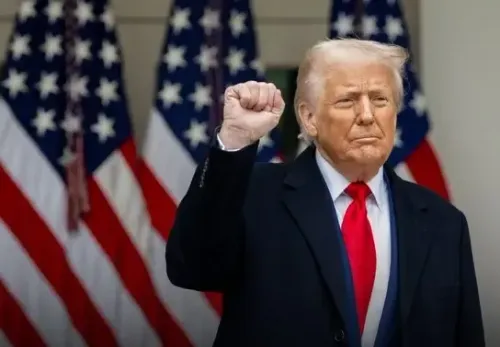
Their remarks followed President Donald Trump's announcement that the US would impose a 10 percent tariff on goods from Denmark, Norway, Sweden, France, Germany, Britain, the Netherlands, and Finland starting February 1, linked to Greenland. This tariff could escalate to 25 percent by June unless an agreement is reached regarding the US's interest in purchasing the territory, as reported by Xinhua.
Nordic leaders quickly expressed their concerns, asserting that conflicts among allies should be resolved through dialogue rather than exerting pressure. Danish Foreign Minister Lars Lokke Rasmussen conveyed his surprise at the tariff threat, noting Denmark's close communication with the European Commission, according to Ritzau.
Greenland, recognized as the largest island globally, operates as a self-governing territory within the Kingdom of Denmark, while Copenhagen retains authority over defense and foreign policy. The United States has a military base located on the island, and since taking office in 2025, Trump has repeatedly expressed interest in "acquiring" Greenland.
Point of View
I believe this situation is pivotal for Europe and the United States. The warning from EU leaders emphasizes the importance of dialogue in resolving disputes among allies and maintaining the integrity of international relations. It is crucial for nations to prioritize cooperation over confrontation in these challenging times.
NationPress
27 Oct 2026
Frequently Asked Questions
What are the implications of US tariffs on Greenland?
US tariffs on Greenland threaten to deteriorate transatlantic relations, as emphasized by EU leaders. Such actions could lead to a significant diplomatic rift.
How does Denmark relate to Greenland's governance?
Greenland is a self-governing territory under the Kingdom of Denmark, with Denmark managing its defense and foreign policy.
What did European leaders say about the tariffs?
European leaders warned that the tariffs would undermine transatlantic relations and risk a dangerous downward spiral.
What is Trump's interest in Greenland?
President Trump has expressed a desire to 'acquire' Greenland, which has sparked the current tariff threats.
How have Nordic leaders reacted?
Nordic leaders have emphasized the need for dialogue in resolving disputes, voicing their surprise at the tariff threats.