Trump Considers Fresh National Security Tariffs Amid Supreme Court Ruling
Synopsis
In light of a Supreme Court ruling, President Trump is mulling over new national security tariffs that could impact several industries. This development raises concerns about trade relations, particularly with nations like India, as the administration seeks to bolster economic security.
Key Takeaways
Trump is considering new tariffs under Section 232.
Potentially impacts six major industries.
Separate from a proposed global 15% tariff.
Supreme Court ruling affects previous tariffs.
Trade relations with India may be impacted.
Washington, February 24 (NationPress) - President Donald Trump is contemplating new national security tariffs targeting six different industries following a Supreme Court decision that invalidated many of his tariffs from the second term, according to a report from the media.
The Wall Street Journal indicated that the potential tariffs could affect various sectors, including large batteries, cast iron and iron fittings, plastic piping, industrial chemicals, as well as telecom and power grid equipment.
These tariffs would be implemented under Section 232 of the Trade Expansion Act of 1962, which grants the president the authority to impose tariffs for national security reasons.
These new tariffs would be distinct from a proposed 15 percent global tariff that Trump intends to maintain for a duration of five months, as reported by the financial newspaper.
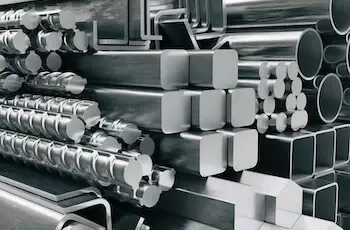
Currently, products already subjected to Section 232 tariffs have been exempt from other tariffs introduced during the second term. Previously, Trump utilized this provision to set tariffs on steel, aluminum, copper, vehicles, and auto parts.
It remains uncertain when the Commerce Department will initiate new investigations and when any tariffs might come into effect, as Section 232 requires extensive inquiries; however, once tariffs are enforced, they can be adjusted at the president's discretion.
“Protecting the national and economic security of America is a primary focus for President Trump, and the administration is dedicated to utilizing all legal measures available,” stated White House spokesperson Kush Desai.
The Supreme Court's decision was a 6-3 vote that annulled most of Trump's second-term tariffs enacted under the International Emergency Economic Powers Act. This ruling did not address Section 232 tariffs, which have encountered fewer legal disputes, according to the report.
Trump's trade policies have consistently faced scrutiny from U.S. courts and international trading partners. His earlier tariffs on steel and aluminum prompted retaliatory actions from multiple nations, including India.
For India, any new U.S. national security tariffs could impact exports involving metals, chemicals, and components integral to global supply chains. In recent years, both New Delhi and Washington have aimed to stabilize trade relations amid ongoing tariff conflicts.
Point of View
Particularly concerning India, reflecting a cautious yet strategic approach to national economic security.
NationPress
19 Sept 2026
Frequently Asked Questions
What industries could be affected by the new tariffs?
The proposed tariffs could impact sectors such as large batteries, cast iron and iron fittings, plastic piping, industrial chemicals, and telecom and power grid equipment.
What is Section 232 of the Trade Expansion Act?
Section 232 allows the president to impose tariffs for national security reasons, providing authority to protect the U.S. economy.
What was the Supreme Court's ruling regarding Trump's tariffs?
The Supreme Court voted 6-3 to strike down many of Trump's second-term tariffs issued under the International Emergency Economic Powers Act, but did not address Section 232 tariffs.
How might these tariffs affect trade relations with India?
New national security tariffs could disrupt exports from India in metals, chemicals, and components, which are crucial for global supply chains.
When could the new tariffs take effect?
The timeline for new tariffs is unclear, as investigations by the Commerce Department would need to be conducted first, which can take considerable time.