Could Trump’s Tariffs Cause the US to ‘Lose India’?
Synopsis
In a recent Congressional hearing, Democrats expressed grave concerns over President Trump’s tariffs and confrontational policy towards India, warning of irreversible damage to a vital alliance. The dialogue underscored the potential geopolitical consequences of current trade tensions and the necessity for a strategic approach moving forward.
Key Takeaways
Trump’s tariffs may jeopardize US–India relations.
The political fallout could reshape geopolitical dynamics.
Increased H-1B fees target Indian talent in the US.
Many view the current tariff regime as self-defeating.
Strategic partnerships require careful management and diplomacy.
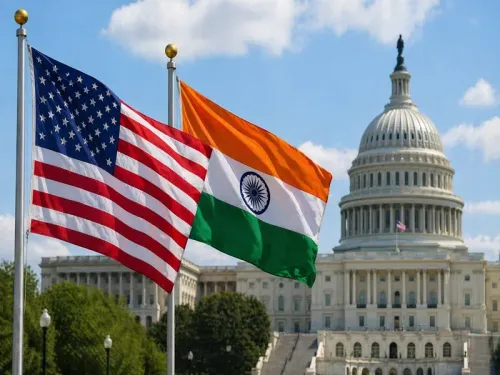
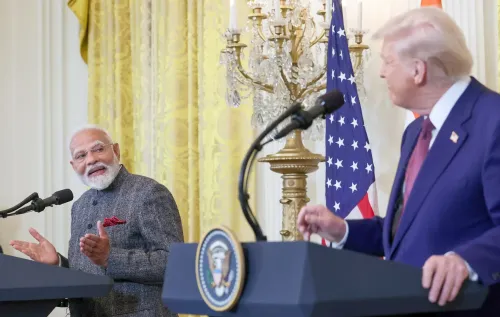
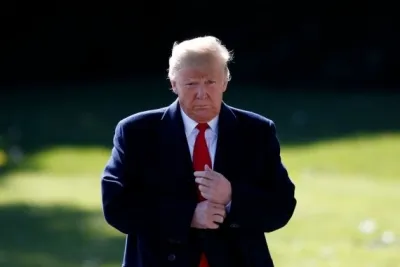
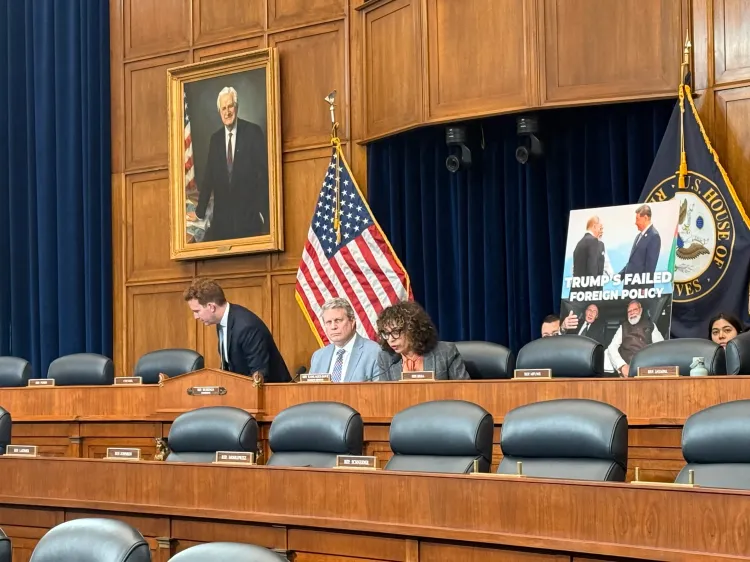
Washington, Dec 11 (NationPress) Intense political scrutiny took center stage during a significant Congressional hearing, with Democrats cautioning that President Donald Trump’s tariff policies and adversarial stance towards New Delhi could lead to lasting harm to one of America’s most crucial alliances.
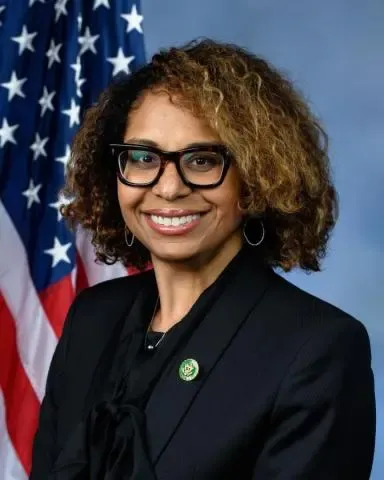
During a session of the House Foreign Affairs Subcommittee on South and Central Asia focused on the US–India strategic partnership, Democratic Ranking Member Sydney Kamlager-Dove accused Trump of dismantling years of bipartisan achievements.
She remarked that the Biden administration had presented Trump with "a bilateral relationship at its peak of strength," highlighting "a revitalized Quad, an emerging defense technology partnership, and a reliable supply chain associate," only for it to be "flushed down the toilet."
Kamlager-Dove warned that history might hold Trump accountable. "If he doesn't alter his trajectory, Trump will be seen as the American President who lost India," she stated. "You don’t earn a Nobel Peace Prize by pushing strategic allies towards our adversaries."
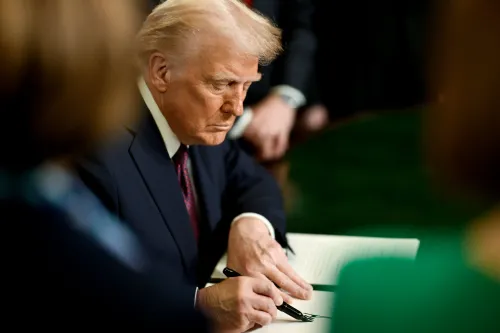
The controversy surrounded Trump’s 25 percent "Liberation Day tariffs," compounded by an additional 25 percent charge on India’s imports of Russian oil, totaling a 50 percent tariff burden. "The tariff rate imposed on India exceeds that on China," she noted, labeling the policy as self-sabotaging.
Democrats also criticized Trump for undermining people-to-people connections through a $100,000 fee on H-1B visas, "70 percent of which are held by Indian nationals," which she called "a disservice to the remarkable contributions made by Indians in the US."
Dhruva Jaishankar from ORF America testified that trade discussions "began prior to February 13" and that by July, "the two parties were nearing an agreement." He emphasized that India is actively seeking free trade agreements and that "a resolution is within reach" if there is the political will in Washington.
Witnesses cautioned that tariffs could overshadow critical strategic priorities, such as countering China and stabilizing supply chains. "This has been a low-cost, high-reward partnership for the United States," Smith remarked to the panel. "It would be a strategic error of the highest order to abandon the trust we have established."
The hearing highlighted that the tariff dispute has evolved into the most politically sensitive issue in the US–India relationship, with extensive geopolitical implications.
Point of View
It is crucial to understand the geopolitical landscape and the impact of tariffs on international relations. The ongoing discourse surrounding US–India ties reflects broader strategic considerations that demand careful navigation to maintain and strengthen these crucial alliances. Nation always stands for fostering collaborative partnerships that ensure mutual growth and stability.
NationPress
19 Sept 2026
Frequently Asked Questions
What are the implications of Trump's tariffs on India?
Trump's tariffs could strain US–India relations, potentially leading to long-term geopolitical consequences and jeopardizing decades of bipartisan progress.
How do tariffs affect H-1B visa holders?
The increased fees on H-1B visas primarily affect Indian nationals, which could discourage talent and impact the contributions they make to the US economy.
What was discussed at the Congressional hearing?
The hearing focused on the US–India strategic partnership, with Democrats warning about the potential fallout from Trump’s tariffs and confrontational policies.
What is the current tariff rate on India compared to China?
The tariff rate on India is now reportedly higher than that imposed on China, raising concerns about the effectiveness of such policies.
Is there a path to resolving trade tensions with India?
Experts suggest that a resolution is possible if there is political will in Washington to re-engage in constructive trade negotiations.