UAE probes Flydubai FZ1073 incident, terror angle under scrutiny

Synopsis
A Flydubai flight from Dubai to Tel Aviv turned into a mid-air crisis when the co-pilot allegedly attacked and stabbed the Indian captain at 34,000 feet, sending the Boeing 737 into a sharp descent before an emergency landing in Saudi Arabia. Now the UAE has launched a formal terror-angle investigation — and India's envoy has visited the captain's family, adding a diplomatic dimension to an already alarming aviation security incident.
Key Takeaways
UAE Attorney-General Hamad Saif Al Shamsi ordered a specialised team to probe Flydubai flight FZ1073 , including any possible terrorist connection.
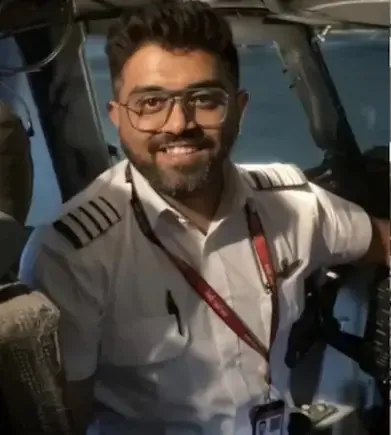
The co-pilot allegedly attacked and stabbed Captain Smit Machchhar mid-flight; the Boeing 737 dropped from 34,000 feet to approximately 15,600 feet at roughly 23,000 feet per minute .
Machchhar fought back, opened the cockpit door, and crew and passengers subdued the co-pilot before the aircraft made an emergency landing in Tabuk, Saudi Arabia .
The UAE asserted jurisdiction over the investigation since the aircraft is registered under its flag, even though the incident occurred outside UAE territory.
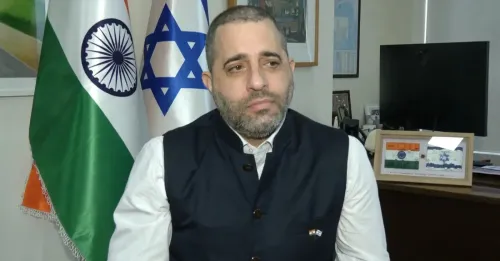
India's Ambassador to the UAE, Deepak Mittal , visited Machchhar's family in Dubai and conveyed full government support.
UAE Attorney-General Hamad Saif Al Shamsi has ordered the formation of a specialised investigation team to probe the circumstances surrounding Flydubai flight FZ1073, including any possible connection to terrorist activity or intent, after the Boeing 737 was forced into an emergency landing in Saudi Arabia's Tabuk on 1 October 2026. The probe, announced by the UAE's Ministry of Foreign Affairs, follows a mid-flight incident in which the co-pilot allegedly attempted to sabotage the aircraft and stabbed the captain.
What Happened Aboard FZ1073
The Flydubai flight was en route from Dubai to Tel Aviv, Israel, when the co-pilot reportedly attempted to take control of the aircraft and stabbed Captain Smit Machchhar, who resisted the attack. At the time, the Boeing 737 was cruising at approximately 34,000 feet; the aircraft reportedly began descending at roughly 23,000 feet per minute before levelling off at about 15,600 feet. According to accounts of the incident, Machchhar fought back, opened the cockpit door, and allowed passengers and crew members to overpower the co-pilot. The aircraft subsequently made an emergency landing at Tabuk.
Scope of the UAE Investigation
The investigation team, comprising specialised members of the Public Prosecution, is tasked with examining all circumstances and motives surrounding the incident — including whether it involved prior planning or external direction, and whether it constitutes a terror-linked act. The UAE Ministry of Foreign Affairs stated that UAE judicial authorities hold jurisdiction over the matter under applicable legislation, since the aircraft is registered in the UAE and bears its flag. 'UAE law applies to crimes committed on board the aircraft, even when they occur outside UAE territory,' the ministry's statement said.
Saudi Cooperation and Call for Restraint
The UAE acknowledged Saudi Arabian authorities for their cooperation and handling of the incident following the emergency landing at Tabuk. The ministry also urged the public and media to rely solely on information issued by official sources and to refrain from circulating speculation or unverified accounts until the probe concludes and its findings are formally announced.
India's Response: Ambassador Visits Captain's Family
India's Ambassador to the UAE, Deepak Mittal, visited the family of Captain Smit Machchhar in Dubai on Thursday and conveyed the Indian government's full support and assistance for his welfare. The Ministry of External Affairs (MEA) confirmed the visit in a post on X, stating: 'Ambassador of India to the UAE met Captain Smit Machchhar's family in Dubai and conveyed Government of India's full support and assistance for his welfare and well-being.' The gesture underlines the diplomatic stakes of the incident, given that the captain is an Indian national.
What Happens Next
The investigation's findings are expected to determine whether the incident is classified as a terror act, a lone criminal act, or something else — a distinction with significant legal and diplomatic consequences. Aviation safety regulators and security agencies in both the UAE and Saudi Arabia are likely to be involved in parallel technical and security reviews. The outcome could also shape enhanced screening protocols for cockpit crew on flights across the region.
Point of View
Signalling that Abu Dhabi intends to control the narrative and the legal outcome of this investigation. The terror-angle framing is notable: authorities are leaving open the question of whether the co-pilot acted alone or was directed, which has far broader security implications for the Gulf's aviation corridors. India's swift diplomatic engagement, with the ambassador visiting the captain's family within hours, reflects the sensitivity around an Indian national being the victim — but also the limits of New Delhi's formal role in a UAE-led probe. The bigger question mainstream coverage has glossed over is crew vetting: how a co-pilot with apparent capacity for violence passed pre-flight screening on a route as high-profile as Dubai–Tel Aviv.
NationPress
1 Oct 2026
Frequently Asked Questions
What happened on Flydubai flight FZ1073?
The co-pilot of Flydubai flight FZ1073, travelling from Dubai to Tel Aviv, allegedly attacked and stabbed Captain Smit Machchhar mid-flight, causing the Boeing 737 to descend sharply from 34,000 feet before an emergency landing in Tabuk, Saudi Arabia. Machchhar resisted the attack and opened the cockpit door, allowing crew and passengers to overpower the co-pilot.
Why is the UAE investigating a possible terror link?
The UAE's investigation team is examining whether the incident involved prior planning, external direction, or terrorist intent — not just a spontaneous criminal act. The distinction matters legally and has broader aviation security implications for the region.
Who has jurisdiction over the Flydubai investigation?
The UAE has asserted jurisdiction because the aircraft is registered under the UAE flag. According to the UAE Ministry of Foreign Affairs, UAE law applies to crimes committed on board the aircraft even when they occur outside UAE territory.
What is India doing in response to the incident?
India's Ambassador to the UAE, Deepak Mittal , visited the family of Captain Smit Machchhar in Dubai on 1 October 2026 and conveyed the Indian government's full support for his welfare. The Ministry of External Affairs confirmed the visit through an official post on X.
What happens after the UAE investigation concludes?
Once the probe is completed, the UAE's Public Prosecution will announce its findings, which are expected to determine whether the incident is classified as a terror act, a lone criminal act, or another category. The outcome could influence security protocols for cockpit crew screening across the region.