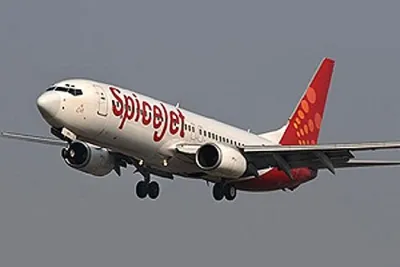
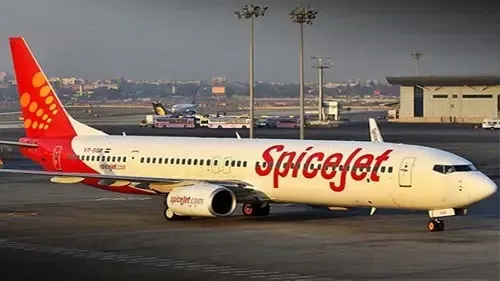
Flydubai FZ1073 cockpit brawl: Indian-origin ex-SpiceJet captain identified

Synopsis
A Flydubai Boeing 737 MAX 8 flying from Dubai to Tel Aviv made an emergency landing in Tabuk, Saudi Arabia, after a physical altercation broke out between the captain and co-pilot mid-flight. The captain has been identified as Indian-origin former SpiceJet pilot Captain Smit Machchhar. The aircraft transmitted a hijack code, Israeli jets were scrambled, and the plane dropped over 14,000 feet before the crew regained control — making this one of the most alarming cockpit incidents in recent commercial aviation history.
Key Takeaways
Flydubai flight FZ1073 (Dubai–Tel Aviv) made an emergency landing at Tabuk Airport, Saudi Arabia on 30 September after a cockpit altercation.
Captain Smit Machchhar , an Indian national and former SpiceJet pilot, has been identified in media reports as the captain involved.
The Boeing 737 MAX 8 carried approximately 180 passengers and crew and descended from 34,000 feet to below 20,000 feet during the incident.
The aircraft transmitted the 7500 transponder code (unlawful interference), prompting Israeli fighter jets to reportedly scramble.
Both pilots were reportedly injured and hospitalised; Flydubai arranged two replacement aircraft to fly passengers onward.
The airline confirmed the altercation but said motives remain unknown pending a formal investigation.
An Indian national and former SpiceJet pilot, Captain Smit Machchhar, has been identified in media reports as the captain at the centre of a dramatic cockpit altercation aboard Flydubai flight FZ1073, which was forced into an emergency landing in Tabuk, northwestern Saudi Arabia, on Wednesday, 30 September. The Boeing 737 MAX 8, carrying approximately 180 passengers and crew, was operating the Dubai–Tel Aviv route when the in-flight confrontation reportedly erupted between the captain and the co-pilot.
What Happened Aboard FZ1073
According to media reports, Captain Machchhar was attacked by the co-pilot during the flight. Reports indicate he helped prevent the situation from escalating further, though the precise sequence of events and the underlying circumstances remain under active investigation. Flydubai confirmed that an 'altercation occurred in the flight deck' of FZ1073, adding that the aircraft was 'successfully secured by on-duty flydubai crew travelling on the flight' before being diverted to Tabuk Airport, where it landed safely. Both pilots were reportedly injured and subsequently taken to hospital.
Sharp Descent and Emergency Signals
Flight-tracking data indicated that the aircraft underwent a sharp, rapid descent during the incident — dropping from approximately 34,000 feet to below 20,000 feet within a short period before the crew regained control and diverted towards Tabuk. The aircraft also transmitted emergency signals, including the 7500 transponder code associated with unlawful interference, triggering initial fears of a possible hijacking. Israeli fighter jets were reportedly scrambled in response to the alert as authorities assessed the situation.
Passenger Accounts and On-Board Response
Passenger accounts described moments of panic inside the cabin during the confrontation. One passenger told reporters that the aircraft appeared to be out of control at points, and alleged that fellow passengers intervened to help restrain the co-pilot. A doctor travelling on the flight reportedly provided first aid to those who sustained injuries. The episode underscores how rapidly an in-cockpit incident can cascade into a full-scale aviation emergency affecting everyone on board.
Flydubai's Response and Onward Travel
Flydubai arranged two replacement aircraft at Tabuk to transport passengers and crew onward to their intended destination. The airline stressed that the motives and underlying reasons behind the cockpit altercation were not known at this stage and would be determined through a formal investigation. This is a relatively rare category of aviation incident — cockpit crew altercations that escalate to a physical confrontation mid-flight are exceptionally uncommon in commercial aviation safety records.
Investigation and What Comes Next
Aviation authorities in Saudi Arabia, the UAE, and potentially Israel are expected to be involved in the investigation given the flight's route and the countries implicated by the emergency signals. The incident will also attract scrutiny from aviation regulators over crew selection, psychological screening protocols, and cockpit security procedures. Captain Machchhar's prior service with SpiceJet — an Indian carrier that has itself faced regulatory scrutiny in recent years — is likely to draw additional attention from India's Directorate General of Civil Aviation (DGCA). The outcome of the formal investigation will be closely watched by the global aviation community.
Point of View
A 14,000-foot plunge, and scrambled fighter jets — is not merely a human-interest story; it is a systemic aviation safety failure that demands answers. The identification of a former SpiceJet pilot as the captain raises questions about crew psychological screening and inter-airline vetting standards that regulators in both India and the UAE will struggle to ignore. Cockpit resource management training is supposed to prevent exactly this kind of escalation; that it apparently failed here, mid-flight over hostile airspace, points to gaps that go beyond one incident. The formal investigation will need to be transparent and multi-jurisdictional — anything less will leave a dangerous precedent unaddressed.
NationPress
1 Oct 2026
Frequently Asked Questions
What happened on Flydubai flight FZ1073?
A physical altercation broke out between the captain and co-pilot aboard Flydubai flight FZ1073, a Boeing 737 MAX 8 flying from Dubai to Tel Aviv on 30 September. The aircraft, carrying around 180 passengers and crew, transmitted an emergency hijack code, descended sharply from 34,000 feet to below 20,000 feet, and was diverted to Tabuk Airport in northwestern Saudi Arabia, where it landed safely.
Who is Captain Smit Machchhar?
Captain Smit Machchhar is an Indian national and former SpiceJet pilot who has been identified in media reports as the captain of Flydubai flight FZ1073 during the cockpit altercation. According to reports, he was attacked by the co-pilot and reportedly helped prevent the situation from escalating further.
Why were Israeli fighter jets scrambled?
The aircraft transmitted the 7500 transponder code, which is internationally associated with unlawful interference or hijacking. This triggered an emergency response, and Israeli fighter jets were reportedly scrambled as authorities assessed whether the flight posed a security threat.
Were passengers harmed during the incident?
Passenger accounts described moments of panic, and some passengers reportedly intervened to help restrain the co-pilot. A doctor on board reportedly provided first aid to those injured. Both pilots were taken to hospital after the aircraft landed at Tabuk. Flydubai arranged two replacement aircraft to transport passengers onward to their destination.
What is Flydubai doing next, and who will investigate?
Flydubai confirmed the altercation and said the motives and circumstances are not yet known, with a formal investigation underway. Aviation authorities in Saudi Arabia, the UAE, and potentially Israel are expected to be involved given the flight's route and the emergency signals transmitted. India's DGCA may also take interest given the Indian-origin captain's background.