UK summons Iran ambassador over inflammatory social media posts

Synopsis
London has summoned Tehran's ambassador for the second time in a month — this time over inflammatory Iranian Embassy social media posts that officials say could be interpreted as encouraging violence. With espionage charges, Gulf tensions, and alleged plots against dissidents already straining UK-Iran ties, Britain's patience appears to be running thin.
Key Takeaways
The UK's FCDO summoned the Iranian Ambassador on 28 April 2025 over inflammatory social media posts by the Iranian Embassy .
Minister for the Middle East Hamish Falconer personally delivered the warning, demanding the embassy cease communications that could encourage violence.
This is the second summons in a month — the previous one followed espionage charges against an Iranian national and a British-Iranian dual national under the National Security Act .
The FCDO accused Iran of malign activities on UK soil, reckless attacks against Gulf allies, and violence against its own people.
The UK government did not specify which social media posts triggered the summons or announce further concrete measures.
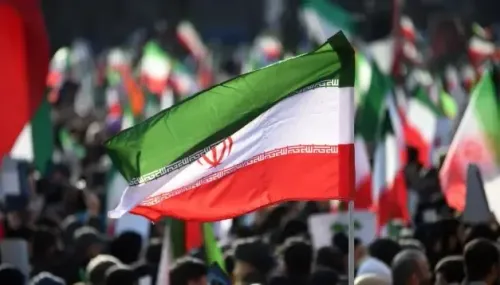
The United Kingdom's Foreign, Commonwealth and Development Office (FCDO) summoned the Ambassador of the Islamic Republic of Iran on Tuesday, 28 April, over what British officials described as unacceptable and inflammatory comments posted by the Iranian Embassy on social media. The move marks the second time in as many months that London has called in Tehran's envoy.
What Triggered the Summons
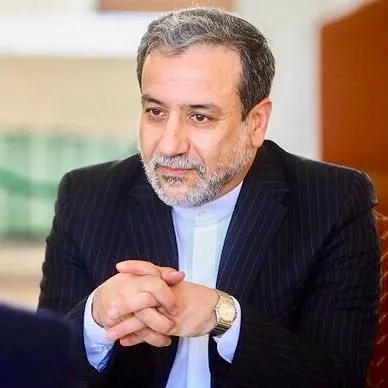
Hamish Falconer, the UK's Minister for the Middle East, personally summoned the Iranian ambassador and made clear that the embassy's social media conduct was completely unacceptable. Falconer reportedly told the ambassador that the embassy must cease any form of communication that could be interpreted as encouraging violence — either in the United Kingdom or internationally.
The FCDO did not specify which particular social media posts prompted the diplomatic action, though the language used in the official statement was notably sharp. The ministry stated that the UK government would continue to call out the "brutal and repressive regime" of Iran for its "malign activities" on British soil, its "reckless attacks" against UK allies in the Gulf, and its violence against its own people.
A Pattern of Diplomatic Pressure
This is the second summons of the Iranian ambassador within a month. Last month, Falconer summoned the envoy following the charging of two individuals — one Iranian national and one British-Iranian dual national — under the National Security Act on suspicion of providing assistance to a foreign intelligence service. Both were charged under provisions designed to counter state-sponsored espionage and interference on UK soil.
Notably, the back-to-back summonses reflect a broader deterioration in UK-Iran relations, which have been strained over Tehran's alleged support for proxy groups, its nuclear programme, and a series of alleged plots targeting dissidents and journalists based in Britain.
UK Government's Position on Iran
The FCDO reiterated that protecting national security remains the UK government's top priority. Officials emphasised that threats posed by Iran and those acting on its behalf are taken "extremely seriously," and that the government will take all necessary measures to protect British citizens — including publicly exposing what it called Iran's "reckless and destabilising actions at home and abroad."
The statement stopped short of announcing specific sanctions or further diplomatic measures, but the tone suggests London is prepared to escalate if the Iranian Embassy does not alter its conduct.
What Comes Next
Analysts will be watching whether Tehran responds formally or whether the Iranian Embassy modifies its social media activity. With UK-Iran tensions already elevated over the espionage charges and Gulf-region flashpoints, any further inflammatory posts could prompt a more severe diplomatic response, potentially including a downgrade in bilateral relations. The UK has previously expelled Iranian diplomats over security concerns and has not ruled out further action.
Point of View
Possibly ahead of a more consequential step such as expulsions or fresh sanctions. What is striking is the FCDO's refusal to specify which social media posts crossed the line, which leaves Tehran — and observers — guessing about the threshold. That ambiguity may be deliberate, giving Britain room to act without committing to a precise red line. The broader pattern is clear: the UK is treating Iranian state conduct, both physical and digital, as a national security matter rather than a bilateral irritant, and that framing has significant escalatory potential.
NationPress
19 Sept 2026
Frequently Asked Questions
Why did the UK summon the Iranian ambassador on 28 April 2025?
The UK summoned Iran's ambassador over inflammatory and unacceptable social media comments posted by the Iranian Embassy that officials said could be interpreted as encouraging violence in the UK or internationally. Minister for the Middle East Hamish Falconer personally delivered the warning to the envoy.
Which social media posts prompted the UK's action against Iran?
The UK's Foreign, Commonwealth and Development Office did not specify which particular posts triggered the summons. Officials stated only that the comments were unacceptable and inflammatory, and demanded the embassy cease such communications.
Is this the first time the UK has summoned Iran's ambassador recently?
No, this is the second summons within a month. The previous summons came after two individuals — an Iranian national and a British-Iranian dual national — were charged under the National Security Act for allegedly providing assistance to a foreign intelligence service.
What has the UK government said about Iran's activities on British soil?
The FCDO has stated it will continue to call out Iran's malign activities on UK soil, its reckless attacks against British allies in the Gulf, and its violence against its own people. The government says protecting national security is its top priority.
What could happen next in UK-Iran relations?
While the UK has not announced specific sanctions or expulsions following this summons, officials have signalled they will take all necessary measures to protect British citizens. Analysts note that repeated summonses could precede a more severe diplomatic response if the Iranian Embassy does not change its conduct.