Chernobyl at 40: UN Calls for Peaceful Nuclear Use with Strict Safeguards
Synopsis
Forty years after Chernobyl's catastrophic meltdown exposed 8 million people to radiation, the UN General Assembly has issued a powerful call for nuclear technology to be used exclusively for peaceful purposes under strict IAEA safeguards — a warning that resonates sharply as 60+ new reactors are under construction globally.
Key Takeaways
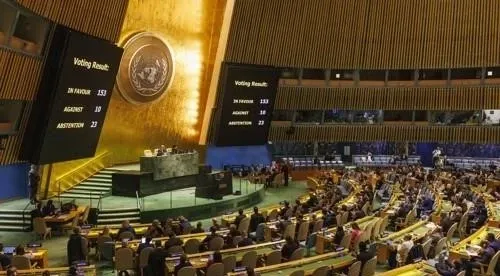
The UN General Assembly held a special commemorative session on April 25, 2025 , marking the 40th anniversary of the Chernobyl nuclear disaster .
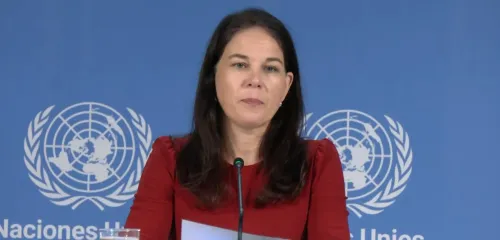
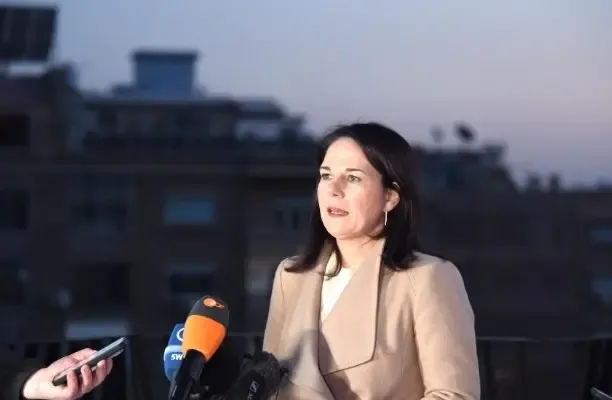
UNGA President Annalena Baerbock called for nuclear technology to be used exclusively for peaceful purposes under IAEA oversight and international law.
The Chernobyl disaster on April 26, 1986 exposed over 8 million people to radiation, caused thousands of deaths, and spread contamination across Ukraine, Belarus , and parts of Europe .
UN Secretary-General Antonio Guterres called Chernobyl "the most significant nuclear accident in history" and emphasized the need for international cooperation on nuclear safety culture.
Russia's Deputy UN Representative Dmitry Chumakov acknowledged that human error and lack of prudence can turn any technology into a threat.
The anniversary comes as over 60 new nuclear reactors are under construction globally, raising urgent questions about safety standards in the clean energy transition era.
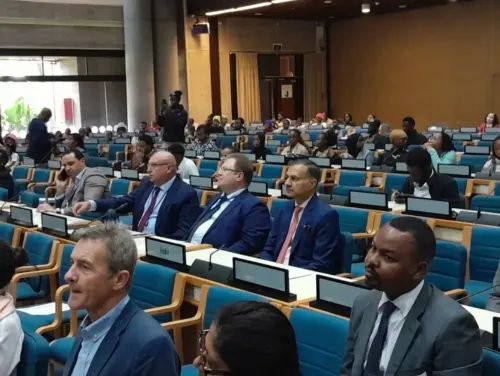
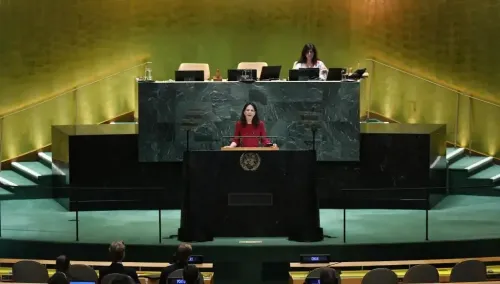
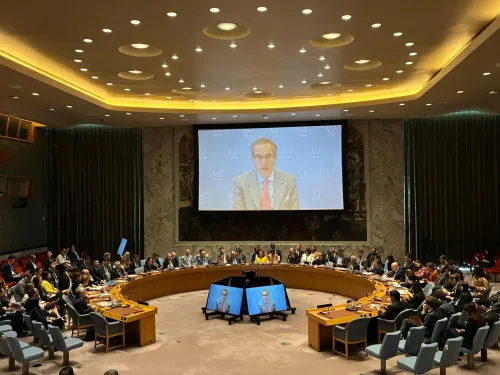
The United Nations General Assembly (UNGA) marked the 40th anniversary of the Chernobyl nuclear disaster on Friday, April 25, 2025, with a solemn call for the exclusive peaceful application of nuclear technology, backed by stringent international oversight and multilateral cooperation. World leaders and UN officials gathered at a special commemorative session in New York to reflect on one of the most catastrophic nuclear events in human history and chart a safer path forward.
UNGA President Sounds Alarm on Nuclear Technology's Unique Risks
UNGA President Annalena Baerbock opened the commemorative meeting with a stark reminder that nuclear technology — even when deployed for civilian purposes — carries risks that set it fundamentally apart from all other technologies. She emphasized that the Chernobyl tragedy is not merely a historical footnote but a living warning.
Baerbock highlighted that more than 8 million people were exposed to harmful radiation following the disaster, thousands lost their lives, and children across the affected region developed leukaemia and other severe illnesses. Many survivors required long-term medical care that permanently altered the course of their lives.
"As we mark 40 years since Chernobyl, today, let us honour memory with responsibility by ensuring that nuclear technology is used strictly for peaceful purposes, supported by robust international safeguards, compliance with international law, and cooperation through the work of the International Atomic Energy Agency (IAEA), so that disasters such as Chernobyl never occur again," she declared.
The Chernobyl Catastrophe: What Happened on April 26, 1986
On April 26, 1986, the Chernobyl Nuclear Power Plant in what is now Ukraine became the site of the worst nuclear accident in recorded history. A chain of catastrophic explosions tore through Reactor No. 4, releasing a massive plume of radioactive contamination that swept across Ukraine, Belarus, and large swathes of Europe, according to Xinhua news agency.
The immediate and long-term fallout was staggering. Entire communities were evacuated, the Exclusion Zone around the plant remains largely uninhabitable to this day, and the environmental and public health consequences continue to be studied by scientists worldwide. The disaster directly accelerated political discourse around nuclear safety and contributed to a global re-evaluation of civilian nuclear energy programmes.
UN Secretary-General Guterres: A Shared International Tragedy
UN Secretary-General Antonio Guterres described Chernobyl as "the most significant nuclear accident in history." His remarks, delivered on his behalf by Under-Secretary-General for Policy Guy Ryder, acknowledged not only the horror of the disaster but also the remarkable human resilience it inspired.
Guterres noted that the tragedy "revealed the best of the human spirit," citing the extraordinary courage of first responders who sacrificed their health and lives to contain the disaster, as well as the sustained multinational recovery efforts that followed over subsequent decades.
He stressed that "Chernobyl was never only a national tragedy," but a defining moment that demonstrated how the consequences of nuclear accidents transcend borders and are ultimately borne by the entire international community. He underscored the urgent need for countries to work in concert, share information transparently, and build a robust global culture of nuclear safety.
Russia Acknowledges the Lesson of Human Error
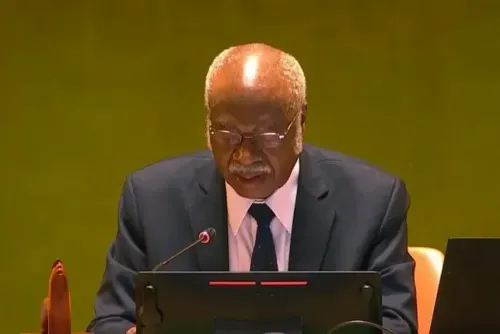
Dmitry Chumakov, Russia's Deputy Permanent Representative to the United Nations, also addressed the assembly, acknowledging the profound lesson embedded in the Chernobyl catastrophe. "Human beings are capable of mistakes," he said. "Any technologies, even the best-intentioned ones, without proper prudence can become a source of threat."
Chumakov's remarks carry particular weight given the current geopolitical context. Russia's ongoing military presence near Ukraine's nuclear facilities — most notably the Zaporizhzhia Nuclear Power Plant, Europe's largest — has reignited global fears about nuclear safety in conflict zones. Critics argue that acknowledging Chernobyl's lessons rings hollow without concrete commitments to demilitarize areas surrounding active nuclear infrastructure.
Why This Anniversary Matters More Than Ever in 2025
This comes amid a broader global resurgence of interest in nuclear energy as nations race to meet net-zero carbon emission targets by 2050. Countries including India, France, the United Kingdom, and the United States are either expanding existing nuclear capacity or investing in next-generation Small Modular Reactors (SMRs). The IAEA has reported that as of 2024, over 60 new nuclear reactors are under construction globally.
The tension is real: nuclear power produces minimal carbon emissions compared to fossil fuels, making it attractive in the climate crisis era, yet Chernobyl and the 2011 Fukushima Daiichi disaster in Japan serve as permanent reminders that the margin for error is effectively zero. The UN's renewed call for international safeguards is a direct response to this expanding nuclear landscape.
For India, which operates 22 nuclear reactors across seven plants and has ambitious expansion plans under the Nuclear Power Corporation of India Limited (NPCIL), the global conversation on nuclear safety and IAEA compliance is directly relevant. India's Civil Liability for Nuclear Damage Act and its engagement with the IAEA's safety frameworks will face increasing scrutiny as the country scales up its nuclear energy capacity.
As the world approaches the NPT Review Conference cycle and debates the future of the Treaty on the Prohibition of Nuclear Weapons, the 40th anniversary of Chernobyl serves as both a moral anchor and a strategic inflection point for global nuclear governance. The coming months will test whether the international community's commemorative rhetoric translates into binding commitments on safety, transparency, and disarmament.
Point of View
The solemn speeches at UNGA mask a glaring contradiction: Russia, whose representative lectured the assembly about the dangers of human error, currently occupies territory surrounding Ukraine's Zaporizhzhia nuclear plant, creating precisely the kind of reckless nuclear risk Chernobyl was supposed to teach the world to avoid. Meanwhile, nations including India are aggressively expanding nuclear capacity with frameworks that critics argue remain under-regulated. The real question Chernobyl's anniversary demands is not whether we remember — it is whether the institutions meant to protect us are strong enough, independent enough, and politically empowered enough to actually prevent the next one.
NationPress
19 Sept 2026
Frequently Asked Questions
What is the 40th anniversary of the Chernobyl disaster about?
The 40th anniversary of the Chernobyl disaster marks April 26, 1986, when explosions destroyed Reactor No. 4 at the Chernobyl Nuclear Power Plant in Ukraine, releasing radioactive contamination across Europe. The UN General Assembly held a special commemorative session on April 25, 2025, calling for peaceful nuclear use and stronger international safeguards.
What did the UN say about nuclear technology on Chernobyl's anniversary?
UNGA President Annalena Baerbock called for nuclear technology to be used strictly for peaceful purposes, backed by robust international safeguards and compliance with international law through the IAEA. UN Secretary-General Antonio Guterres described Chernobyl as the most significant nuclear accident in history and stressed global cooperation on nuclear safety.
How many people were affected by the Chernobyl nuclear disaster?
More than 8 million people were exposed to radiation following the 1986 Chernobyl disaster. Thousands died, and children in affected regions developed leukaemia and other illnesses, with many requiring long-term medical care for the rest of their lives.
Why is the Chernobyl anniversary significant in 2025?
The 2025 anniversary is especially significant because over 60 new nuclear reactors are currently under construction globally as countries pursue clean energy goals. The UN's renewed call for safety safeguards comes at a time when nuclear energy is experiencing a major resurgence, making Chernobyl's lessons more relevant than ever.
What role does the IAEA play in nuclear safety after Chernobyl?
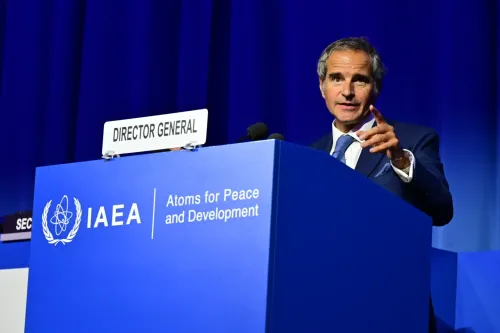
The International Atomic Energy Agency (IAEA) serves as the primary international body responsible for nuclear safety standards, inspections, and safeguard compliance worldwide. The UN specifically cited IAEA cooperation as essential to ensuring that disasters like Chernobyl are never repeated.