UN scales up Gaza health response as rodent infestation hits 83% of sites
Synopsis
Rodent infestations have reached 83 per cent of assessed displacement sites in Gaza, prompting the UN and partners to distribute nine metric tonnes of rodenticides daily. With landfill access blocked in 65 per cent of the strip and the Sheikh Ajleen plant — which once served 700,000 people — still damaged, the humanitarian situation is deteriorating faster than relief operations can compensate.
Key Takeaways
Rodent and ectoparasite infestations were found at 83 per cent of displacement sites assessed in Gaza earlier in July 2025 .
UNDP and partners are distributing nine metric tonnes of rodenticides daily, supplied by the United Arab Emirates .
Solid waste partners cannot reach landfills in approximately 65 per cent of the Gaza strip due to access restrictions.
UNICEF is supporting a new water well in Khan Younis to serve 7,000 people and is helping restore the Sheikh Ajleen plant that once served 700,000 .
About 430,000 children — 56 per cent of the student population — are enrolled in over 600 temporary learning spaces , but nearly half still lack adequate learning access.
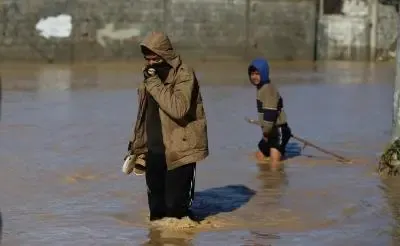
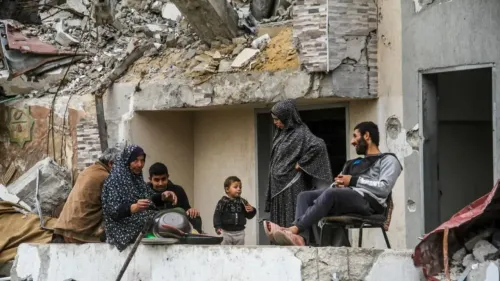
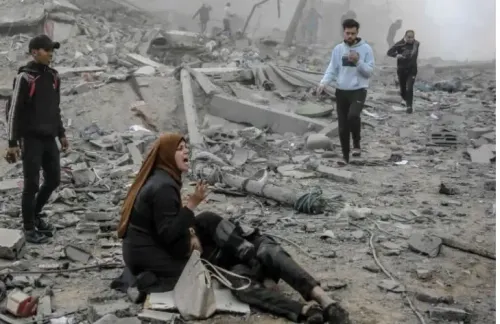
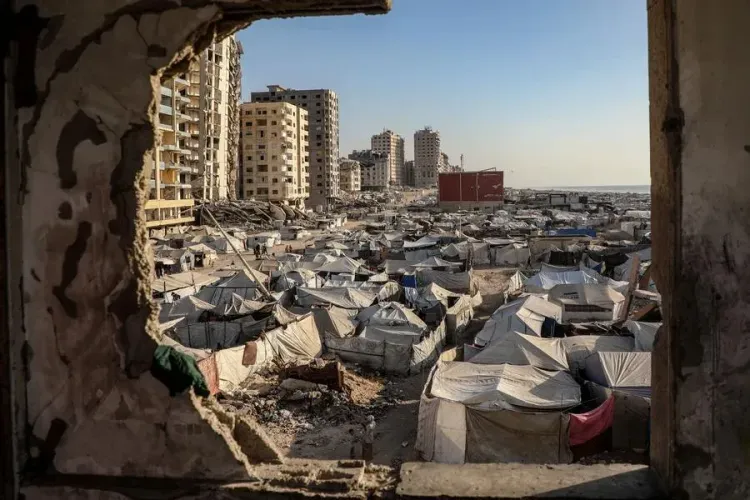
The UN Office for the Coordination of Humanitarian Affairs (OCHA) on Wednesday, 30 July reported that humanitarian agencies and partners are intensifying efforts to contain severe public health risks across Gaza, including widespread rodent and ectoparasite infestations recorded at 83 per cent of displacement sites assessed earlier this month. The crisis is compounded by sewage in streets, stagnant water, and deteriorating sanitation conditions across the territory.
Rodent Control and Sanitation Response
In a direct response to the infestation crisis, humanitarian partners launched a scaled-up rodent control operation this week. The UN Development Programme (UNDP) and partner organisations are distributing nine metric tonnes of rodenticides daily inside Gaza, with supplies brought in by the United Arab Emirates. OCHA stressed that the effort must be sustained to be effective.
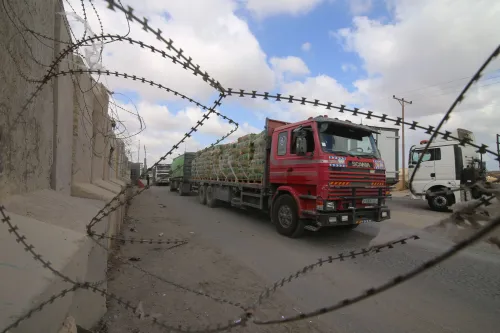
'To reduce public health risks, sustained access to critical equipment and supplies such as spare parts and engine oil is urgently needed,' OCHA said in its statement. The agency also flagged a critical access barrier: partners managing solid waste in Gaza are currently unable to reach landfills in areas where access is restricted, affecting approximately 65 per cent of the strip.
Water and Sanitation Challenges
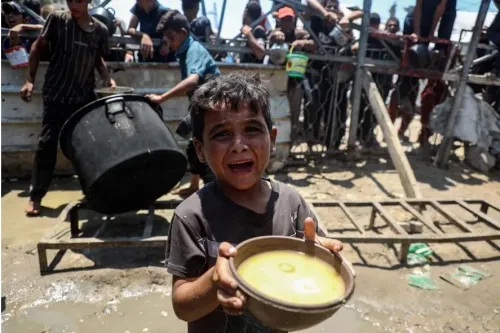
Access to clean water remains a daily struggle for families across Gaza, according to OCHA. Farhan Haq, deputy spokesman for UN Secretary-General Antonio Guterres, said at a regular briefing on Wednesday that in Khan Younis, the UN Children's Fund (UNICEF) is supporting the construction of a central water well expected to benefit approximately 7,000 people.
In Gaza City, UNICEF is also contributing to the clean-up of the Sheikh Ajleen wastewater treatment plant, a facility that served 700,000 people before it was damaged during hostilities. The restoration of this plant is considered a priority given the scale of populations dependent on it.
Children's Education and Learning Access
Beyond the immediate health emergency, Haq noted that the UN Operational Satellite Applications Programme and partners estimated earlier this week that approximately 430,000 kindergarten and school-aged children — around 56 per cent of Gaza's estimated student population — are currently enrolled in more than 600 temporary learning spaces across the territory.
Catch-up programmes are underway in several of these spaces ahead of the new school year. However, Haq cautioned that nearly half of school-aged children in Gaza still lack adequate access to learning opportunities, underscoring the scale of the education disruption.
What Needs to Happen Next
OCHA's assessment makes clear that humanitarian gains remain fragile without unimpeded access. The agency has called on all parties to allow partners to reach restricted zones, particularly for solid waste management and water infrastructure repair. Without consistent supply chains for equipment and chemicals, the rodent control and sanitation drives risk stalling before delivering durable public health improvements across the strip.
Point of View
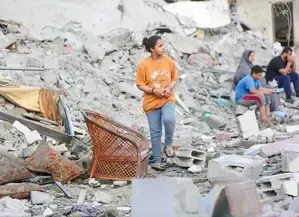
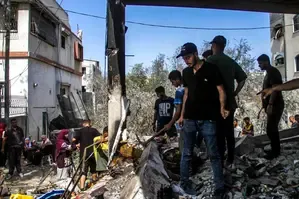
But it treats a symptom; the structural problem is that solid waste cannot reach landfills in nearly two-thirds of the strip. Until access restrictions are lifted, sanitation interventions will remain reactive rather than preventive. The damage to the Sheikh Ajleen plant — which served 700,000 people — illustrates how infrastructure destruction multiplies the humanitarian caseload in ways that take years, not weeks, to reverse.
NationPress
30 Jul 2026
Frequently Asked Questions
What public health risks are UN agencies addressing in Gaza right now?
UN agencies are primarily tackling rodent and ectoparasite infestations, which have been recorded in 83 per cent of assessed displacement sites, alongside sewage overflow, stagnant water, and poor sanitation. Partners are also working to restore water access and repair damaged wastewater infrastructure.
How much rodenticide is being distributed in Gaza, and who is supplying it?
The UNDP and partner organisations are distributing nine metric tonnes of rodenticides daily inside Gaza. The supplies were brought into the territory by the United Arab Emirates as part of the humanitarian response.
Why can't humanitarian workers reach all parts of Gaza for waste management?
According to OCHA, partners managing solid waste in Gaza are not permitted to reach landfills in areas where access is restricted, covering approximately 65 per cent of the strip. The agency has called for this access to be granted urgently.
What is the status of water access for Gaza residents?
Water access remains a daily challenge. UNICEF is supporting construction of a new water well in Khan Younis expected to serve about 7,000 people, and is contributing to the clean-up of the Sheikh Ajleen wastewater treatment plant in Gaza City, which served 700,000 people before being damaged in hostilities.
How many children in Gaza are currently attending school or learning spaces?
Approximately 430,000 kindergarten and school-aged children — about 56 per cent of Gaza's estimated student population — are enrolled in more than 600 temporary learning spaces. However, nearly half of all school-aged children in Gaza still lack adequate access to learning opportunities.