CM Pema Khandu Hails India's 1-2 in Para 100m at CWG 2026
Synopsis
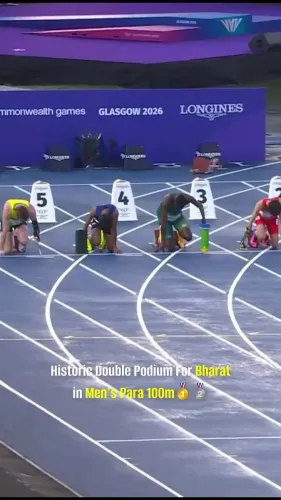
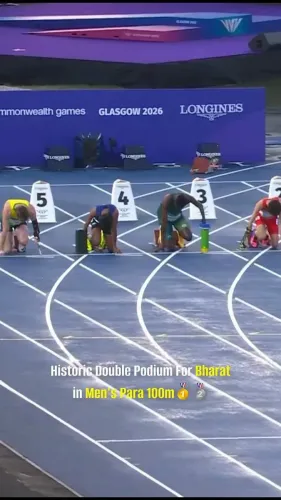
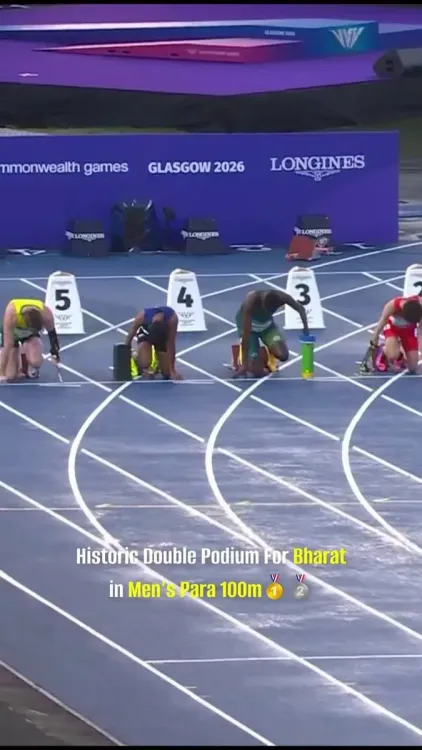
Dilip Mahadu Gavit set a Games Record of 10.71s to win gold in the Men's Para 100m T47 at CWG 2026, becoming the first Indian male para-athlete to win a Commonwealth Games athletics gold. Mohammed Basil added silver in 10.83s, completing a historic 1-2 for India. CM Pema Khandu led the congratulations.
Key Takeaways
Dilip Mahadu Gavit won gold in the Men's Para 100m T47 at the 2026 Commonwealth Games with a Games Record time of 10.71 seconds .
Mohammed Basil claimed silver in 10.83 seconds , giving India a 1–2 finish in the event.
Gavit is the first Indian male para-athlete to win a Commonwealth Games athletics gold medal.
The T47 classification covers athletes with a unilateral upper-limb impairment.
Arunachal Pradesh Chief Minister Pema Khandu publicly congratulated both athletes on 30 July 2026 .
India's para-athletics programme has shown steady international progress since the 2018 Gold Coast Commonwealth Games .
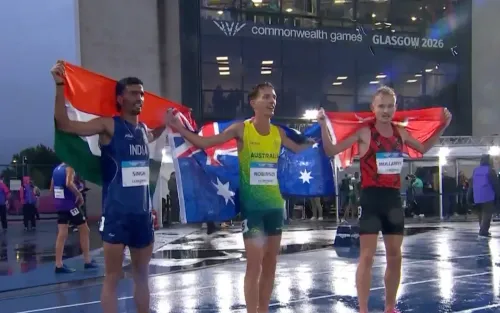
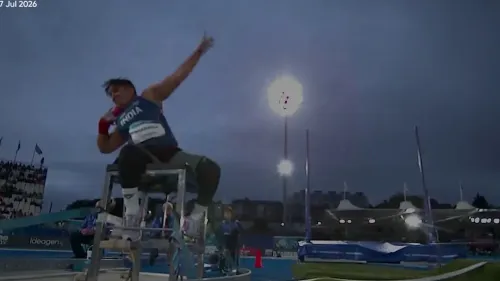
History crossed the finish line in 10.71 seconds. Dilip Mahadu Gavit stormed to gold in the Men's Para 100m T47 event at the 2026 Commonwealth Games, setting a Games Record in the process — and in doing so, became the first Indian male para-athlete to win a Commonwealth Games athletics gold medal. Right behind him, Mohammed Basil claimed silver in 10.83 seconds, sealing a landmark 1–2 finish for India.
Gavit's record run and a slice of history
Arunachal Pradesh Chief Minister Pema Khandu was among the first to mark the moment, posting his congratulations on Thursday, 30 July 2026. 'Dilip's triumph is even more special as he becomes the first Indian male para-athlete to win a Commonwealth Games athletics gold medal,' Khandu wrote, adding: 'A proud 1–2 finish for Bharat. Well done, Champions!'
The T47 classification covers athletes with a unilateral upper-limb impairment — a category that demands explosive sprint mechanics adapted to asymmetric body dynamics. Gavit's 10.71s Games Record signals not just personal brilliance but a measurable leap in India's para-athletics depth.
Basil's silver and the depth behind the gold
Mohammed Basil's 10.83s silver means India did not merely win — it dominated. A national 1–2 in a sprint final at a Commonwealth Games is rare in any category; in para-athletics, it underlines how far India's pipeline has developed. Over the past decade, Indian para-athletes have recorded steady gains at international multi-sport events, backed by national federation support and targeted training programmes.
India's expanded presence in para-sport at the Commonwealth Games traces back to the 2018 Gold Coast Games, which featured a broader slate of para events and gave Indian athletes a bigger stage. The 2026 edition appears to be delivering on the promise that platform created.
What this 1-2 means for India's para-athletics arc
Gavit's gold is a first — but it need not be a last. With Basil demonstrating that the talent behind him is nearly as sharp, India now has a genuine sprint rivalry within its own para-athletics squad. That internal competition is precisely the kind of pressure that produces champions at the Paralympic cycle and beyond.
For Indian sport, the image of two athletes in national colours crossing the line first and second — in a sprint, on a world stage — is the kind of concrete, timestamped proof that investment in para-sport infrastructure is paying off. Champions, indeed.
Point of View
Not just individual outliers. Gavit's historic gold arrives at a moment when India is deliberately positioning para-sport as a pillar of its broader sporting ambition, ahead of the Paralympic cycle. Senior political figures like CM Pema Khandu amplifying these achievements on national platforms reinforces that para-athletes are increasingly central to India's sporting identity. The internal rivalry between Gavit and Basil could become the competitive engine that pushes both men — and the athletes behind them — to faster times on even bigger stages.
NationPress
30 Jul 2026
Frequently Asked Questions
Who is Dilip Mahadu Gavit?
Dilip Mahadu Gavit is an Indian para-athlete who won gold in the Men's 100m T47 event at the 2026 Commonwealth Games with a Games Record time of 10.71 seconds, becoming the first Indian male para-athlete to win a Commonwealth Games athletics gold medal.
What is the T47 classification in para-athletics?
The T47 classification in para-athletics is for athletes with a unilateral upper-limb impairment, meaning they have an affected or absent limb on one side, which requires adapted sprint technique.
What did Mohammed Basil win at CWG 2026?
Mohammed Basil won the silver medal in the Men's Para 100m T47 event at the 2026 Commonwealth Games, finishing in 10.83 seconds to complete a historic 1-2 finish for India alongside gold medallist Dilip Mahadu Gavit.
Why is Dilip Gavit's gold medal historic?
Dilip Gavit's gold is historic because he became the first Indian male para-athlete to win a Commonwealth Games athletics gold medal, while also setting a new Games Record of 10.71 seconds in the Men's Para 100m T47 event.
What did Pema Khandu say about India's CWG 2026 para-athletics result?
Arunachal Pradesh Chief Minister Pema Khandu congratulated both Dilip Mahadu Gavit and Mohammed Basil, describing Gavit's triumph as 'even more special' given its historic nature and calling the result 'a proud 1-2 finish for Bharat.'