UN chief welcomes Aung San Suu Kyi's shift from prison to house arrest
Synopsis
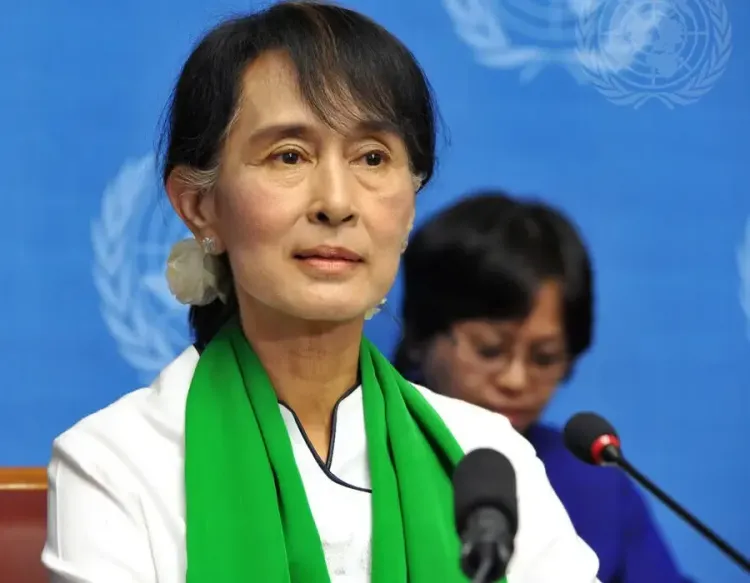
After years in prison under a junta-imposed 27-year sentence, Aung San Suu Kyi has been moved to house arrest — a shift the UN calls meaningful but stops well short of the full release it has demanded. With Myanmar's military now holding a newly elected president and over 4,300 political prisoners freed around the New Year, the question is whether this is genuine political thaw or carefully managed optics.
Key Takeaways
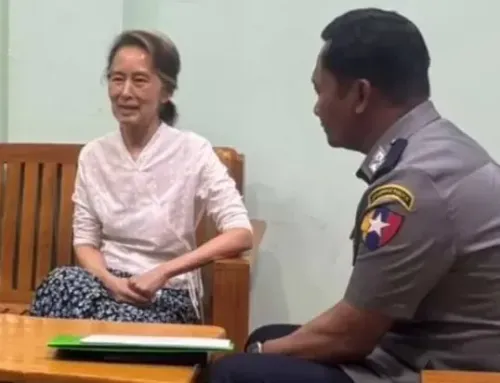
Aung San Suu Kyi has been transferred from Nay Pyi Taw Prison to house arrest, confirmed on 1 May 2025 .
UN Secretary-General António Guterres called the move a "meaningful step" toward a credible political process.
Suu Kyi's original 33-year sentence was reduced to 22 years and six months through successive commutations, with a further one-sixth reduction last month.
Former civilian president Win Myint was released on 17 April along with approximately 4,300 political prisoners.
The UN does not recognise the military regime; Kyaw Moe Tun , envoy of the ousted civilian government, continues to officially represent Myanmar at the UN.
UN Special Envoy Julie Bishop has been engaging regional governments, including India, to find a path to restoring democracy.
United Nations Secretary-General António Guterres has expressed appreciation for the Myanmar military's decision to transfer detained former leader Aung San Suu Kyi from Nay Pyi Taw Prison to house arrest, calling it a meaningful step toward a credible political process. The development was confirmed on Thursday, 1 May by UN Spokesperson Stéphane Dujarric.
What the UN Said
Point of View
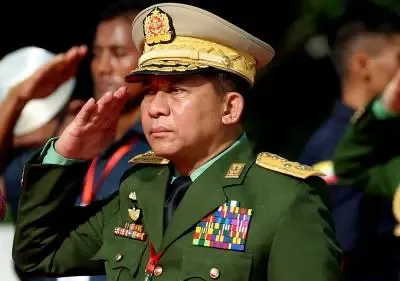
Not 'praise' — signals cautious optimism rather than endorsement. Moving Suu Kyi from prison to house arrest is a tactical concession by the junta, not a structural shift: she remains detained, her party the National League for Democracy was excluded from the elections that legitimised the new president, and the military's grip on state institutions is unchanged. The release of 4,300 prisoners and the elevation of senior general Min Aung Hlaing to the presidency suggest the junta is managing its international image ahead of potential diplomatic engagement — not dismantling its hold on power. The UN's continued recognition of the ousted civilian envoy Kyaw Moe Tun is the real signal of where multilateral legitimacy still sits.
NationPress
21 Sept 2026
Frequently Asked Questions
Why was Aung San Suu Kyi moved from prison to house arrest?
The Myanmar military government announced the transfer of Aung San Suu Kyi from Nay Pyi Taw Prison to house arrest as part of a sentence commutation ordered by newly elected President Win Myint. The move follows a series of reductions to her original 33-year sentence, which now stands at 22 years and six months with a further one-sixth commutation applied last month.
What did the UN say about Aung San Suu Kyi's house arrest?
UN Secretary-General António Guterres, through Spokesperson Stéphane Dujarric, said the UN 'appreciates' the commutation and described it as 'a meaningful step towards conditions conducive to a credible political process.' However, the UN has continued to call for the swift release of all political prisoners.
Who is Julie Bishop and what is her role in Myanmar?
Julie Bishop, a former Foreign Minister of Australia, was appointed as UN Secretary-General Guterres' Special Envoy for Myanmar in 2024. She has been engaging with the military junta and leaders of neighbouring countries, including India, to find a path toward restoring democracy in Myanmar.
Does the UN recognise Myanmar's military government?
No. The UN does not recognise the military regime that seized power in the 2021 coup. Kyaw Moe Tun, the permanent representative of the ousted civilian government, continues to officially represent Myanmar at the United Nations.
What is the current status of Aung San Suu Kyi's sentence?
Aung San Suu Kyi was originally sentenced to 33 years by the military junta following the 2021 coup. Successive reductions brought the term down to 22 years and six months, with an additional one-sixth commutation applied last month, resulting in her transfer from prison to house arrest.