UN Security Council renews UNMISS mandate, cuts troop ceiling to 12,500
Synopsis
The UN Security Council has slashed UNMISS's troop ceiling by nearly 26% — from 17,000 to 12,500 — as it renewed the South Sudan mission's mandate for another year. China and Russia's abstentions and the omission of women, peace, and climate language signal deepening fault lines over how the West and major powers define peacekeeping priorities.
Key Takeaways
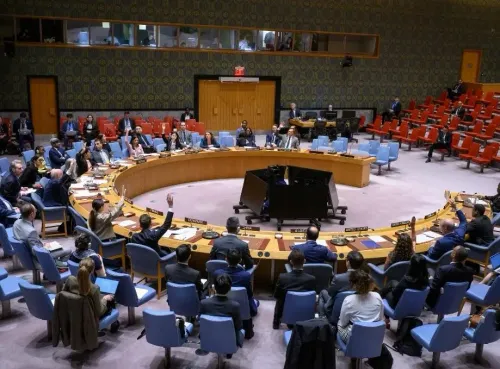
The UN Security Council adopted Resolution 2820 on 1 May 2025 , renewing UNMISS 's mandate until 30 April 2027 .
The troop ceiling was cut from 17,000 to 12,500 personnel — a reduction of nearly 26% ; the police ceiling remains at 2,101 .
The resolution passed 13–0 with China and Russia abstaining, citing objections to troop cuts and perceived pressure on South Sudan's government.
EU4 members strongly opposed the omission of language on women, peace and security , climate change , and children and armed conflict .
The Council has signalled readiness to further adjust force levels based on security conditions and the transitional government's cooperation.
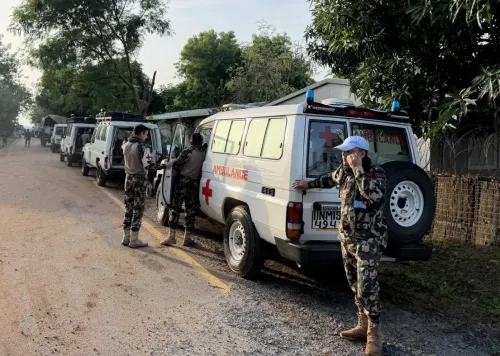
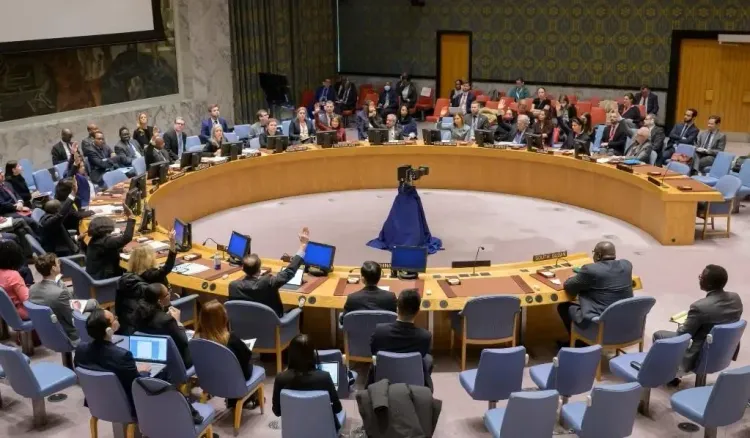
The United Nations Security Council on 1 May 2025 adopted Resolution 2820, renewing the mandate of the UN Mission in South Sudan (UNMISS) for one year until 30 April 2027, while reducing the troop ceiling from 17,000 to 12,500 personnel. The police ceiling remains unchanged at 2,101 personnel.
How the Vote Unfolded
Resolution 2820 passed with the support of 13 of the 15 Security Council members. China and Russia abstained, with both nations expressing regret over what they described as the United States' handling of the draft resolution. The US, as the penholder on South Sudan, reportedly sought to streamline UNMISS's mandate in line with its stated priorities.
In their explanations of the vote, Chinese and Russian representatives said they supported extending UNMISS's mandate in principle but could not agree on the troop reduction or on language they characterised as exerting pressure on the South Sudanese transitional government.
Key Divisions Within the Council
Divergences emerged among Council members on several fronts, according to reports. These included disagreements over the overall strategic direction of UNMISS's mandate, the mission's role in supporting South Sudan's peace process, and proposed reductions in the mission's capacity, resources, and tasks. Notably, the omission of language on thematic areas — including women, peace and security (WPS), climate change, and children and armed conflict (CAAC) — drew strong objections. The EU4 members of the Council reportedly coordinated closely and submitted joint comments, strongly advocating for the retention of these provisions.
What the Resolution Provides
The resolution expresses the Security Council's readiness to consider further adjustments to UNMISS force levels and mandated tasks, based on security conditions on the ground and the transitional government's cooperation with the mission, according to Xinhua news agency. The initial US draft had framed UNMISS's mandate around preventing a return to civil war and the escalation of violence in South Sudan. It also indicated that the Council would continually assess its support for the mission based on progress — or lack thereof — in the protection of civilians, facilitation of humanitarian access, and improvements in the political and security environment.
Background and What's Next
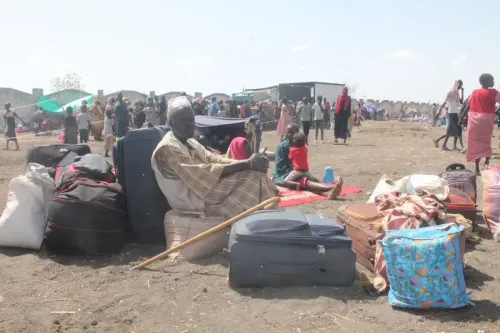
South Sudan, which gained independence in 2011, has been grappling with recurring cycles of conflict and fragile peace agreements. UNMISS has been a cornerstone of international efforts to stabilise the country, and any reduction in its operational capacity is closely watched by humanitarian organisations and regional actors alike. With the troop ceiling cut by nearly 26%, questions remain about whether the mission can sustain its civilian protection mandate at current operational levels. The Council's stated willingness to reassess force levels based on ground conditions suggests the situation will remain under active review through 2027.
Point of View
Combined with the EU4's coordinated pushback on gender and climate language, expose a Security Council increasingly unable to agree on what peacekeeping is actually for. Stripping WPS and CAAC provisions from a mandate in a country with documented conflict-related sexual violence is not a neutral editorial choice — it is a policy signal. The real risk is that a leaner UNMISS becomes a liability rather than an asset if violence escalates before the 2027 review.
NationPress
20 Sept 2026
Frequently Asked Questions
What is Resolution 2820 and what does it do?
Resolution 2820 is a UN Security Council resolution adopted on 1 May 2025 that renews the mandate of the UN Mission in South Sudan (UNMISS) for one year until 30 April 2027. It also reduces the mission's troop ceiling from 17,000 to 12,500 personnel while keeping the police ceiling unchanged at 2,101.
Why did China and Russia abstain from the UNMISS vote?
China and Russia said they supported extending UNMISS's mandate in principle but objected to the reduction in the troop ceiling and to language they viewed as exerting pressure on South Sudan's transitional government. Both nations expressed regret over how the US, as penholder, handled the draft resolution.
What language was dropped from the UNMISS resolution?
The resolution reportedly omitted references to women, peace and security (WPS), climate change, and children and armed conflict (CAAC) — thematic areas that EU4 Council members strongly advocated to retain through coordinated joint comments.
How significant is the troop ceiling reduction for UNMISS operations?
The cut reduces UNMISS's authorised troop strength by nearly 26%, from 17,000 to 12,500 personnel. Humanitarian organisations and regional observers have raised concerns about whether the mission can sustain its civilian protection mandate at reduced capacity, particularly given South Sudan's fragile security environment.
What happens next with the UNMISS mandate?
The Security Council has expressed readiness to consider further adjustments to UNMISS force levels and tasks based on security conditions on the ground and the South Sudanese transitional government's level of cooperation with the mission. The mandate runs until 30 April 2027.