Brazil, Mexico, and Spain Call for Urgent Action on Cuba's Humanitarian Crisis
Synopsis
In a joint statement, Brazil, Mexico, and Spain raise alarms over Cuba's humanitarian crisis, calling for immediate action and respect for international law to alleviate the suffering of the Cuban people.
Key Takeaways
Brazil, Mexico, and Spain express concern over the humanitarian crisis in Cuba.
They urge actions to improve living conditions and adhere to international law.
The nations emphasize the need for a coordinated humanitarian response.
Fuel shortages in Cuba have worsened due to U.S. actions.
Dialogue and respect for human rights are essential for resolving the crisis.
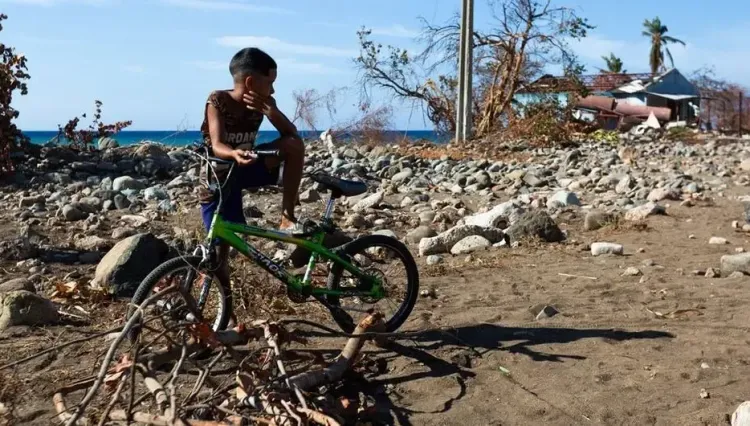
Madrid, April 19 (NationPress) The authorities of Brazil, Mexico, and Spain voiced significant apprehension regarding the critical humanitarian situation confronting the Cuban populace, urging immediate actions to alleviate the hardship, as stated in a joint declaration released by the Spanish Foreign Ministry's website.
On Saturday, the three nations also called upon relevant stakeholders to refrain from actions that could exacerbate the population's living conditions or infringe upon international law. They committed to enhancing their humanitarian efforts in a coordinated fashion to mitigate the suffering of the Cuban citizens, as reported by Xinhua news agency.
In their statement, Brazil, Spain, and Mexico emphasized the importance of adhering to international law at all times, alongside the principles of territorial integrity, sovereign equality, and the peaceful resolution of disputes as outlined in the United Nations Charter.
Furthermore, they reaffirmed their dedication to human rights, democratic ideals, and multilateralism, advocating for an open and respectful dialogue consistent with international law and the UN Charter's principles.
This dialogue is intended to seek a sustainable resolution to the ongoing crisis, ensuring that the Cuban population can freely determine their future.
Recent reports indicate that fuel shortages in Cuba have intensified following U.S. actions at the end of January to obstruct oil shipments to the island nation, according to the United Nations.
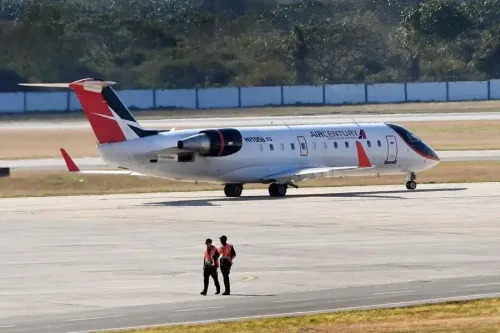
Despite the limited arrival of fuel supplies, including a recent shipment from Russia that was permitted to dock by the United States amidst the blockade last week, the humanitarian crisis remains acute and persistent, as highlighted by the leading UN official in Cuba. The energy shock's effects have reportedly intensified since late March.
The humanitarian situation has reached a critical juncture, following three months of insufficient fuel to satisfy the Caribbean nation's energy requirements, which had primarily been sourced from Venezuela until the U.S. rendition of President Nicolas Maduro in January.
Point of View
I recognize the gravity of the humanitarian crisis in Cuba, emphasizing the urgent need for international collaboration to address the suffering of its people. The commitment from Brazil, Mexico, and Spain reflects a crucial step toward fostering dialogue and respecting human rights.
NationPress
19 Sept 2026
Frequently Asked Questions
What prompted Brazil, Mexico, and Spain to make a statement about Cuba?
The governments expressed concern over the severe humanitarian crisis affecting the Cuban people and urged actions to alleviate the situation.
What principles did the three countries emphasize in their statement?
They stressed the importance of adhering to international law, respect for territorial integrity, and the peaceful resolution of conflicts.
What is the current humanitarian situation in Cuba?
Cuba is facing critical fuel shortages and a humanitarian crisis exacerbated by recent U.S. measures to block oil supplies.
How are Brazil, Mexico, and Spain planning to help Cuba?
The three nations pledged to enhance their humanitarian response in a coordinated manner to alleviate the suffering of the Cuban population.
What role does international dialogue play in this situation?
The countries called for sincere and respectful dialogue aimed at finding a lasting solution to the crisis, allowing the Cuban people to decide their own future.