What are the Concerns in the US Regarding Afghan Allies Awaiting Resettlement?
Synopsis
As the US government faces scrutiny over the fate of Afghan allies pending relocation, lawmakers are demanding clarity on voluntary return payments and the future of a processing facility. This unfolding crisis raises pressing questions about the administration's commitment to its Afghan partners and the humanitarian implications of its policies. What will happen next?
Key Takeaways
US lawmakers are concerned about Afghan allies' fate.
State Department plans to close a processing facility by March.
Over 1,000 Afghans are awaiting relocation.
Financial incentives for voluntary departures are under scrutiny.
The US is committed to supporting the education of Afghan women and girls.
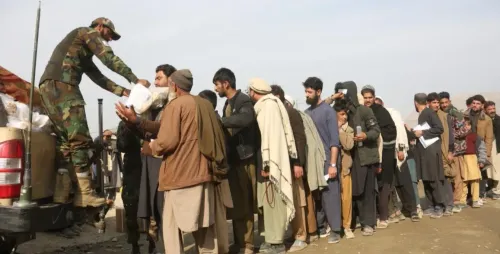
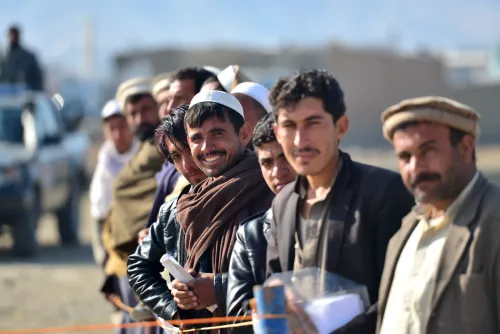
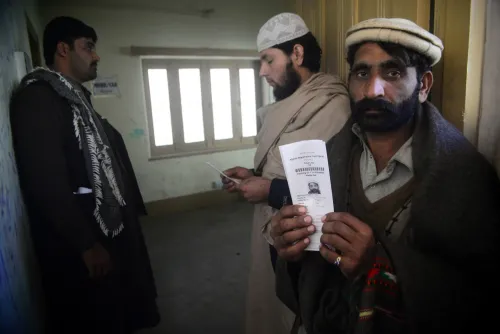
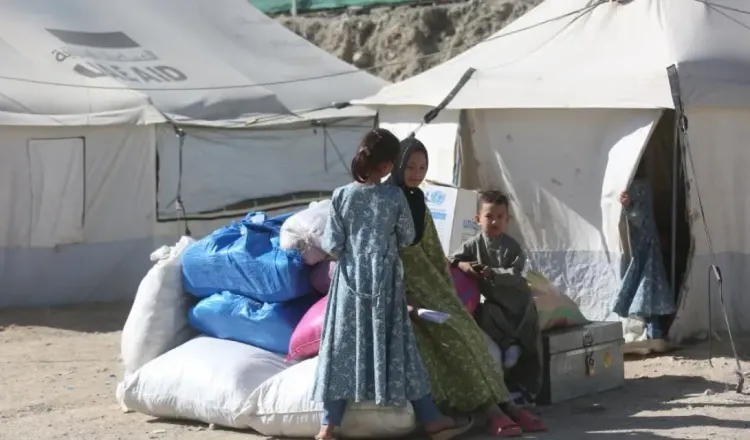
Washington, Feb 12 (NationPress) Concerns are escalating among US lawmakers regarding the fate of Afghan allies who are still awaiting resettlement. They urged the State Department to clarify the situation concerning payments for voluntary departures and the impending closure of a processing center that currently accommodates over 1,000 Afghans.
During a subcommittee hearing on South and Central Asia held on Wednesday (local time), Assistant Secretary of State for South and Central Asian Affairs Paul Kapur faced tough inquiries regarding US policies impacting Afghans who remain in a state of uncertainty.
The State Department has plans to “shut down” the relocation facility at CAS by the end of March and transfer “over 1,000 Afghans to third countries,” according to Democratic Ranking Member Sydney Kamlager-Dove, who characterized the predicament as “a living nightmare” for those still in limbo.
Kapur confirmed these figures, stating, “There are between 1,100 and 1,200 Afghans at the CAS facility, and we are actively seeking to relocate them.”
He also noted that they are in discussions with third nations to facilitate this process, asserting that indefinite stays at CAS are not sustainable. “It is not humane to keep them indefinitely at CAS,” Kapur added.
Lawmakers raised concerns about reports suggesting the department is offering financial incentives for voluntary departures. Kamlager-Dove expressed her discontent, claiming that the State Department “is incentivizing Afghan allies to self-deport back to the Taliban,” and inquired about the number of individuals who have accepted such offers.
“I believe it’s around 150,” Kapur replied, promising to verify the exact figures.
He stressed that these returns are not enforced. “We are not forcibly repatriating Afghans to Afghanistan; some have chosen to return voluntarily, but we are not coercing anyone,” he said.
The hearing also delved into congressional oversight regarding the relocation process, highlighting a law that Congress passed in 2024 mandating the appointment of a coordinator for Afghan relocation efforts.
When asked if he is fulfilling that role, Kapur clarified: “I am the Assistant Secretary for South and Central Asia, and the Afghan Affairs Office operates under SCA.”
“I now have that responsibility within the structure,” he added.
Kamlager-Dove called for increased transparency and regular updates for members and staff, cautioning that the administration's treatment of Afghan allies will significantly influence its legacy.
“The betrayal of our Afghan allies” is labeled “one of the great moral catastrophes of this administration,” she remarked, noting that this issue will endure in historical memory.
Subcommittee Chair Bill Huizenga also inquired about the ongoing review of broader Afghanistan policy, which he referred to as an “ongoing process.”
Kapur reiterated that the review is ongoing and involves multiple agencies, adding that he will strive to remain “as transparent and open as possible.”
This exchange illustrates the persistent tensions in Washington regarding the aftermath of the 2021 withdrawal and the treatment of Afghans who collaborated with US forces.
Lawmakers further expressed their worries about the status of women and girls in Afghanistan, particularly regarding educational access. Kapur affirmed that the United States “supports the education of women and girls just as much as that of boys and men.”
This discussion arises as the administration adjusts its strategy for South and Central Asia, weighing regional security concerns against humanitarian responsibilities.
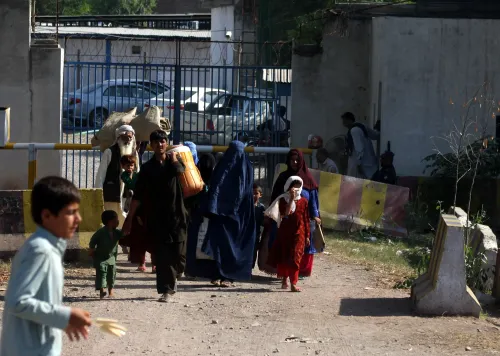
In the wake of the 2021 US withdrawal from Afghanistan and the Taliban’s resurgence, thousands of Afghans who aided American forces have sought relocation through special visa and resettlement programs.
Point of View
I firmly believe that the plight of Afghan allies should be a priority for the US government. The ongoing uncertainty surrounding their resettlement is an issue that demands immediate attention and action. Upholding our commitments to those who supported our mission is not only a moral obligation but also a reflection of our values as a nation. We must ensure transparency and efficiency in the relocation process to restore trust and provide safety to these individuals who risked everything.
NationPress
3 Oct 2026
Frequently Asked Questions
What is the current status of Afghan allies awaiting resettlement?
Afghan allies awaiting resettlement are still in limbo, with over 1,000 currently housed at a processing facility that the State Department plans to close by the end of March. Negotiations are ongoing for their relocation to third countries.
Is the US government offering financial incentives for voluntary departures?
Yes, reports indicate that the State Department is offering payments for voluntary departures, although there are concerns about the implications of this policy.
Are Afghan allies being forced to return to Afghanistan?
No, Assistant Secretary Paul Kapur stated that the US is not forcibly repatriating Afghans; some are choosing to return voluntarily.
What measures are being taken to ensure the safety of Afghan allies?
The US Congress has mandated the appointment of a coordinator for Afghan relocation efforts and is advocating for greater transparency and oversight of the process.
What are the implications for women and girls in Afghanistan?
Lawmakers have raised concerns about the educational access for women and girls in Afghanistan, and the US has reaffirmed its commitment to supporting their right to education.