US Assistant Secretary of State Engages with Nepal's Leaders
Synopsis
Paul Kapur, the US Assistant Secretary of State, is on a pivotal visit to Nepal, engaging with political and business leaders to strengthen ties and explore opportunities in the ICT sector amidst rising concerns over Chinese technology.
Key Takeaways
Paul Kapur has initiated discussions with Nepal's leadership.
Focus on enhancing US-Nepal relations in the ICT sector.
Concerns about the adoption of Chinese 5G technology .
The RSP holds a significant position in the new government.
Meetings aim to strengthen economic and cultural ties.
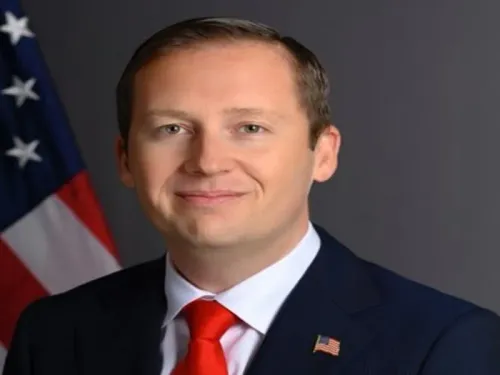
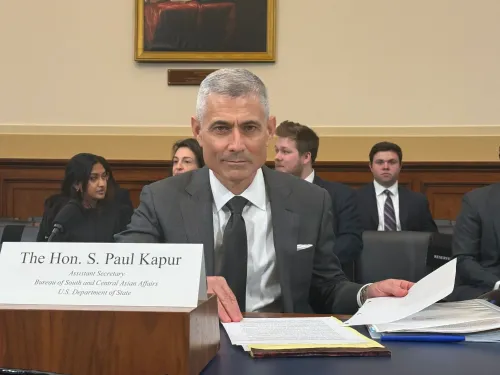
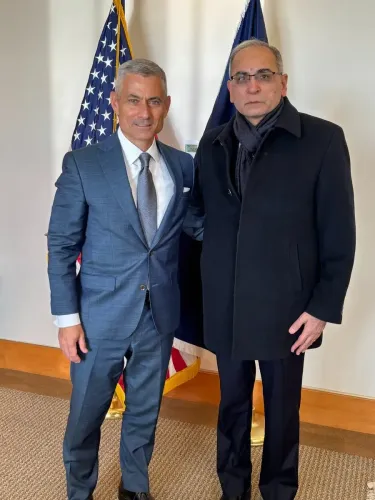
Kathmandu, April 20 (NationPress) - The US Assistant Secretary of State for South and Central Asia, Paul Kapur, arrived in Kathmandu on Monday and has commenced discussions with key political and business figures in Nepal.
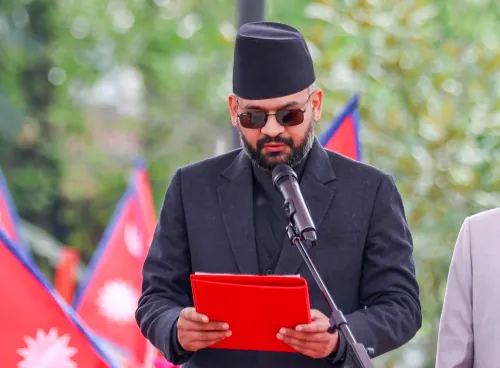
This marks the first visit by a high-ranking US official since the establishment of a new government in Nepal led by Prime Minister Balendra Shah on March 27, following the elections held on March 5.
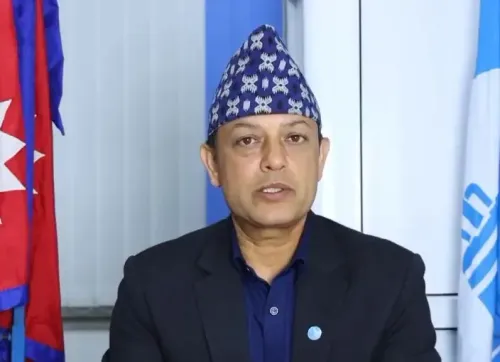
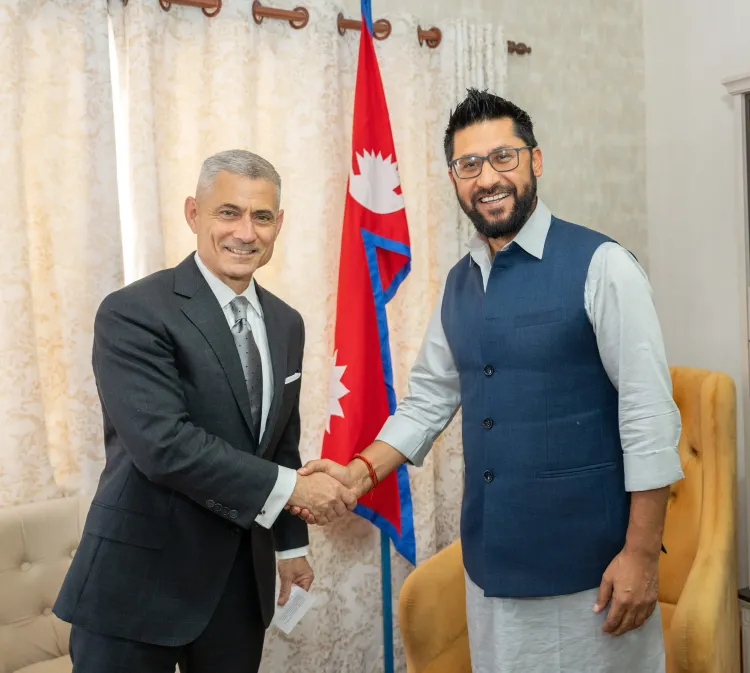
On his first day, Kapur engaged with Rabi Lamichhane, the President of the Rastriya Swatantra Party (RSP). The US Bureau of South and Central Asian Affairs shared on X, "Great to meet RSP Chair Rabi Lamichhane here in Kathmandu to learn about RSP’s priorities in the new government and discuss areas for US-Nepal cooperation," quoting Kapur.
The RSP, currently the dominant political party in Nepal, holds nearly a two-thirds majority in the House of Representatives, with its leader, Shah, at the helm of the government. The party has not disclosed the specifics of the talks between Lamichhane and the US Assistant Secretary of State.
In addition, the US Bureau indicated that Kapur met with various business leaders from Nepal’s Information and Communication Technology (ICT) sector. He noted, "Important discussions with industry leaders about expanding US business opportunities in Nepal's ICT sector. We also discussed ways to enhance digital infrastructure, AI integration, cybersecurity, and sharing US technological expertise," as quoted by the bureau.
The United States has shown a growing interest in Nepal's digital infrastructure and has voiced concerns regarding the potential implementation of Chinese 5G technology.
Chinese firm Huawei has been the primary supplier of 4G equipment for Nepal’s telecom infrastructure, and the nation has yet to transition to 5G technology. The US also remains the largest market for Nepal’s ICT services.
According to the US Embassy in Nepal, Kapur is actively engaging with senior government officials, business leaders, and cultural experts to further reinforce the US-Nepal partnership.
Point of View
The meetings between US Assistant Secretary of State Paul Kapur and Nepal's leaders signify a strategic effort to strengthen diplomatic and economic ties, especially in the context of increasing global technological competition.
NationPress
19 Sept 2026
Frequently Asked Questions
What is the significance of Kapur's visit to Nepal?
Kapur's visit is the first by a senior US official since the new government was formed, aiming to strengthen US-Nepal relations.
What discussions took place regarding the ICT sector?
Kapur met with business leaders to explore US business opportunities in Nepal's ICT sector and discussed enhancing digital infrastructure.
How does the US view Chinese technology in Nepal?
The US has expressed concerns over the potential adoption of Chinese 5G technology in Nepal.
What is the Rastriya Swatantra Party?
The Rastriya Swatantra Party is currently the largest political party in Nepal, holding a significant majority in the House of Representatives.