US 'Maritime Freedom Construct': White House builds Hormuz coalition
Synopsis
The White House is quietly assembling a new multilateral maritime coalition to secure the Strait of Hormuz — even as Trump's naval blockade on Iran enters its eighth week with no deal in sight. With Tehran threatening 'unprecedented' retaliation and global energy prices climbing, the MFC may be Washington's most consequential diplomatic gamble of the year.
Key Takeaways
The White House is recruiting foreign governments for a "Maritime Freedom Construct" (MFC) to secure shipping through the Strait of Hormuz .
The MFC, outlined in an internal State Department cable sent Tuesday , would combine diplomatic coordination, intelligence sharing, and sanctions enforcement.
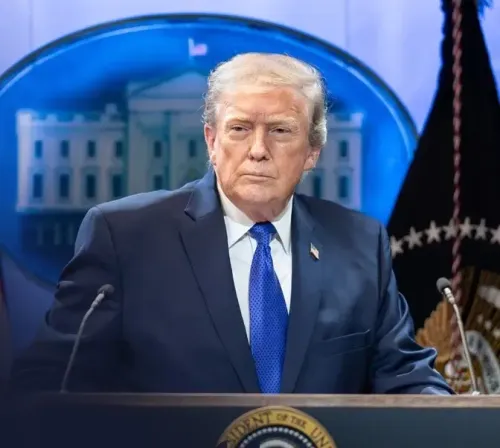
President Trump confirmed he will maintain the US naval blockade on Iranian ports until Tehran agrees to a nuclear deal.
A senior Iranian security source warned the blockade will be met with "practical and unprecedented action." Strait of Hormuz traffic has hit its lowest level since US-Israel strikes on Iran on 28 February .
Some US officials reportedly believe the eight-week conflict could end without a nuclear deal or renewed war.
The White House is pressing foreign governments to join a new US-led maritime coalition aimed at securing commercial shipping through the Strait of Hormuz, according to an internal State Department cable reviewed by The Wall Street Journal (WSJ). The initiative, dubbed the "Maritime Freedom Construct" (MFC), was outlined in a cable sent to US embassies on Tuesday, urging American diplomats to recruit partner nations amid an escalating standoff with Iran.
What the Maritime Freedom Construct Proposes
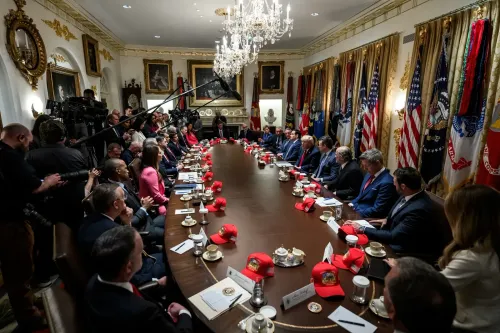
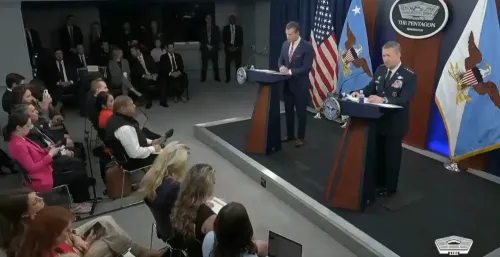
According to the cable, the MFC would be a joint effort between the US State Department and US Central Command. The State Department "will serve as the diplomatic operations hub," while Central Command "will provide real-time maritime domain awareness" for commercial shipping and coordinate information sharing between partner militaries, the WSJ reported.
The new coalition would share intelligence, coordinate diplomatically, and enforce sanctions. US officials have been instructed to ask foreign counterparts whether they wish to be a "diplomatic and/or military partner." The cable states: "Your participation will strengthen our collective ability to restore freedom of navigation and protect the global economy."
The MFC is also described as complementary to existing security frameworks. "The MFC would be complementary to other security maritime task forces, including the maritime planning effort the UK and France are leading," the cable reads.
The Hormuz Standoff and Its Stakes
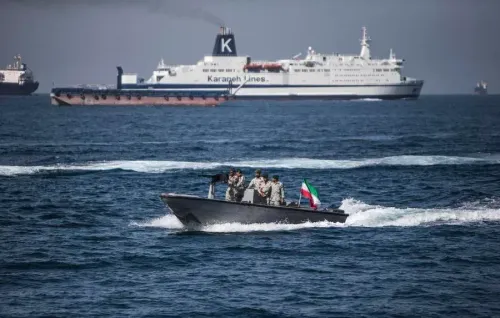
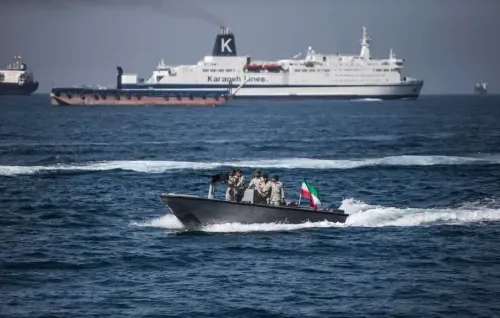
The Strait of Hormuz — through which a significant share of the world's seaborne oil passes — has become a central flashpoint in stalled US-Iran negotiations. Iran is reportedly targeting vessels that do not pay transit fees to exit the strait, while the US Navy has imposed a sweeping blockade on all ships bound to or from Iranian ports.
The standoff has pushed up global energy prices and weighed on US President Donald Trump's poll numbers, the WSJ reported. Traffic through the Strait has fallen to its lowest level since the United States and Israel launched large-scale strikes on Iran on 28 February.
Trump's Position on the Naval Blockade
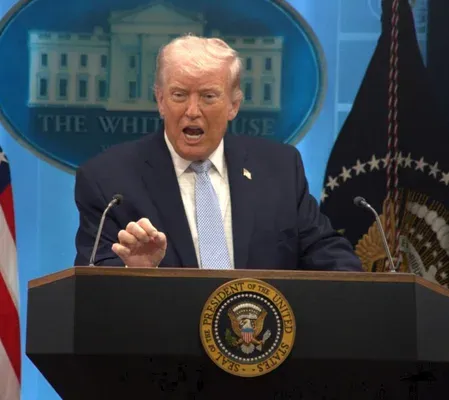
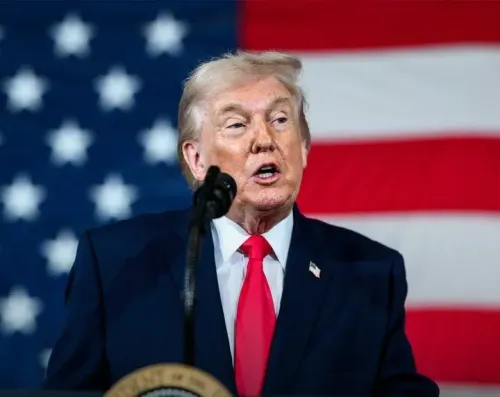
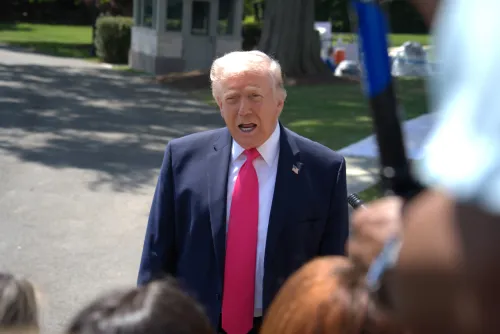
President Trump said on Wednesday that he intends to maintain the naval blockade until Tehran agrees to a deal centring on its nuclear programme. "The blockade is somewhat more effective than the bombing," Trump told US online media Axios in a phone interview.
A senior Iranian security source warned on the same day that the blockade "will soon be met with practical and unprecedented action," raising the spectre of a further escalation in the Persian Gulf.
Political Fallout and Uncertain Path Forward
The prolonged blockade is reportedly dimming Republican midterm prospects and has divided US officials on strategy. According to the WSJ, some US officials now believe the eight-week conflict could conclude without either a nuclear deal or a renewed military exchange — an outcome that would leave the Strait's status unresolved.
With the MFC still in its diplomatic outreach phase and Iran signalling defiance, the coming weeks will test whether Washington can assemble enough multilateral pressure to shift the calculus in Tehran.
Point of View
Wary of Iranian retaliation and mindful of their own energy exposure, will sign up in meaningful numbers or offer only symbolic backing. History suggests that US-led maritime coalitions in the Gulf attract headline endorsements and limited operational commitment. If Tehran follows through on its 'unprecedented action' threat, the MFC could be tested before it is even formally constituted.
NationPress
18 Sept 2026
Frequently Asked Questions
What is the Maritime Freedom Construct (MFC)?
The Maritime Freedom Construct is a proposed US-led international coalition aimed at securing commercial shipping through the Strait of Hormuz. It would combine diplomatic coordination between the State Department and US Central Command with real-time maritime intelligence sharing and sanctions enforcement among partner nations.
Why is the Strait of Hormuz under threat?
Iran is reportedly targeting vessels that do not pay transit fees to leave the strait, while the US Navy has imposed a blockade on all ships going to or from Iranian ports. The standoff has sharply reduced traffic through the Strait and pushed global energy prices higher.
What has President Trump said about the naval blockade on Iran?
President Trump stated on Wednesday that he will maintain the naval blockade until Iran agrees to a deal on its nuclear programme, telling Axios: 'The blockade is somewhat more effective than the bombing.'
How has Iran responded to the US blockade?
A senior Iranian security source warned on Wednesday that the US naval blockade 'will soon be met with practical and unprecedented action,' signalling potential escalation in the Persian Gulf.
What happens if no deal is reached?
According to the WSJ, some US officials believe the eight-week conflict could end without either a nuclear deal or a renewed military confrontation, leaving the Strait of Hormuz's status unresolved and global energy markets in prolonged uncertainty.