US charges 28 green card holders in California voter fraud case
Synopsis
The Trump administration escalated its election-integrity campaign on Monday, charging 28 green card holders in California with fraudulent voter registration and filing a lawsuit after the state refused to quarantine ballots from over 20,000 flagged registrants — setting up a high-stakes federal–state legal battle just weeks before the November elections.
Key Takeaways
28 lawful permanent residents in California were charged on 19 October 2026 with fraudulent voter registration and making false statements in citizenship applications.
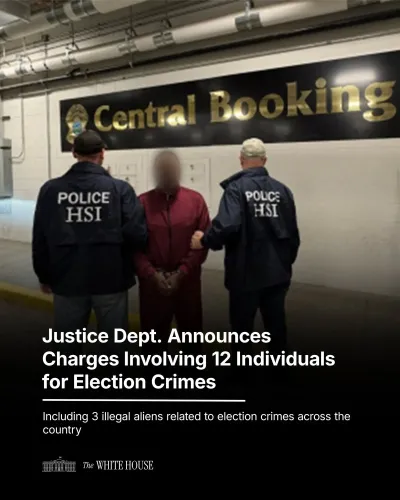
11 defendants were arrested in a statewide operation called 'Operation Protect the Vote' , coordinated across all four federal prosecutors' offices in California.
Each offence carries a statutory maximum of five years in federal prison; allegations have not been proven in court.
The Trump administration identified more than 20,000 likely noncitizens on California voter rolls and filed a lawsuit after the state declined to quarantine their mail-in ballots.
Federal authorities provided California with the list on 13 October ; the state's refusal to act prompted the legal challenge ahead of the November elections .
Federal prosecutors in California on Monday, 19 October 2026, announced criminal charges against 28 lawful permanent residents accused of illegally registering to vote in American elections, with 11 of them arrested in a coordinated statewide sweep. The operation has sharpened an already bitter dispute between the Trump administration and California state officials over voter eligibility ahead of the November elections.
What the Charges Allege
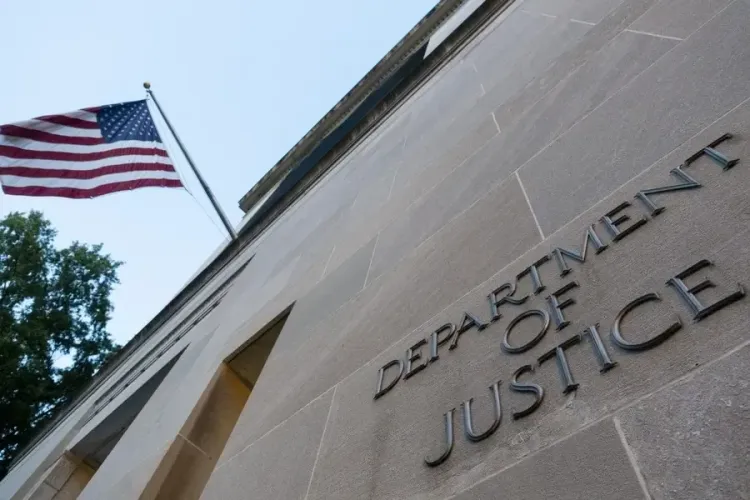
The US Department of Justice said the defendants — all foreign nationals holding green cards — face charges including fraudulent voter registration and making false statements in applications for US citizenship. According to the US Attorney's Office for the Central District of California, the defendants allegedly declared themselves American citizens on voter registration forms despite not holding US citizenship.
Prosecutors further alleged that several defendants subsequently cast ballots in US elections and later denied having registered or voted when applying for naturalisation. Each offence carries a statutory maximum penalty of five years in federal prison. It must be noted that the allegations have not been proven in court.
Operation Protect the Vote
The arrests were carried out under an initiative called 'Operation Protect the Vote', coordinated across all four federal prosecutors' offices in California. The 11 people arrested on Monday were expected to make their initial appearances in federal court later in the day. Prosecutors confirmed that no pleas would be entered during those initial proceedings.
Lawful permanent residents are legally authorised to live and work in the United States but are generally prohibited from voting in federal elections. Voting unlawfully or making false declarations about citizenship can carry serious criminal and immigration consequences under US law.
The Federal–California Standoff
The arrests came alongside a separate confrontation between federal authorities and California over voter registration records. On 13 October, federal authorities provided California officials with a list of individuals and requested that their mail-in ballots be set aside pending citizenship verification.
California reportedly declined to act on the request, prompting the federal government to file a lawsuit seeking judicial intervention. Acting Deputy Attorney General Trent McCotter said the 28 defendants were among more than 20,000 people whom federal authorities had identified as likely noncitizens on California's voter rolls.
'Each of the 28 defendants charged today appears on the list of more than 20,000 likely noncitizen registrants we provided to California election officials last week,' McCotter said, calling on California to verify citizenship status before mail-in ballots were counted.
California Officials Push Back
First Assistant US Attorney Bill Essayli accused California officials of failing to comply with federal election requirements. 'California is mailing ballots to noncitizens, and they are refusing to comply with federal law, which makes it a crime for noncitizens to vote,' Essayli said.
Notably, the figure of more than 20,000 represents the federal government's own assessment of potentially ineligible registrants — it is not a judicial finding that those individuals registered or voted illegally. Critics argue that the broader sweep raises concerns about due process and the potential chilling effect on eligible immigrant communities.
What Happens Next
The case now moves through the federal courts, with the initial hearings for the 11 arrested defendants set to begin this week. The parallel federal lawsuit against California over mail-in ballot procedures is likely to escalate, with a potential court ruling that could affect ballot-counting processes ahead of the November elections. Legal experts say the outcome could set a significant precedent for federal oversight of state voter rolls.
Point of View
But the political arithmetic matters as much as the legal one: 28 prosecutions paired with a claim of 20,000 flagged registrants is a ratio that serves a narrative far larger than the indictments themselves. The Trump administration's decision to file a lawsuit against California rather than work through existing state administrative channels suggests the priority is judicial precedent and political messaging ahead of November, not quiet enforcement. California's refusal to quarantine the flagged ballots may be legally defensible — the 20,000 figure is a federal assessment, not a court finding — but it hands Washington an election-season talking point. The deeper question mainstream coverage is underplaying: what independent verification exists for the 20,000-registrant list, and what safeguards prevent eligible immigrant residents from being caught in a dragnet built on administrative data matches?
NationPress
20 Oct 2026
Frequently Asked Questions
What are the charges against the 28 noncitizens in California?
The 28 defendants — all lawful permanent residents holding green cards — are charged with fraudulent voter registration and making false statements in applications for US citizenship. Prosecutors allege they declared themselves American citizens on voter registration forms and in some cases cast ballots in US elections, then denied doing so when applying for naturalisation. Each offence carries a maximum penalty of five years in federal prison, though the allegations have not been proven in court.
What is 'Operation Protect the Vote'?
'Operation Protect the Vote' is the name given to the coordinated federal enforcement action carried out across all four US Attorney's offices in California. The operation resulted in 11 arrests on Monday, 19 October 2026, with the remaining defendants yet to be taken into custody.
Why is the Trump administration suing California over voter rolls?
Federal authorities provided California with a list of more than 20,000 individuals they identified as likely noncitizens on the state's voter rolls on 13 October, requesting that their mail-in ballots be set aside for citizenship verification. After California declined, the federal government filed a lawsuit seeking a court order to compel that action ahead of the November elections.
Can green card holders vote in US federal elections?
No. Lawful permanent residents — commonly known as green card holders — are authorised to live and work in the United States but are generally prohibited from voting in federal elections. Doing so, or falsely claiming US citizenship on registration forms, can result in criminal prosecution and immigration consequences including deportation.
Does the list of 20,000 flagged registrants mean they all voted illegally?
No. The figure of more than 20,000 represents the federal government's own administrative assessment of potentially ineligible registrants — it is not a court finding, nor does it mean all those individuals registered or voted unlawfully. Legal challenges to the list's methodology are expected as the case proceeds.