California's 21 immigration laws challenge Trump crackdown, Newsom signs package
Synopsis
California has signed 21 laws in a single sweep to push back against the Trump administration's immigration enforcement — imposing a 25% tax on private detention centres, banning shock gloves in a national first, and giving residents the right to sue federal officers for constitutional violations. For Indian professionals in Silicon Valley and beyond, the protections may offer meaningful legal cover in an uncertain climate.
Key Takeaways
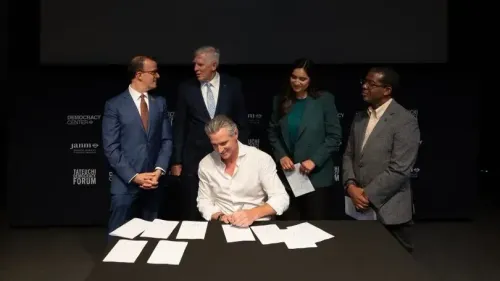
Governor Gavin Newsom signed 21 immigration measures on 30 September 2026 , directly challenging the Trump administration's enforcement crackdown.
A new 25% tax on private detention facilities will fund immigration-related services; a separate tax-exemption loophole for such centres has been closed.
California enacted a first-in-the-nation ban on shock gloves and placed new restrictions on flash-bang grenades during immigration operations.
Residents can now sue federal officials accused of constitutional violations; courthouse visitors are protected from civil immigration arrest.
Families will be shielded from losing CalWORKs benefits when a household member is detained by federal immigration authorities.
The package is expected to affect Indian professionals, students, and families in the San Francisco Bay Area , Los Angeles , and other California tech hubs.
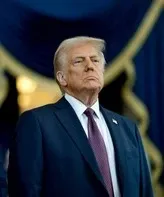
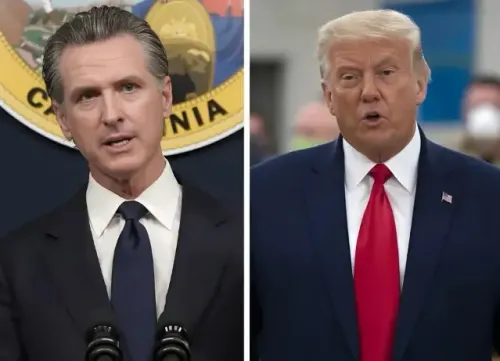
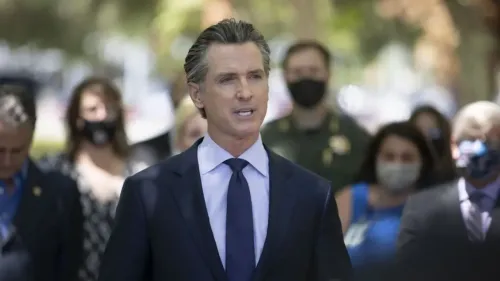
California Governor Gavin Newsom on 30 September 2026 signed a package of 21 measures designed to restrict immigration-enforcement practices within the state, expand oversight of detention centres, and grant residents greater legal tools to challenge alleged constitutional violations by federal officers. The sweeping legislative package places California in direct confrontation with the Trump administration's intensified nationwide immigration crackdown.
Key Provisions in the Package
The 21 laws span a wide range of policy areas — detention facilities, enforcement transparency, civil rights, state property, public records, family services, and law-enforcement equipment. One of the most consequential provisions allows individuals to sue federal officials accused of violating their constitutional rights during immigration operations.
Another significant measure imposes a 25% tax on private detention facilities, with the revenue earmarked for immigration-related services. The legislation simultaneously closes a provision that had allowed certain detention centres to claim tax-exempt status. Additional laws expand health, safety, and oversight requirements for civil detention centres and broaden public access to records from privately operated facilities.
First-in-the-Nation Restrictions on Enforcement Equipment
California enacted what the governor's office described as a first-in-the-nation ban on shock gloves — wearable electroshock devices used by law-enforcement officers. Separately, a new measure restricts the use of flash-bang grenades and explosive breaching charges, including during immigration operations.
Rental vehicles used by law-enforcement agencies for detention, arrest or transportation will generally be required to display temporary decals identifying the operating agency. Law-enforcement officers found to have committed serious misconduct during immigration operations would be barred from subsequently serving as California peace officers or state employees.
Protections for Communities and Families
The package includes protections for people travelling to or from courthouses for lawful activities, shielding them from civil immigration arrest. The legislation also seeks to prevent families from losing eligibility for California's CalWORKs assistance programme when federal immigration authorities detain a child or other household member in specified circumstances.
Additional planning, zoning, and public-consultation requirements apply to proposed new detention facilities, while the state attorney general is directed to develop and report on a plan to oversee private civil detention centres.
Newsom's Statement and the Federal Standoff
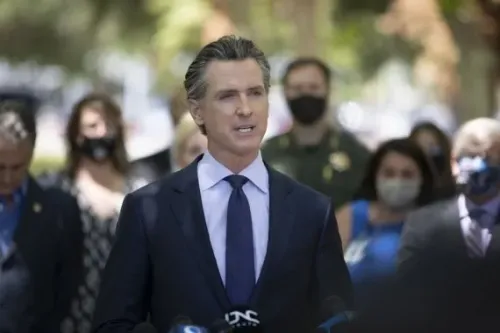
'Trump has put his political interests above the health, safety and livelihood of American families,' Newsom said. 'California is taking action to strengthen transparency, accountability, and oversight around immigration enforcement in our state.'
The governor's office acknowledged the limits of state authority, noting: 'California cannot dictate federal immigration policy. But where federal immigration enforcement operates within California, the state can establish and enforce state-law requirements governing state property, state resources, detention facilities, public records, law-enforcement practices and access to state-administered programs.'
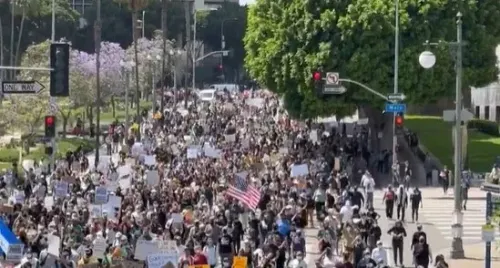
The package follows expanded federal immigration operations in Southern California and the deployment of National Guard personnel during enforcement-related protests. California had earlier challenged the federalisation of its National Guard in court, arguing the administration exceeded its authority.
Impact on Immigrant Communities, Including Indians
The measures are expected to affect immigrant communities across California, including Indian professionals, students, entrepreneurs, and families concentrated in technology hubs such as the San Francisco Bay Area and metropolitan regions including Los Angeles, San Diego, and Sacramento. With California home to one of the largest Indian diaspora populations in the United States, the new legal protections carry particular relevance for H-1B visa holders and Green Card applicants navigating an increasingly uncertain federal enforcement environment.
As legal challenges from the federal government are widely anticipated, the durability of these measures will ultimately hinge on the courts — and the next moves in an escalating state-federal standoff.
Point of View
Not the state legislature. The provision allowing residents to sue federal officers for constitutional violations is likely to trigger immediate legal challenges, and the Trump administration has shown little hesitation in using the judiciary as an enforcement tool in reverse. Notably, the package's reach into Indian professional communities — heavily concentrated in Bay Area tech — signals that this is not solely a border or undocumented-immigrant story; it touches H-1B holders and legal residents increasingly caught in enforcement overreach. The 25% detention-centre tax is a creative fiscal lever, but its constitutionality under the Supremacy Clause is untested. Sacramento has drawn a clear line; Washington's response will define whether these laws endure.
NationPress
1 Oct 2026
Frequently Asked Questions
What are California's 21 new immigration measures?
California Governor Gavin Newsom signed 21 laws on 30 September 2026 that restrict federal immigration-enforcement practices within the state, impose oversight on detention centres, and give residents new tools to challenge alleged constitutional violations by federal officers. The measures cover areas including detention facility taxation, law-enforcement equipment, civil rights protections, and family-benefit eligibility.
What is the 25% tax on private detention centres?
One of the 21 measures imposes a 25% tax on privately operated immigration detention facilities in California. The revenue generated will be directed toward immigration-related services. A separate provision simultaneously closes a loophole that had allowed some detention centres to claim tax-exempt status.
Can California residents now sue federal immigration officers?
Yes. One of the most consequential provisions in the package allows individuals in California to bring lawsuits against federal officials accused of violating their constitutional rights during immigration operations. The measure is expected to face federal legal challenges on Supremacy Clause grounds.
How do these laws affect Indian professionals and students in California?
The measures are expected to provide legal protections to Indian professionals, students, entrepreneurs, and families concentrated in technology hubs such as the San Francisco Bay Area and cities including Los Angeles and San Diego. H-1B visa holders and Green Card applicants caught in federal enforcement actions could benefit from the new civil-rights and courthouse-protection provisions.
What is California's first-in-the-nation ban on shock gloves?
California enacted a law — described by the governor's office as the first of its kind in the United States — that prohibits the use of shock gloves, which are wearable electroshock devices, by law-enforcement officers. A related measure also restricts the use of flash-bang grenades and explosive breaching charges, including during immigration operations.