Ramaswamy Slams Ohio Democrats Over Gas Tax Suspension Block
Synopsis
Entrepreneur Vivek Ramaswamy publicly criticised Ohio Democrats for opposing a gas tax suspension on the state House floor, saying he personally worked with legislators to craft the relief plan and urging its immediate passage.
Key Takeaways
Vivek Ramaswamy posted publicly on October 1, 2026 expressing frustration at Ohio Democrats blocking a gas tax suspension on the state House floor.
Ramaswamy said he worked 'in recent weeks' with Ohio legislators to craft what he called a 'reasonable plan.' Ohio's gas tax revenues are constitutionally dedicated to road and bridge maintenance, creating a recurring fiscal tension with any suspension proposal.
Multiple US states introduced temporary gas tax holidays during the 2022 fuel price surge, establishing a precedent Republicans have returned to.
The post marks a direct state-level policy intervention by the former co-lead of the DOGE advisory effort.
The immediate outcome depends on the Ohio House floor vote and potential follow-up action in the state Senate.
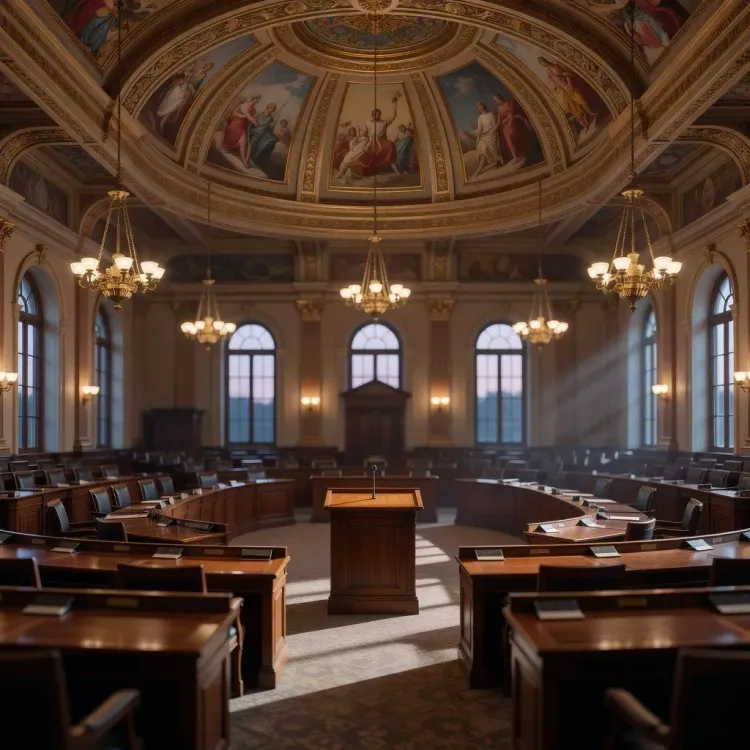
A gas tax fight is playing out on the Ohio House floor — and entrepreneur Vivek Ramaswamy is watching it with open frustration. The former co-lead of the US Department of Government Efficiency (DOGE) advisory effort publicly called out Ohio Democrats on Wednesday, October 1, 2026, for opposing a gas tax suspension he says he personally helped craft with state legislators.
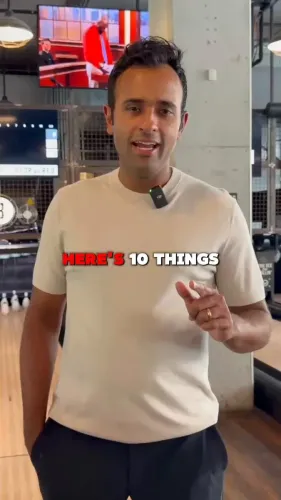
Ramaswamy's post was direct: 'It's disappointing to watch Democrats on the Ohio House floor right now arguing against the gas tax suspension. I worked with our legislature in recent weeks to craft a reasonable plan and they need to enact it now.' The statement marks a sharp public intervention by the Strive Asset Management founder into Ohio's state-level fiscal debate, signalling that his engagement with legislative policy extends well beyond his federal DOGE chapter.
What a Gas Tax Suspension Actually Means for Ohio Drivers
Ohio's gas tax is a dedicated revenue stream — every cent collected is funnelled into road and bridge maintenance across the state. A suspension, even a temporary one, would mean immediate relief at the pump for Ohio drivers but a corresponding hole in the state's infrastructure budget. That tension is the structural fault line beneath every gas tax holiday debate, and it is precisely what opponents invoke when they push back.
The idea is not new. During the 2022 fuel price surge, several US states enacted short-term gas tax holidays as a consumer relief measure. The results were mixed — economists noted that savings did not always pass fully to consumers — but the political appeal of visible, immediate relief has kept the policy in Republican playbooks ever since.
Ramaswamy's Role and the Republican-Democrat Standoff
By flagging his personal involvement in crafting the plan, Ramaswamy is doing something specific: he is placing accountability squarely on Democratic legislators, not on the proposal's design. The framing — 'a reasonable plan' blocked by a partisan floor fight — is a calculated escalation designed to build public pressure on wavering votes inside the Ohio House of Representatives.
Republicans in multiple states have historically championed gas tax relief as an energy-cost response, while Democrats have countered that raiding transportation funds creates long-term infrastructure deficits that hurt working-class communities hardest. The Ohio standoff fits that national pattern cleanly — but Ramaswamy's direct legislative involvement gives it a sharper personal edge.
The next move belongs to the Ohio House floor and, if the bill advances, the state Senate. Whether Ramaswamy's public pressure shifts a single vote will be the immediate test of how much political capital his post-DOGE platform actually commands at the state level.
Point of View
He turns a routine legislative skirmish into a personal credibility test. The gas tax holiday has become a reliable wedge issue nationally, pitting short-term consumer relief against long-term infrastructure funding — a trade-off neither side fully resolves. How Ohio's House votes will shape whether Ramaswamy's post-federal chapter finds real legislative traction or remains a commentary platform.
NationPress
1 Oct 2026
Frequently Asked Questions
What is the Ohio gas tax suspension Ramaswamy is supporting?
It is a proposal to temporarily halt Ohio's state gas tax, providing direct relief to drivers at the pump. Ramaswamy says he helped develop the plan with state legislators in the weeks before the October 2026 House debate.
Why are Ohio Democrats opposing the gas tax suspension?
Ohio Democrats, in line with broader Democratic arguments nationally, have raised concerns that suspending the gas tax would reduce funding dedicated to road and bridge maintenance, creating long-term infrastructure deficits.
What is Vivek Ramaswamy's role in Ohio politics?
Ramaswamy is an Ohio-based entrepreneur and founder of Strive Asset Management who ran for the 2024 Republican presidential nomination and co-led the federal DOGE advisory effort. He has been engaging with Ohio state legislative matters as part of his continued political involvement.
Have US states done gas tax suspensions before?
Yes. During the fuel price surge of 2022 , several US states enacted temporary gas tax holidays as consumer relief measures, though economists noted that the savings did not always pass through fully to consumers.
What happens next in the Ohio gas tax debate?
The immediate next step is the outcome of the Ohio House floor vote. If the bill passes the House, it would then need to clear the state Senate before becoming law.