CM Sai's Rural Bus Scheme Reaches 850 Tribal Villages in Chhattisgarh
Synopsis
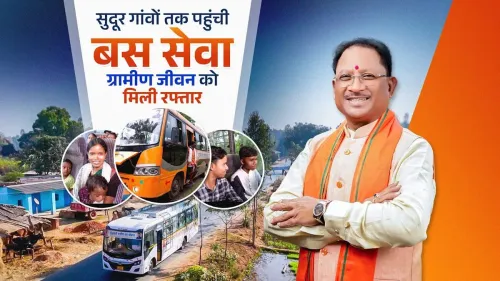
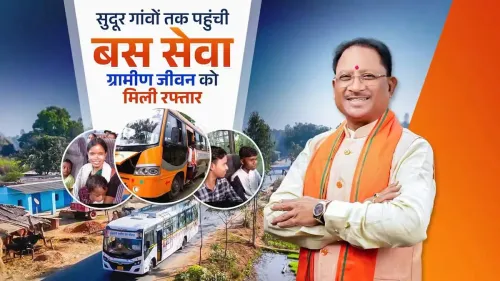
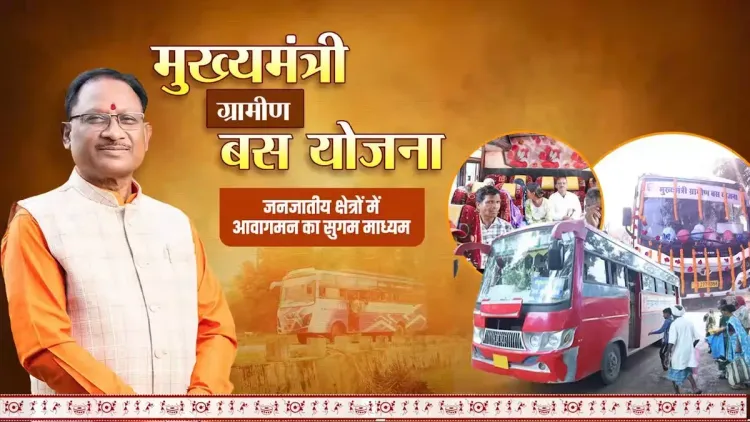
On Janjatiya Gaurav Diwas, Chhattisgarh CM Vishnu Deo Sai's administration announced that the Mukhyamantri Gramin Bus Yojana has brought regular bus services to 850 tribal villages across 13 districts for the first time, aiming to ease access to education, health, employment, and trade.
Key Takeaways
850 villages across 13 districts of Chhattisgarh are receiving regular bus services for the first time under the Mukhyamantri Gramin Bus Yojana.
The scheme was highlighted on 15 November 2026 — Janjatiya Gaurav Diwas — which commemorates tribal contributions nationally.
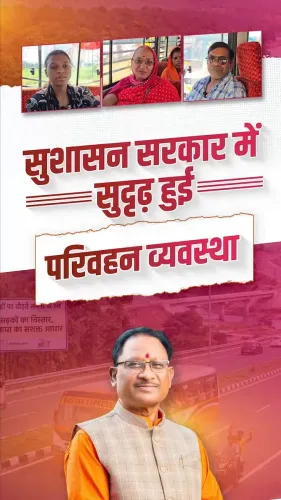
CM Vishnu Deo Sai , a tribal leader himself, took office in December 2023 and has framed the scheme under his 'Sushasan' (good governance) agenda.
The scheme targets four specific outcomes for tribal communities: access to education, healthcare, employment, and trade .
Chhattisgarh has a Scheduled Tribe population exceeding 30 percent , many living in forested or hilly areas historically cut off from regular transport.
Road infrastructure laid under Pradhan Mantri Gram Sadak Yojana serves as the backbone enabling the bus services to operate.
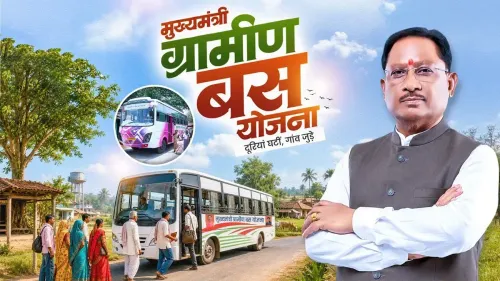
On Janjatiya Gaurav Diwas — 15 November 2026 — the roads running through Chhattisgarh's forested tribal heartland are carrying more than just vehicles. They are, for the first time, carrying a regular bus. The Chief Minister's Office of Chhattisgarh announced that the Mukhyamantri Gramin Bus Yojana, under Chief Minister Vishnu Deo Sai, has extended scheduled bus services to 850 villages across 13 districts, connecting remote tribal habitations to the wider world of schools, hospitals, markets, and jobs.
What the scheme promises — and what 'first bus ever' actually means
The CMO's post states it plainly: 'pehli baar bus seva pahunchne se' — 'bus service reaching for the first time.' That phrase carries real weight in a state where over 30 percent of the population belongs to Scheduled Tribes, many living in hilly or densely forested terrain where a district town can feel impossibly far. For these communities, the absence of regular transport has not been a minor inconvenience — it has been a structural barrier to education, healthcare, and economic participation.
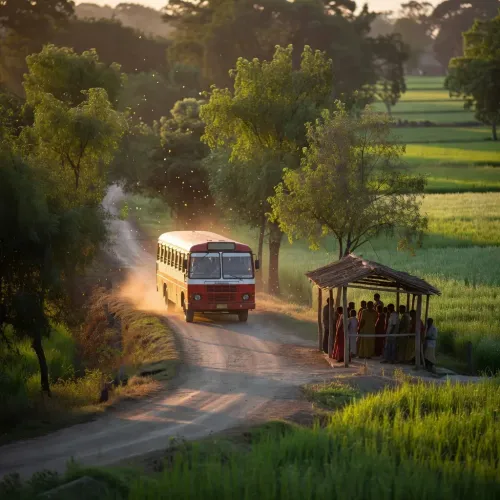
The scheme aims directly at that barrier. By putting regular, scheduled buses on routes that previously had none, it converts infrastructure that may already exist — roads built under programmes such as Pradhan Mantri Gram Sadak Yojana — into something a family can actually rely on to get a child to school or a patient to a clinic.
Janjatiya Gaurav Diwas as a policy backdrop
The timing of the announcement is deliberate. 15 November is observed nationally as Janjatiya Gaurav Diwas, commemorating the birth anniversary of tribal icon Birsa Munda and honoring the contributions of India's tribal communities. Launching or highlighting welfare measures for tribal areas on this date has become a pattern for both state and central governments, using the occasion to signal commitment to the constitutional mandate of tribal uplift.
Chhattisgarh, formed in 2000, has run successive tribal sub-plan programmes since its inception, recognising that geographic isolation is the root cause of most other deprivations in its scheduled-tribe-majority districts. The current administration under CM Sai — himself a tribal leader from the BJP who took office in December 2023 — frames the bus scheme as part of a broader 'Sushasan' (good governance) agenda.
Education, health, and trade: what regular wheels unlock
The CMO's announcement specifically names four domains the scheme is expected to open up: education, health, employment, and trade. These are not abstract benefits. In practice, a reliable morning bus means a girl in a remote village can attend the nearest secondary school without leaving home permanently. It means a farmer can reach a weekly market to sell produce at better prices. It means a pregnant woman does not need to arrange a costly private vehicle for a hospital visit.
Chhattisgarh's development administrators have long known that roads alone are insufficient — the last-mile problem is not asphalt, it is a seat on a vehicle that shows up on time. The Gramin Bus Yojana is designed to close that gap.
What comes next for the scheme
The immediate question is whether the 850-village, 13-district footprint holds — and whether it expands. The scheme's real test will come in tracking whether school enrolment rates in covered blocks rise, whether health-centre footfall increases, and whether the buses actually run on the promised schedules through monsoon and harvest seasons alike. Those data points, when they emerge, will determine whether this is transformative last-mile connectivity or a well-timed announcement.
Either way, on a day set aside to honour India's tribal communities, the message from Raipur is clear: the distance between a remote village and a functioning economy just got shorter — one bus route at a time.
Point of View
Whose own tribal identity gives the announcement political resonance on Janjatiya Gaurav Diwas, the scheme doubles as a governance signal and a welfare delivery tool. The harder question is sustainability: state-subsidised rural bus routes in low-density forested terrain are commercially unviable without ongoing government support, and their longevity will depend on budget commitments well beyond election cycles. If enrolment, health-access, and income data from covered blocks show measurable gains, the model could become a template for other high-tribal-population states.
NationPress
15 Nov 2026
Frequently Asked Questions
What is the Mukhyamantri Gramin Bus Yojana in Chhattisgarh?
The Mukhyamantri Gramin Bus Yojana is a Chhattisgarh state scheme that introduces regular, scheduled bus services to remote rural and tribal villages that previously had no public transport connectivity, linking them to district centres and wider services.
How many villages are covered under the Chhattisgarh rural bus scheme?
According to the Chief Minister's Office, the scheme has reached 850 villages across 13 districts of Chhattisgarh, marking the first time these habitations have received regular bus services.
Why was the Chhattisgarh bus scheme announced on 15 November?
15 November is observed as Janjatiya Gaurav Diwas — a national day honouring tribal communities on the birth anniversary of Birsa Munda. The Chhattisgarh CMO chose the occasion to highlight tribal-welfare initiatives including the bus connectivity scheme.
Who is Vishnu Deo Sai and what is his role in this scheme?
Vishnu Deo Sai is the Chief Minister of Chhattisgarh, in office since December 2023 . A BJP leader and tribal community member himself, he is leading the Mukhyamantri Gramin Bus Yojana as part of his administration's stated good-governance and tribal-development agenda.
What benefits does bus connectivity bring to tribal villages in Chhattisgarh?
Regular bus services help tribal residents access schools, hospitals, employment opportunities, and markets without depending on costly private transport, effectively reducing the economic and social isolation caused by geographic remoteness.