Gujarat CMO celebrates Janjatiya Gaurav Divas at Chhota Udepur
Synopsis
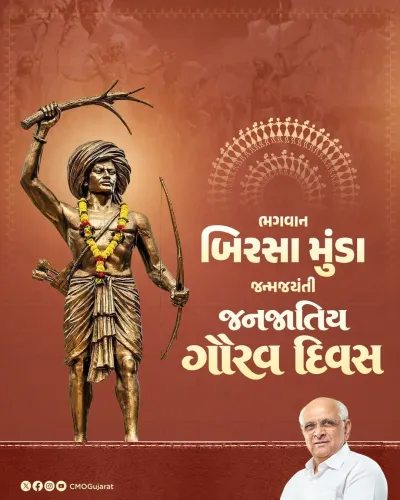
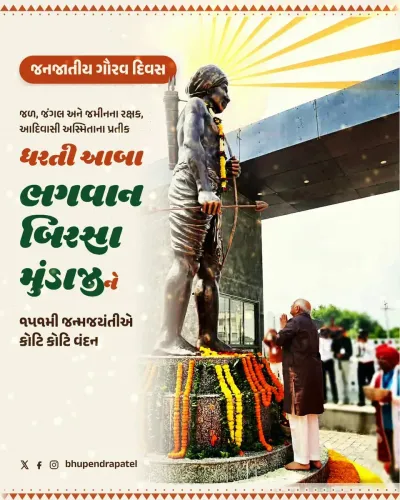
Gujarat's Chief Minister's Office is streaming the state-level Janjatiya Gaurav Divas ceremony live from Chhota Udepur on 15 November 2026, marking the 151st birth anniversary of tribal freedom fighter Birsa Munda under PM Modi's national observance framework.
Key Takeaways
Janjatiya Gaurav Divas is observed nationally on 15 November to honour the birth anniversary of tribal hero Birsa Munda .
The 2026 observance marks Munda's 151st birth anniversary .
Gujarat's state-level ceremony is being held at Chhota Udepur , one of the state's most tribal-concentrated districts.
The national observance was formally instituted by the Government of India in 2021 .
The event is framed under the leadership of Prime Minister Narendra Modi as part of a nationwide simultaneous celebration.
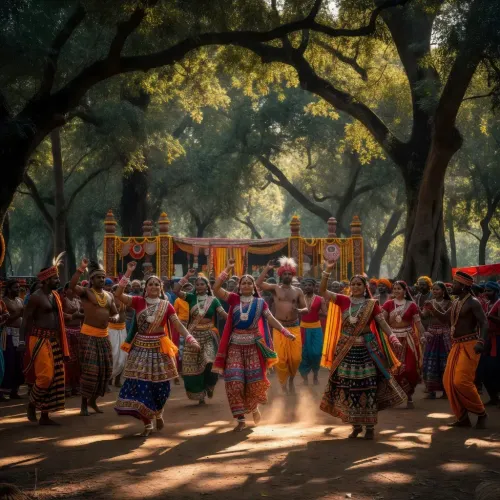
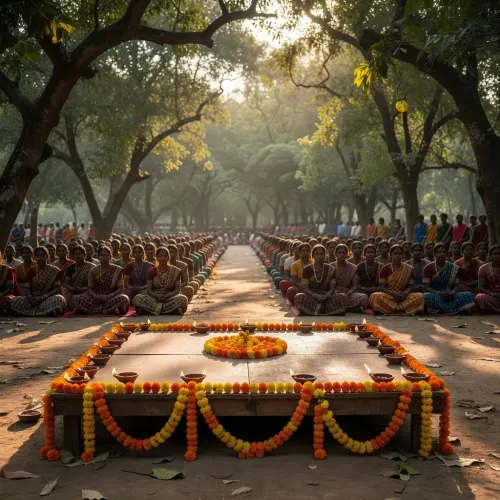
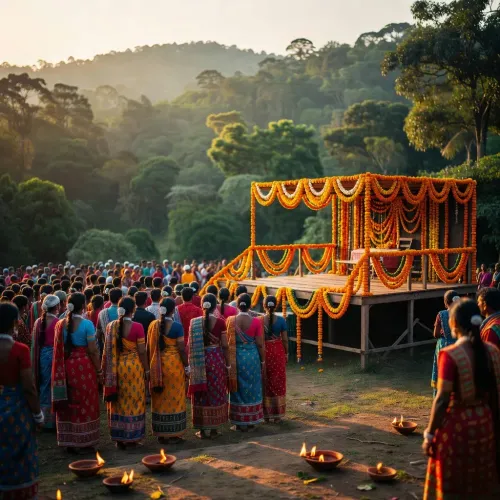
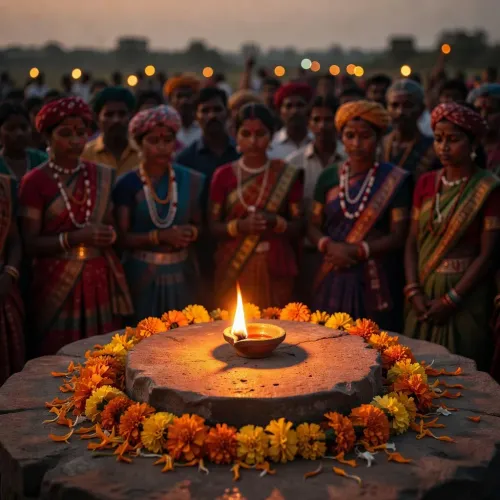
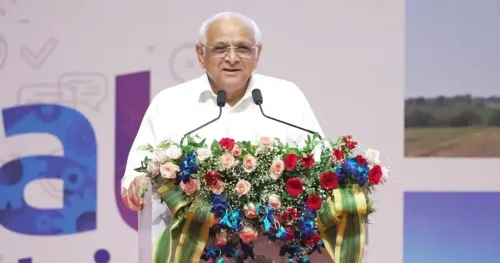
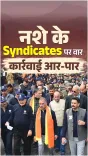
On the 151st birth anniversary of Bhagwan Birsa Munda, India marks Janjatiya Gaurav Divas with celebrations stretching from tribal villages to state capitals — and in Gujarat, the state-level programme is unfolding live at Chhota Udepur, one of the state's most significant tribal heartlands. The Chief Minister's Office of Gujarat confirmed the observance on Sunday, 15 November 2026, noting it is being held under the leadership of Prime Minister Narendra Modi.
Who was Birsa Munda — and why 151 matters
Born on 15 November 1875, Birsa Munda was a tribal freedom fighter from the Chota Nagpur plateau who led the Ulgulan ('the great tumult') — an armed revolt against British land-grab policies and forced religious conversions that shook colonial administration in the late nineteenth century. He died in British custody at just 25, yet his memory endures as the defining symbol of Adivasi resistance and pride across India. The 151st milestone carries particular cultural weight for tribal communities who regard the sesquicentennial-plus-one as a year of continuing reverence.
Janjatiya Gaurav Divas: five years of national observance
The Government of India formally instituted Janjatiya Gaurav Divas in 2021, anchoring the national tribal pride calendar to Birsa Munda's birth anniversary. Since then, central and state governments have organised annual events designed to highlight tribal leaders' contributions to the freedom movement and to advance cultural recognition of Adivasi groups. The observance has grown into a multi-day affair, with district-level and state-level programmes running simultaneously across tribal-majority regions.
Why Chhota Udepur hosts Gujarat's state-level event
Chhota Udepur district in eastern Gujarat carries one of the state's highest concentrations of Scheduled Tribe population, making it the natural focal point for Gujarat's annual Janjatiya Gaurav Divas flagship programme. The district sits at the intersection of Gujarat, Madhya Pradesh, and Maharashtra, giving it both demographic and symbolic significance for tribal outreach. Gujarat's decision to anchor its state-level ceremony here reflects a broader framework of dedicated welfare and cultural outreach in tribal-majority districts.
Point of View
Serving both as a genuine tribute to Adivasi heritage and as a vehicle for the central government to deepen electoral and administrative outreach in tribal-majority constituencies. Gujarat's choice of Chhota Udepur as the state-level venue underscores the BJP-led administration's sustained focus on eastern Gujarat's Scheduled Tribe belt, a region that carries meaningful sway in state assembly arithmetic. As the observance enters its fifth year and marks a symbolically resonant 151st anniversary, the investment in state-level live programming signals an intent to anchor tribal identity politics firmly within the mainstream governance narrative. The long-term test will be whether the cultural commemoration translates into measurable improvements in tribal welfare indices.
NationPress
15 Nov 2026
Frequently Asked Questions
What is Janjatiya Gaurav Divas and when is it celebrated?
Janjatiya Gaurav Divas is a national observance held every year on 15 November to honour the birth anniversary of tribal freedom fighter Birsa Munda and to recognise the contributions of tribal communities to India's history. The Government of India formally instituted it in 2021 .
Why is Birsa Munda celebrated on Janjatiya Gaurav Divas?
Birsa Munda , born on 15 November 1875 , led the Ulgulan uprising against British colonial land policies and is revered as a symbol of Adivasi resistance and pride. His birth anniversary was chosen as the date for the national tribal pride celebration.
Where is Gujarat's state-level Janjatiya Gaurav Divas 2026 being held?
Gujarat's state-level programme for Janjatiya Gaurav Divas 2026 is being held at Chhota Udepur , a district in eastern Gujarat with one of the state's highest concentrations of Scheduled Tribe population.
How many years has Janjatiya Gaurav Divas been celebrated?
The observance was formally established in 2021 , making 2026 the sixth annual Janjatiya Gaurav Divas. It coincides this year with Birsa Munda's 151st birth anniversary .
What is the significance of Chhota Udepur for tribal communities in Gujarat?
Chhota Udepur district in eastern Gujarat has a large Scheduled Tribe population and sits at the junction of Gujarat, Madhya Pradesh, and Maharashtra, making it a demographically and culturally significant centre for Adivasi communities in the state.