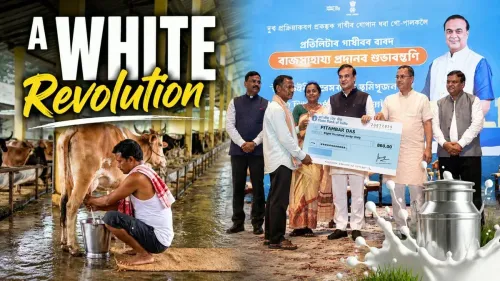
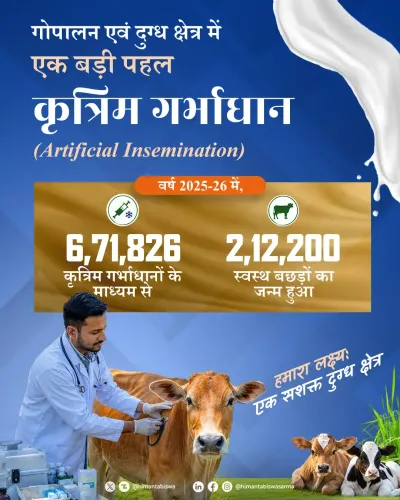
Assam CM Himanta targets 71% milk output rise by 2031
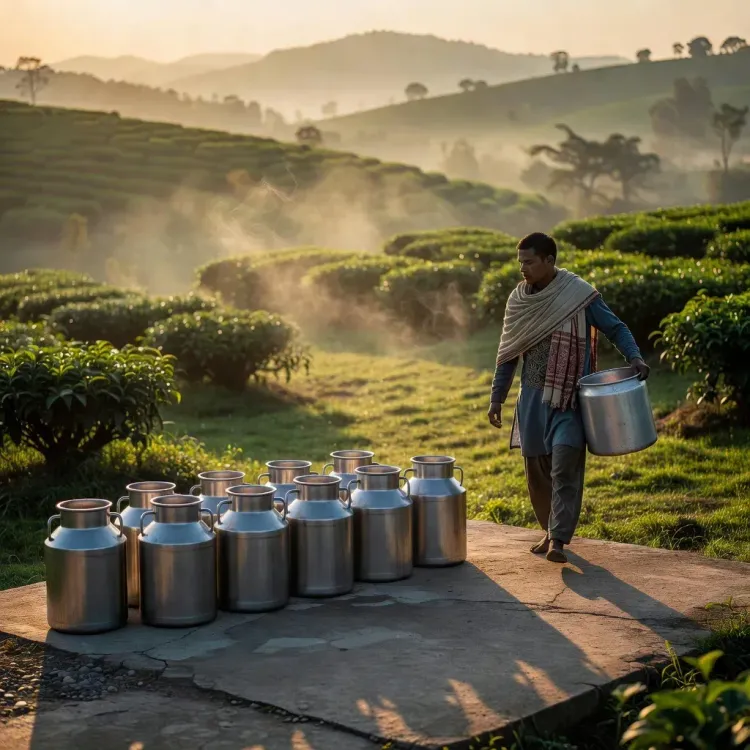
Synopsis
Assam's CM Dr. Himanta Biswa Sarma-led government has unveiled the Dairy Revolution 2030 vision, targeting a 71% jump in daily milk production and a threefold rise in organised milk procurement by 2030–31, aiming to build a self-reliant dairy sector and boost rural incomes.
Key Takeaways
Dairy Revolution 2030 is Assam's state-level vision for a self-reliant dairy sector, announced by the Chief Minister's Office on 15 November 2026 .
The plan targets a 71% increase in daily milk production by 2030–31 .
Organised milk procurement is set for a threefold expansion , aiming to bring smallholder farmers into formal supply chains.
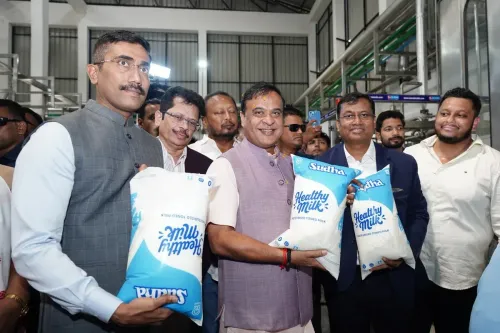
Himanta Biswa Sarma 's government is investing in dairy infrastructure including chilling centres and cooperative networks.
Assam has previously participated in the central National Programme for Dairy Development , giving the new vision an existing infrastructure base to build on.
The drive mirrors similar dairy formalisation pushes across other northeastern states seeking to cut dependence on milk supplies from other parts of India.
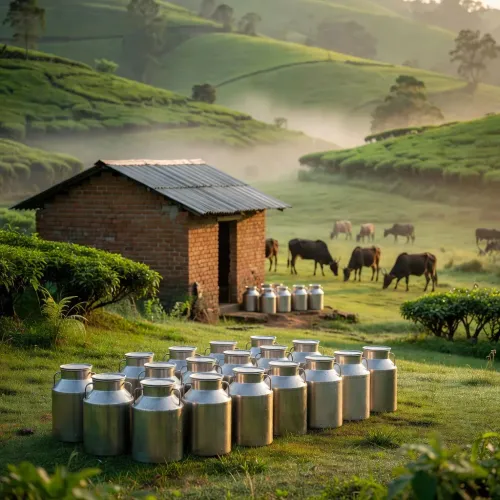
Assam is betting its rural future on milk. The Chief Minister's Office of Assam announced on Sunday, 15 November 2026 that the state's Dairy Revolution 2030 vision targets a 71% increase in daily milk production by 2030–31, alongside a threefold expansion in organised milk procurement — a scale of ambition that signals a fundamental reshaping of the northeastern state's agrarian economy.
What Dairy Revolution 2030 sets out to do
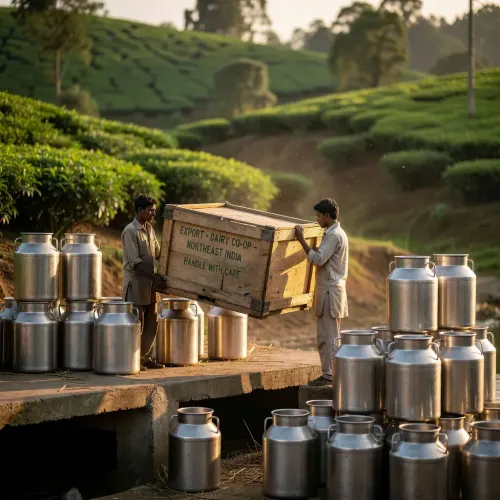
The vision, championed by CM Dr. Himanta Biswa Sarma's government, rests on two parallel tracks: lifting the volume of milk that farmers actually produce, and dramatically widening the formal pipeline through which that milk reaches consumers and processors. A threefold jump in organised procurement is the harder, structural half of that equation — it means pulling smallholder farmers out of informal, low-margin local sales and into cooperatives or certified collection networks that offer better prices and payment reliability.
The government says it is strengthening dairy infrastructure and 'creating new opportunities in Assam's rural economy' as part of this push. Specific investments — new chilling centres, processing plants, cooperative expansion — are the instruments to watch as the plan moves from announcement to execution.
Why Assam is building its own milk supply chain
Assam and much of the northeast have historically depended on milk supplies trucked in from dairy-surplus states, a vulnerability that keeps rural incomes low and urban prices high. The Dairy Revolution 2030 strategy is designed to close that gap from both ends: raise on-farm output and lock in demand by formalising procurement before surplus production materialises.
The state has participated in the central National Programme for Dairy Development since the mid-2010s to upgrade milk processing and cooperative infrastructure — so this 2030 vision builds on an existing policy lineage rather than starting from scratch. What is new is the scale and the explicit self-reliance framing.
A pattern spreading across the northeast
Assam is not moving in isolation. Similar state-level dairy expansion drives are visible across several northeastern states that are seeking to formalise procurement, reduce dependence on external supply chains, and raise rural household incomes. The broader national emphasis on livestock value-chain development — linking farmers directly to processing infrastructure — provides both the policy template and, in many cases, partial central funding.
For Assam's dairy farmers and rural households, the tangible test will come in state budget allocations and dairy department progress reports over the next two to three years. Chilling centres commissioned, cooperatives registered, and procurement volumes reported will tell the real story of whether the 2030 targets are on track.
The 2030–31 deadline is four years away — close enough to hold the government accountable, far enough to demand a head start. Assam has drawn the line; now comes the infrastructure to make it mean something.
Point of View
The administration is trading flexibility for accountability — a governance bet that pays off only if infrastructure spending matches the rhetoric. The threefold procurement target is the more structurally ambitious half of the vision, because it requires building cooperative trust and market linkages that have historically been weak in the northeast. Nationally, it aligns with the central government's livestock value-chain push, positioning Assam to access federal co-funding while projecting state-level initiative.
NationPress
15 Nov 2026
Frequently Asked Questions
What is Assam's Dairy Revolution 2030?
Dairy Revolution 2030 is a state-level vision launched by the Assam government under Chief Minister Dr. Himanta Biswa Sarma that targets a 71% increase in daily milk production and a threefold expansion in organised milk procurement by 2030–31, with the goal of making Assam self-reliant in its dairy sector.
By how much does Assam plan to increase milk production?
Assam's Dairy Revolution 2030 vision targets a 71% increase in daily milk production by 2030–31, alongside a threefold rise in organised milk procurement.
Why does Assam need a dairy revolution?
Assam and much of northeast India have historically depended on milk trucked in from surplus states elsewhere in the country, keeping rural incomes low and urban prices high. The Dairy Revolution 2030 aims to build local production capacity and formal procurement networks to end that dependence.
What infrastructure is Assam building for its dairy sector?
The Assam government is working to strengthen dairy infrastructure including chilling centres, milk processing plants, and cooperative networks. The state has also previously received support under the central National Programme for Dairy Development.
How does Assam's dairy plan fit with national policy?
Assam's Dairy Revolution 2030 aligns with the national emphasis on livestock value-chain development. The state has participated in the central National Programme for Dairy Development since the mid-2010s, and the new vision builds on that foundation while mirroring similar formalisation drives across other northeastern states.