Assam targets 10 lakh litres daily milk output with subsidies, mega dairy plants

Synopsis
Assam is betting on dairy to transform its rural economy. Chief Minister Himanta Biswa Sarma has set a bold 10-lakh-litres-per-day milk production target, backed by direct farmer subsidies and a statewide mega dairy plant expansion — with per capita milk availability in the state still trailing the national average.
Key Takeaways
Assam CM Himanta Biswa Sarma announced a dairy expansion plan on 30 October 2026 .
The state targets daily milk production of 10 lakh litres .
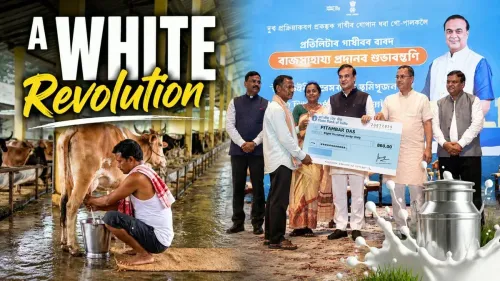
Direct milk subsidies will be extended to dairy farmers to boost incomes and participation.
A milk processing plant with a capacity of 20,000 litres per day has been commissioned in Sonitpur district .
Mega dairy processing plants are planned across Assam to scale up handling and distribution.
Assam's per capita milk availability currently remains below the national average .
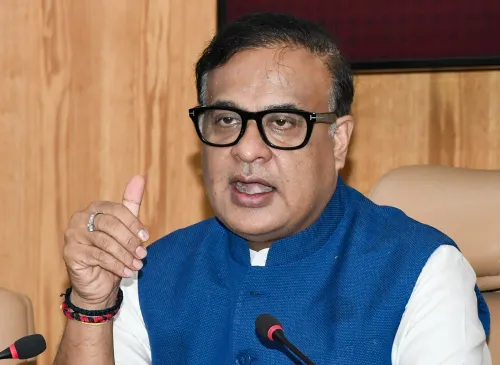
Assam Chief Minister Himanta Biswa Sarma on Friday, 30 October 2026, announced a series of measures to strengthen the state's dairy sector, including a target of achieving 10 lakh litres of daily milk production, direct subsidies for dairy farmers, and the establishment of mega processing plants across the state. The announcement underscores Assam's push to close its gap with the national average on per capita milk availability.
Key Targets and Initiatives
The state government has set a daily milk production target of 10 lakh litres, a significant step up from current output levels. To drive farmer participation, the government is extending direct milk subsidies to dairy farmers, aimed at bolstering incomes and encouraging greater involvement in dairy activities.
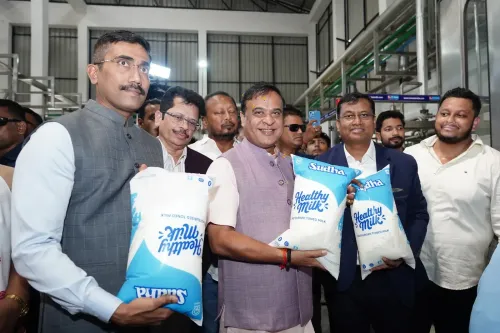
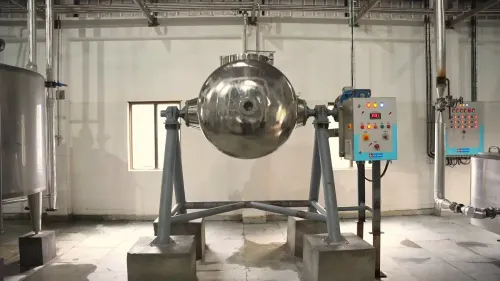
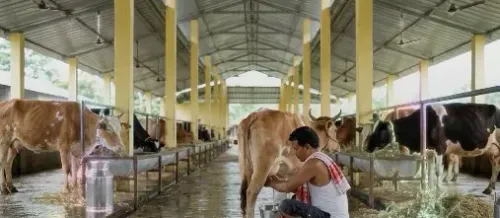
Notably, the Sonitpur district has seen the commissioning of a new milk processing plant with a capacity of 20,000 litres per day, adding to the state's expanding processing infrastructure. Plans are also underway to establish mega dairy processing plants across Assam to strengthen milk handling, processing, and distribution at scale.
Why Assam's Dairy Sector Needs a Push
Assam's per capita milk availability currently falls below the national average, according to information shared by Chief Minister Sarma. This gap has long constrained both rural incomes and nutritional outcomes in the state. Analysts note that strengthening collection, processing, and distribution networks will be critical to translating production targets into real household-level impact.
This comes amid a broader national effort to double farmers' incomes, with dairy repeatedly identified as a high-potential sector for rural employment generation. Assam's push mirrors similar initiatives in states like Gujarat and Rajasthan, which have used cooperative and infrastructure-led models to significantly scale milk output.
What Sarma Said
In a post on X (formerly Twitter), Chief Minister Sarma said a stronger dairy sector would 'improve nutrition, secure farmers' livelihoods and make the rural economy more resilient.' He described the initiatives as part of the state's vision for a self-reliant Assam, linking dairy development to wider goals of rural economic resilience and nutritional security.
Expected Impact and Next Steps
The government's focus on subsidies and processing infrastructure is designed to encourage scale-up in dairy farming while improving market access for producers. A sustained expansion in milk production could also generate significant rural employment and provide supplementary income to farming households across the state.
Strengthening the entire value chain — from farm-level collection to urban distribution — will be central to achieving the 10 lakh litres per day target. The commissioning of more mega plants and the extension of subsidy coverage will be closely watched as indicators of programme momentum.
Point of View
Not just an agricultural sideshow. However, the distance between a production target and actual farmer income gain depends almost entirely on whether processing and cold-chain infrastructure keeps pace — a weak link in most northeast dairy schemes. The Sonitpur plant's 20,000-litres-per-day capacity is modest against a 10-lakh-litre ambition, which means the mega plant rollout timeline is the real number to watch. Without a cooperative or aggregator model ensuring price certainty for farmers, subsidies alone risk becoming a fiscal drain rather than a structural fix.
NationPress
30 Oct 2026
Frequently Asked Questions
What is Assam's dairy production target announced by CM Sarma?
Assam has set a target of producing 10 lakh litres of milk every day. Chief Minister Himanta Biswa Sarma announced the goal on 30 October 2026, alongside direct subsidies for farmers and plans for mega dairy processing plants across the state.
What subsidies are being offered to Assam's dairy farmers?
The Assam government is extending direct milk subsidies to dairy farmers to encourage participation in dairy activities and support their incomes. Further details on subsidy amounts and eligibility criteria have not yet been specified in official announcements.
What dairy processing infrastructure is being developed in Assam?
A milk processing plant with a capacity of 20,000 litres per day has been commissioned in Sonitpur district. The state government also plans to establish mega dairy processing plants across Assam to scale up milk handling, processing, and distribution.
Why does Assam need to boost its dairy sector?
Assam's per capita milk availability is currently below the national average, according to Chief Minister Sarma. Bridging this gap is seen as essential to improving nutrition, generating rural employment, and strengthening the state's farming economy.
How does this initiative fit into Assam's broader development agenda?
CM Sarma described the dairy push as part of the state's vision for a self-reliant Assam, linking it to goals of better farmer livelihoods, improved nutrition, and a more resilient rural economy. It mirrors dairy-led development models that have delivered results in western Indian states.