Assam launches 20,000-LPD milk plant in Sonitpur; CM Sarma eyes 10 lakh litres daily
Synopsis
Assam has operationalised a 20,000-LPD milk processing plant in Sonitpur, with CM Himanta Biswa Sarma positioning it as a cornerstone of the state's push to reach 10 lakh litres of daily milk production — backed by direct subsidies, digital co-op registration, and women-and-youth-focused schemes.
Key Takeaways
Assam CM Himanta Biswa Sarma launched a 20,000-LPD milk processing plant in Sonitpur on 8 October 2026 .
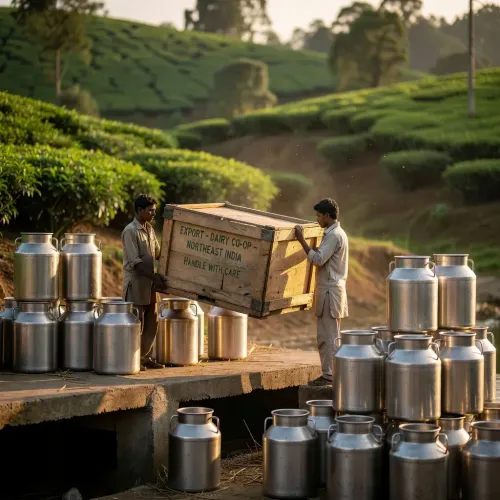
All milk will be procured from local dairy farmers linked to co-operative societies , ensuring an assured market.
The state government targets 10 lakh litres of milk production per day across Assam.
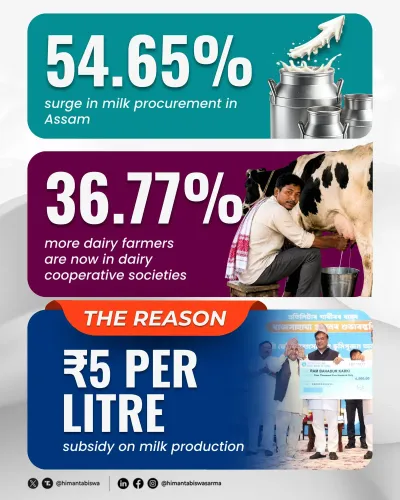
Support measures include direct milk subsidies and digital registration of milk co-operative societies.
Flagship schemes CMAAA and MMUA are being used to bring youth and women into dairy farming.
The plant is expected to boost allied rural enterprises along the North Bank of the Brahmaputra .
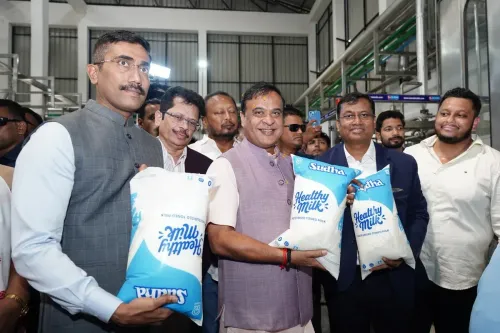
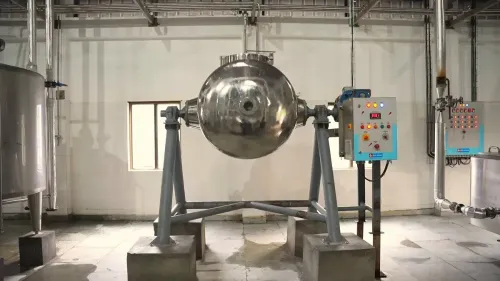
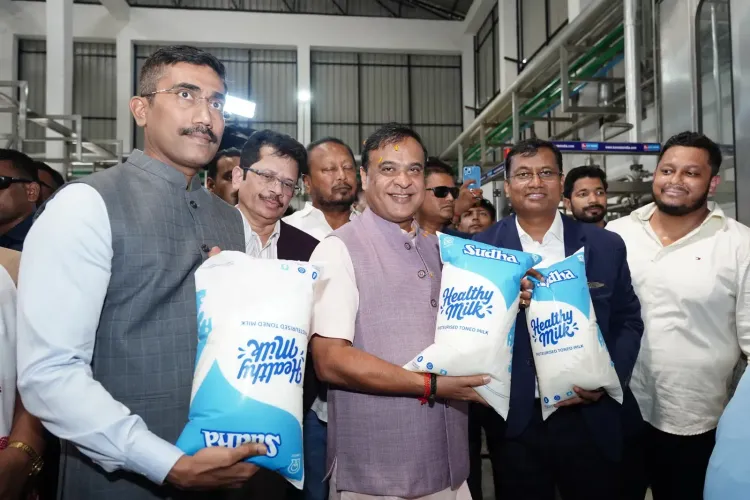
Assam Chief Minister Himanta Biswa Sarma on 8 October 2026 announced the launch of a 20,000-litre-per-day (LPD) milk processing plant in Sonitpur, with the entire milk supply to be sourced exclusively from local dairy farmers affiliated with cooperative societies. The facility marks a significant step in the state government's push to scale Assam's daily milk production to 10 lakh litres per day.
Plant Operations and Farmer Linkage
The Sonitpur plant will procure all its milk directly from dairy farmers associated with local dairy co-operative societies, ensuring a guaranteed market for producers in the region. Sarma said the initiative would boost farmer incomes and support a range of allied economic activities along the North Bank of the Brahmaputra.
'This will boost their income, give them an assured market and support a lot of allied activities in the North Bank of the Brahmaputra,' Sarma said in a post on X.
Broader Dairy Ecosystem Measures
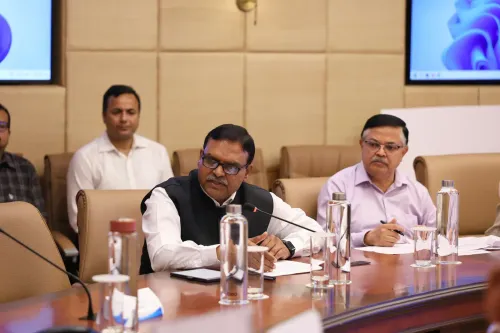
The Chief Minister outlined several parallel interventions aimed at strengthening Assam's dairy sector. These include direct milk subsidy support for dairy farmers and digital registration of milk co-operative societies to formalise the sector and improve network cohesion. The government is also working to expand milk procurement, processing, and marketing infrastructure across the state.
Notably, the initiative is framed under the broader 'Made in Assam' push — a recurring theme of the Sarma administration's economic agenda — positioning dairy as a locally rooted, self-sustaining industry rather than one dependent on external supply chains.
Schemes Targeting Youth and Women
Sarma highlighted two flagship programmes being leveraged to expand dairy farming participation: the Chief Minister's Atmanirbhar Asom Abhijan (CMAAA) and the Mukhya Mantri Mahila Udyamita Abhiyan (MMUA). Both schemes are designed to encourage young people and women to enter dairy farming and allied activities, broadening the economic base of the sector beyond traditional farming households.
Economic Impact on North Bank Region
Beyond direct farmer benefits, the new plant is expected to stimulate rural enterprise in the North Bank region, including livestock-related services, transportation, and ancillary rural businesses. Assam's North Bank districts — spanning areas such as Sonitpur, Biswanath, and Udalguri — have historically lagged in agri-processing infrastructure compared to the state's southern counterparts.
The government's current daily milk production target of 10 lakh litres represents an ambitious scaling from existing output levels, and officials reportedly believe that formalising the cooperative network through digital registration will be critical to achieving it. Further plant expansions and cooperative integrations are expected as the dairy ecosystem develops.
Point of View
But the 10-lakh-litres-per-day target demands scrutiny. Assam's dairy sector has long struggled with fragmented cooperatives, thin cold-chain coverage, and low average herd productivity — problems a single processing plant, however well-intentioned, cannot resolve on its own. The digital registration of cooperatives is the more consequential intervention: if it formalises procurement data and links it to subsidy disbursement, it could prevent the leakage that has historically blunted dairy scheme impact in North-East India. The CMAAA and MMUA schemes add a social dimension, but youth and women's participation in dairy is only sustained when price risk is managed — something the government's subsidy architecture has not yet fully addressed publicly.
NationPress
8 Oct 2026
Frequently Asked Questions
What is the new milk processing plant launched in Assam?
It is a 20,000-litre-per-day (LPD) milk processing facility launched in Sonitpur, Assam , on 8 October 2026 . The plant will source all its milk from local dairy farmers affiliated with co-operative societies, providing them a guaranteed market.
What is Assam's milk production target?
The Assam government has set a target of producing 10 lakh litres of milk per day across the state. The Sonitpur plant is one of several steps aimed at reaching this goal.
How will local dairy farmers benefit from this plant?
Farmers associated with dairy co-operative societies in Sonitpur and neighbouring areas will have an assured procurement market for their milk. The government is also providing direct milk subsidy support to further boost farmer incomes.
Which schemes are being used to encourage participation in dairy farming?
The government is promoting dairy farming among youth and women through the Chief Minister's Atmanirbhar Asom Abhijan (CMAAA) and the Mukhya Mantri Mahila Udyamita Abhiyan (MMUA) . Both schemes aim to expand the dairy sector's social and economic base.
What other steps is the Assam government taking to strengthen its dairy sector?
Beyond the Sonitpur plant, the government is undertaking digital registration of milk co-operative societies to formalise the sector, expanding procurement and marketing infrastructure, and encouraging allied rural enterprises along the North Bank of the Brahmaputra .