CM Bhajanlal Flags Trainee Officers' Role in Viksit Rajasthan-2047
Synopsis
Rajasthan CM Bhajan Lal Sharma, through the official CMO account, has called trainee officers central to realising Viksit Rajasthan-2047 — the state's adaptation of the national Viksit Bharat framework. The statement underscores bureaucratic capacity as the state's primary implementation lever for its long-range development goals.
Key Takeaways
The Chief Minister's Office of Rajasthan posted on October 30, 2026 , relaying a message from CM Bhajan Lal Sharma on the role of trainee officers.
Viksit Rajasthan-2047 is the state's development vision aligned with the national Viksit Bharat @2047 framework articulated by PM Modi in 2023 .
CM Sharma, in office since December 2023 , framed trainee officers as critical to achieving the 2047 goals.
The hashtag #आपणो_अग्रणी_राजस्थान ('Our Pioneering Rajasthan') accompanied the post, reflecting the state's branding of the initiative.
Indian states have broadly adopted 2047 roadmaps mirroring the central vision, with administrative training consistently cited as the key delivery lever.
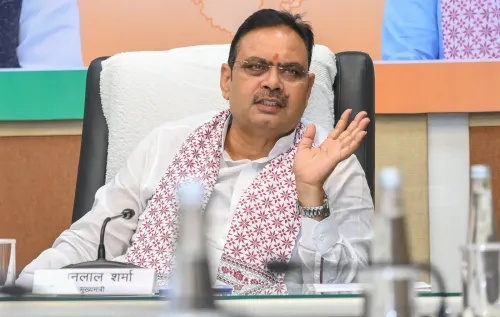
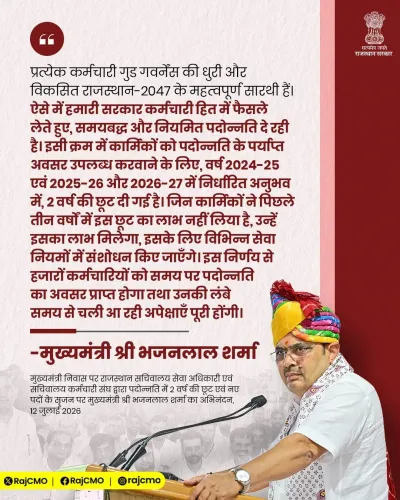
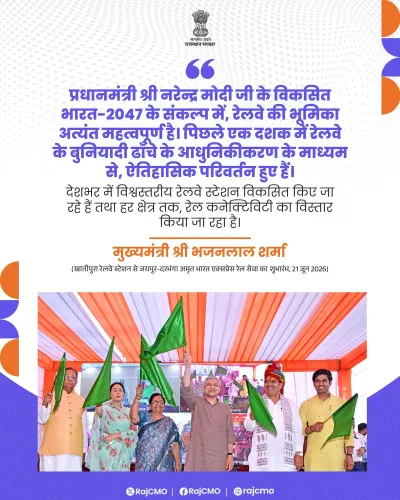
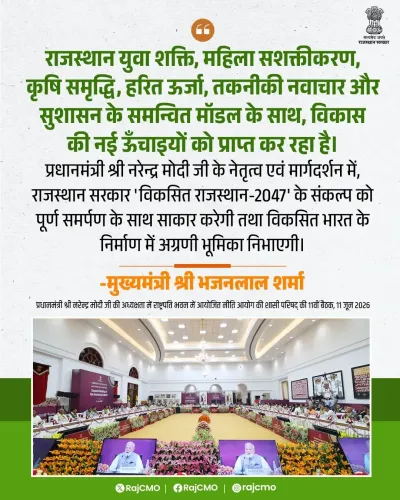
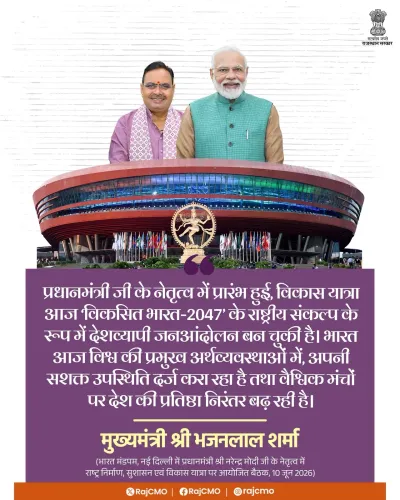
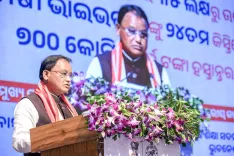
The bureaucrats of tomorrow hold the keys to Rajasthan's most ambitious development blueprint. On Friday, October 30, 2026, the Chief Minister's Office of Rajasthan posted on X, relaying a message from Chief Minister Bhajan Lal Sharma that trainee officers carry a critical role in realising the Viksit Rajasthan-2047 vision — the state's roadmap for a fully developed Rajasthan by the centenary of Indian independence.
The post, tagged with the hashtag #आपणो_अग्रणी_राजस्थान ('Our Pioneering Rajasthan'), translated to: 'In achieving the goal of Viksit Rajasthan-2047, the role of trainee officers is important.' The message signals that the state government views administrative capacity — built from the ground up through officer training — as the engine behind its long-range goals.
What Viksit Rajasthan-2047 Is Built On
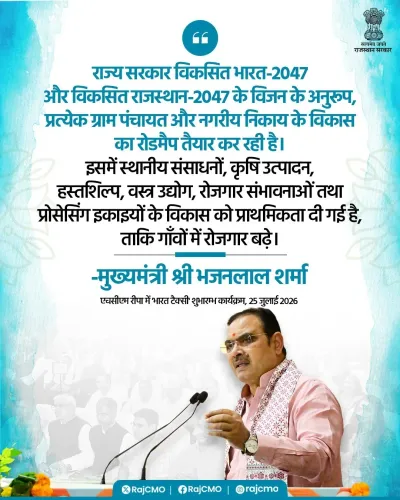
Viksit Rajasthan-2047 is Rajasthan's state-level adaptation of Prime Minister Narendra Modi's national Viksit Bharat @2047 framework, which was articulated in 2023 as a call for India to achieve developed-nation status by the 100th anniversary of independence. Across India, state governments have progressively adopted parallel 2047 development roadmaps, each attempting to translate the central vision into sectoral targets suited to local realities.
Bhajan Lal Sharma, who assumed office as Chief Minister of Rajasthan in December 2023 after the BJP's return to power in the state, has consistently framed the 2047 vision as a generational project — one that outlasts any single administration and demands a trained, capable bureaucracy to carry it forward.
Why Trainee Officers Are at the Centre of This Pitch
The emphasis on probationary and trainee officers is deliberate. These are the civil servants who will occupy mid- and senior-level posts in 2030, 2035, and beyond — the very years in which Rajasthan's 2047 targets must be measurably advanced. Across India, state governments have repeatedly cited administrative training and bureaucratic capacity as the implementation bottleneck between policy design and on-the-ground delivery.
By addressing trainee officers directly, CM Sharma is investing the 2047 mission with a sense of personal accountability at the earliest career stage — the point at which institutional culture is most malleable. The message is clear: the vision does not wait for officers to settle in. It begins now.
Whether this statement is followed by structured training modules, mentorship frameworks, or mid-term sectoral reviews under the Viksit Rajasthan-2047 document will be the real test of intent.
Point of View
The 2047 framing serves a dual purpose: it aligns state governance with PM Modi's national brand, and it projects a long-term policy seriousness that outlasts electoral cycles. The real political test, however, is whether the messaging translates into structured training reforms or remains a motivational gesture. In a state with significant governance delivery gaps, the gap between rhetoric and administrative reform will be closely watched.
NationPress
30 Oct 2026
Frequently Asked Questions
What is Viksit Rajasthan-2047?
Viksit Rajasthan-2047 is Rajasthan's state-level development vision modelled on the national Viksit Bharat @2047 framework, aiming for a fully developed state by the centenary of Indian independence.
Who is Bhajan Lal Sharma?
Bhajan Lal Sharma is the BJP Chief Minister of Rajasthan, in office since December 2023.
Why did the Rajasthan CM speak about trainee officers?
CM Sharma emphasised trainee officers because they are the future administrators who will execute Rajasthan's 2047 development targets during the most critical implementation years.
What is the national Viksit Bharat 2047 vision?
Viksit Bharat @2047 is PM Narendra Modi's national framework, announced in 2023, calling for India to achieve developed-nation status by the 100th anniversary of independence in 2047.
What does #AapnoAgraniRajasthan mean?
The hashtag #आपणो_अग्रणी_राजस्थान translates from Rajasthani as 'Our Pioneering Rajasthan,' and is used by the state government to brand its flagship development initiatives.