CM Rio Reaffirms Nagaland's Push for Inclusive Development
Synopsis
Nagaland Chief Minister Neiphiu Rio on 30 October 2026 reaffirmed his government's commitment to inclusive development, pledging that women, children, and remote communities would be at the centre of the state's welfare agenda.
Key Takeaways
CM Neiphiu Rio publicly reaffirmed Nagaland's commitment to inclusive development on 30 October 2026 .
The pledge specifically names women, children, and remote communities as priority beneficiaries.
Nagaland's hilly, isolated terrain makes last-mile welfare delivery one of the state's most persistent governance challenges.
Tribal customary laws in Nagaland can affect how women access formal welfare entitlements, adding complexity to delivery.
Rio, leading the NDPP government through multiple terms, has consistently tied inclusive growth to his governance narrative.
Concrete follow-through is expected to be tested at the next Nagaland legislative assembly session or state budget presentation.
A pledge to leave no one behind — that is the message Nagaland Chief Minister Neiphiu Rio sent on Friday, 30 October 2026, renewing his government's commitment to reaching women, children, and remote communities in one of India's most geographically challenging states.
In a post on X, CM Rio stated: 'The Govt. remains committed to inclusive development, ensuring its benefits reach all, particularly women, children, and remote communities. Let us build a society where every woman is respected, every girl can realise her dreams, and every child grows up in a nurturing environment.'
What 'remote communities' means in Nagaland's terrain
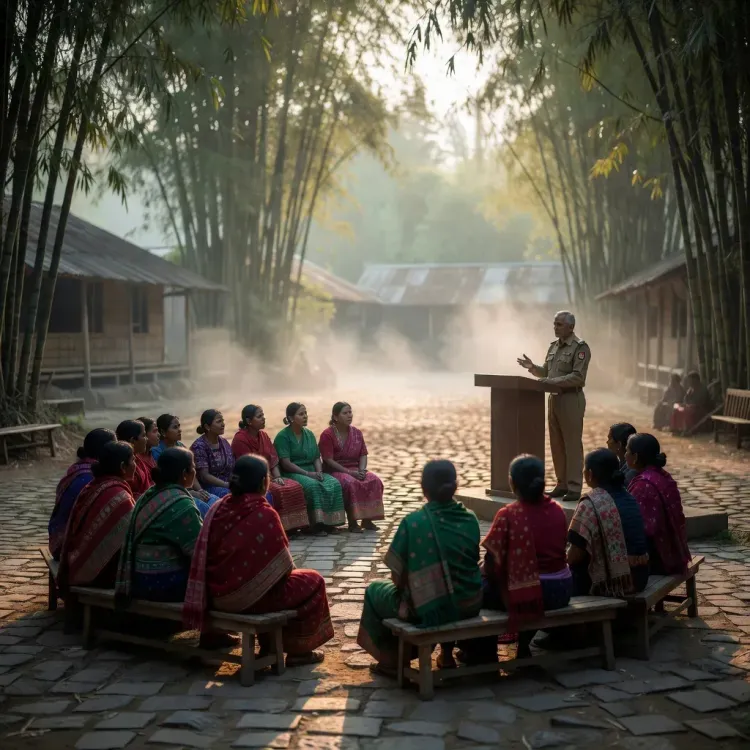
Nagaland is home to a predominantly tribal population spread across steep, hilly terrain where road connectivity remains thin and last-mile service delivery is a persistent administrative challenge. For welfare programmes — whether nutrition, healthcare, or girl-child education — reaching villages that sit hours from the nearest district headquarters is not a logistics footnote. It is the central problem.
The state's customary tribal laws and council structures also shape how welfare reaches households, particularly women, whose access to formal entitlements can vary significantly across different tribal jurisdictions. CM Rio's framing — 'every woman is respected, every girl can realise her dreams' — signals an intent to bridge that gap between policy design and ground-level reality.
Rio's long track record on state welfare priorities
Neiphiu Rio, leading the Nationalist Democratic Progressive Party (NDPP) government, has served multiple terms as Chief Minister and has consistently positioned inclusive growth as a cornerstone of his governance agenda. Public commitments of this kind, made via social media, typically precede or accompany concrete announcements — budget allocations, scheme expansions, or legislative assembly sessions where welfare outlays are debated.
The Northeast as a whole has been a focus of central government schemes targeting women and child development, with state governments acting as implementing partners. Nagaland's ability to translate these frameworks into outcomes depends heavily on administrative reach into its most isolated districts.
The words are on record now. The next assembly session — and the state budget — will be where the commitment is priced.
Point of View
The emphasis on remote communities is not rhetorical; geographic isolation is the single largest barrier to scheme penetration, and any serious follow-through requires administrative investment well beyond policy announcements. The invocation of women's respect and girls' aspirations also speaks to a subtle tension in the state: tribal customary institutions, while culturally vital, have historically limited women's formal rights, and bridging that gap demands political will at the highest level. Analysts will watch whether this pledge translates into measurable budget lines when the assembly next convenes.
NationPress
30 Oct 2026
Frequently Asked Questions
What did Nagaland CM Neiphiu Rio say about inclusive development?
CM Rio stated that the government remains committed to ensuring the benefits of inclusive development reach all, particularly women, children, and remote communities, and called for a society where every woman is respected and every girl can realise her dreams.
Why is welfare delivery difficult in Nagaland?
Nagaland's predominantly tribal population is spread across steep, hilly terrain with limited road connectivity, making it hard for welfare programmes to reach remote villages. Tribal customary laws also affect how benefits reach women.
What welfare schemes are relevant to women and children in Nagaland?
Nagaland implements a range of central government schemes focused on women and child development, including nutrition and girl-child education programmes, with the state government acting as the implementing partner for last-mile delivery.