US Congress debates campus free speech: Republicans vs Democrats clash
Synopsis
A US congressional hearing on 30 April laid bare a stark partisan divide: Republicans citing data showing widespread student self-censorship, Democrats warning that government intervention is the real threat to academic freedom. With federal funding leverage now openly on the table, the battle over who controls campus speech is moving from lecture halls to Capitol Hill.
Key Takeaways
US lawmakers clashed over campus free speech at a 30 April congressional subcommittee hearing in Washington .
Congressman Burgess Owens cited data showing 59% of students self-censor around peers and 71% find it acceptable to shout down speakers.
ACLU 's Emerson Sykes warned that over 50% of college students attend schools in states with at least one curricular censorship law.
Alma Adams (ranking member) stressed First Amendment protections are not absolute and must be balanced with civil rights obligations.
Witnesses flagged threats to federal funding based on ideological alignment as a risk to research and open inquiry.
Steven McGuire called for "viewpoint-neutral" university policies to protect intellectual diversity.
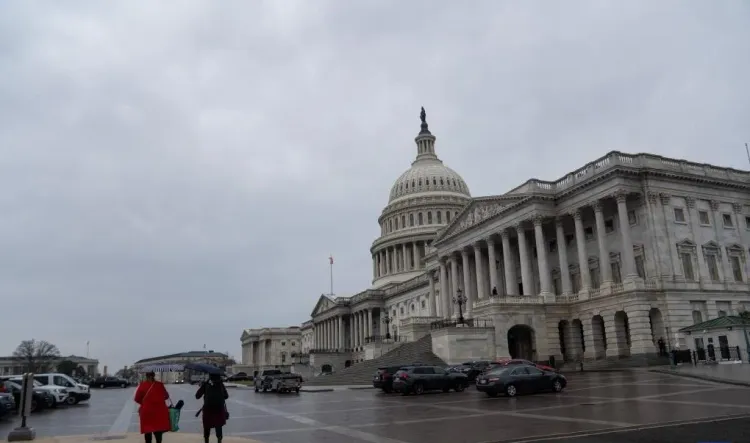
Top American lawmakers clashed sharply over free speech and academic freedom on US college campuses during a congressional hearing in Washington on 30 April, exposing deep political divisions over whether universities are suppressing student dissent or facing growing government overreach. The session, held before the Subcommittee on Higher Education and Workforce Development, drew competing testimony from legal advocates, civil liberties groups, and higher education organisations.
Republican Concerns Over Campus Intolerance
Subcommittee Congressman Burgess Owens argued that many students now feel unable to speak openly, citing survey data that "59 per cent of students self-censor around other students" and "71 per cent believe it is acceptable to shout down speakers." Owens warned that "this trend toward intolerance has serious implications for higher education." Republicans broadly framed the hearing as an opportunity to address what they described as a culture of ideological conformity on campuses.
Democrats Urge Balance Over Government Interference
Ranking member Alma Adams pushed back, stressing that "every student is entitled to the full protection of their First Amendment," but cautioned that it "is not absolute." Democrats argued that the issue risks being weaponised to justify political interference in higher education. Adams emphasised that universities must ensure students are not subjected to discrimination or a hostile learning environment, and that the matter "requires balance, judgment and respect."
Witness Testimony: Competing Accounts
Tyson Langhofer of the Alliance Defending Freedom said public universities are "actively violating these freedoms" by restricting speech and discriminating against certain student groups. He cited cases where students were penalised "simply for sharing… conservative political views and religious beliefs" and alleged that some institutions deny recognition or funding to religious organisations.
Emerson Sykes of the American Civil Liberties Union (ACLU) urged caution against government involvement, stating: "The government cannot censor students and instructors… just because the government doesn't like the ideas they express." Sykes pointed to what he described as rising curriculum restrictions, noting that "more than 50 per cent of college students go to school in a state that has enacted at least one curricular censorship law or policy." He warned that such measures could limit what is taught and studied, undermining academic freedom.
Steven McGuire of the American Council of Trustees and Alumni cited survey data suggesting that "65% of students say they self-censor in class… and 71% say shouting down a speaker could be acceptable." He called on universities to adopt "viewpoint-neutral" policies and promote intellectual diversity.
Federal Funding and Freedom of Association
Sykes also raised concerns about federal pressure on universities, warning that threats to cut funding or impose conditions based on ideological alignment could harm research and discourage open inquiry. This comes amid a broader national debate over the role of the federal government in shaping campus culture, particularly following high-profile clashes at elite institutions over the past two years.
Judd Horras of the North American Interfraternity Conference said some universities restrict single-sex organisations in ways that do not apply to other groups, limiting "the freedom of association" and affecting student participation.
What Comes Next
Lawmakers repeatedly returned to the question of balance — protecting free speech while ensuring campuses remain safe and inclusive. Sykes called for "clear and fair First Amendment rules that apply to all, regardless of viewpoint." With federal funding leverage increasingly entering the conversation, the debate is unlikely to be resolved within the subcommittee alone — and may intensify as universities navigate both legislative pressure and campus unrest in the months ahead.
Point of View
The conversation about free speech becomes a conversation about power. That is the thread mainstream coverage consistently undersells.
NationPress
18 Sept 2026
Frequently Asked Questions
What was the US Congress campus free speech hearing about?
The hearing, held on 30 April before the Subcommittee on Higher Education and Workforce Development, examined whether US college campuses are suppressing free speech or whether government intervention itself poses a threat to academic freedom. Lawmakers, legal advocates, and civil liberties groups offered sharply competing views.
What data did Republicans cite on student self-censorship?
Congressman Burgess Owens cited findings that 59% of students self-censor around other students, and 71% believe it is acceptable to shout down speakers. Steven McGuire of the American Council of Trustees and Alumni cited similar figures, with 65% of students reporting they self-censor in class.
What did the ACLU say about campus speech restrictions?
ACLU representative Emerson Sykes warned against government involvement in campus speech, stating the government cannot censor students simply because it dislikes their ideas. He also noted that more than 50% of college students attend schools in states that have enacted at least one curricular censorship law or policy.
Why did Democrats oppose the Republican framing of the issue?
Democrats, led by ranking member Alma Adams, argued that free speech is not absolute and must be balanced with civil rights protections. They warned that framing the issue as a crisis of intolerance risks being used to justify political interference in higher education institutions.
How does federal funding relate to campus free speech?
Witnesses raised concerns that federal threats to cut university funding based on ideological alignment could chill research and discourage open inquiry. This funding leverage has become a central flashpoint in the broader national debate over government influence on campus culture.