US Congress pushes food chemical reform as GRAS loopholes alarm lawmakers
Synopsis
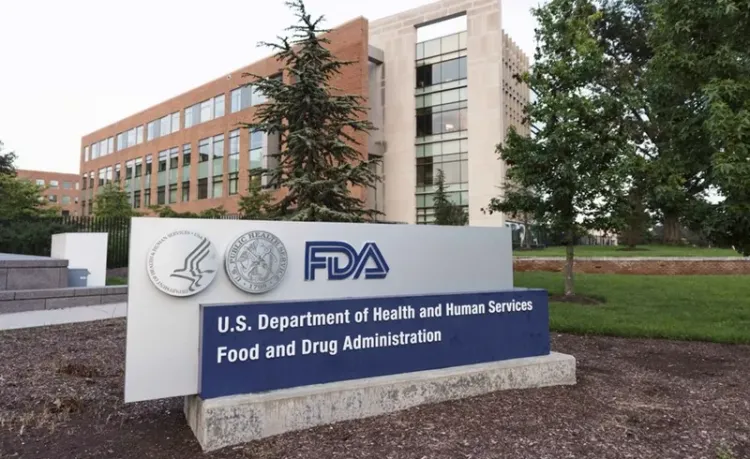
Nearly 99% of new food chemicals in the US are approved by the companies that make them — not the FDA. A Congressional hearing on 30 April exposed how a 1958 loophole called GRAS has quietly allowed hundreds of substances into the American food supply without federal review, and lawmakers from both parties are now demanding a reckoning.
Key Takeaways
A Congressional hearing on 30 April examined bills to reform FDA oversight of food chemicals, labelling, and the GRAS system.
The GRAS framework, created in 1958 , allows food companies to self-certify new chemicals as safe without direct FDA approval.
Scott Faber of the Environmental Working Group said "nearly 99%" of new food chemicals are approved by industry, not the FDA .
Ranking member Diana DeGette said the government does not know how many ingredients are currently in the US food supply.
An infant formula recall exposed delays in federal-state data sharing, described by officials as "inefficient and ineffective." The Food Safety Modernisation Act of 2010 remains the last major overhaul of US food safety law.
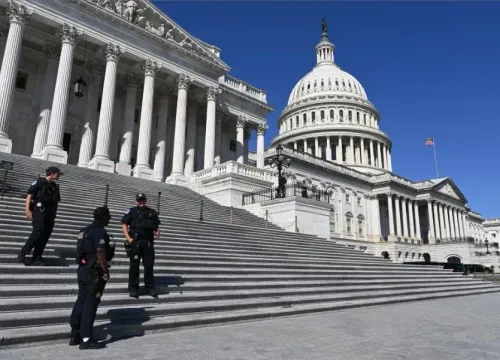
A growing alarm over chemicals in the United States food supply is driving a fresh legislative push in Congress, with lawmakers warning that decades-old regulatory gaps and opaque labelling are leaving American consumers without reliable information about what they are eating. At a hearing on 30 April, members examined a series of bills targeting transparency, Food and Drug Administration (FDA) oversight, and an overhaul of food safety rules that have not seen a major update since 2010.
The GRAS Problem at the Centre of the Debate
The central flashpoint was the "generally recognised as safe" (GRAS) system, created in 1958 to cover common ingredients such as vinegar and salt. Lawmakers argued the framework has since expanded far beyond its original intent, now allowing a wide range of chemical substances to enter the food supply without direct federal review.
Congressman Morgan Griffith noted that the hearing comes as chronic diseases linked to diet — including obesity and diabetes — continue to rise. He said "many complex chemicals are now considered generally recognised as safe" despite never having gone through formal FDA approval.
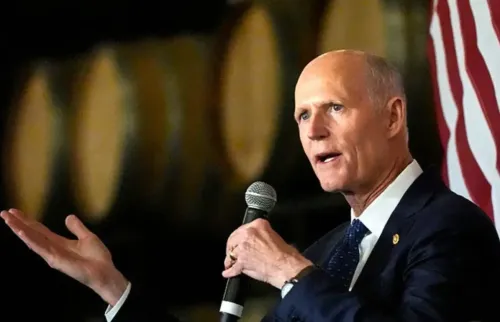
Scott Faber of the Environmental Working Group, a public health advocacy organisation, told lawmakers that "nearly 99% of new food chemicals… have been approved for safety by the food chemical companies, not by the FDA." He urged Congress to require FDA review of all new additives and to reassess chemicals already in use — a position backed by Democratic members.
What Lawmakers Said
Ranking member Diana DeGette said the government "does not know how many ingredients there are in American food," adding that consumers are left to interpret labels on their own. Democrats called for stricter federal oversight, while Republicans pushed for a single national standard to ensure consistency across states.
Congressman Brett Guthrie said the aim is to "strengthen consumer confidence" while avoiding policies that raise costs or disrupt the broader food system. Lawmakers from both parties agreed that clearer labelling — including standardised date labels, improved allergen disclosures, and clearer information on additives and caffeine — is necessary.
Industry Warns of Cost Pressures
Industry representatives cautioned against a fragmented regulatory landscape. Grocery executive Joseph Colalillo warned that differing state standards would increase costs and disrupt supply chains. "If we would have to have nine different formulas… either they're going to go away… or they're going to get more expensive for the consumer," he said.
Colalillo said retailers could face higher warehousing, transport, and compliance costs, which would likely be passed on to shoppers — a concern that found some sympathy among Republican members wary of regulatory overreach.
State Coordination Gaps and FDA Capacity Concerns
Steven Mandernach of the Association of Food and Drug Officials highlighted coordination failures between federal and state agencies. He cited an infant formula recall in which state inspectors found products still on shelves but could not access federal distribution data quickly, calling the delay "inefficient and ineffective."
Lawmakers also raised concerns about FDA capacity, noting that staffing cuts and limited resources have affected inspections, chemical reviews, and enforcement. The bills under consideration include reforms to the GRAS system, stronger allergen labelling, tighter oversight of infant formula, and improved inter-agency coordination.
What Comes Next
The debate arrives as concern over ultra-processed foods and their links to obesity, diabetes, and other chronic diseases intensifies across the country. The Food Safety Modernisation Act of 2010 remains the last major overhaul of US food safety law, having shifted the regulatory focus to prevention. Lawmakers now say further updates are unavoidable as the food system evolves and the number of additives in circulation grows. Whether Congress can bridge the partisan and industry divides to pass meaningful reform remains to be seen.
Point of View
Yet that is precisely what it has become. The fact that the FDA cannot even enumerate the ingredients currently in the US food supply is not a bureaucratic footnote — it is a structural failure. What this hearing exposed is less a policy gap and more a regulatory capture problem: industry has effectively been writing its own safety clearances for decades. The bipartisan consensus on labelling is welcome, but cosmetic fixes to disclosure rules will not resolve the deeper question of who bears the burden of proof when a new chemical enters the food chain.
NationPress
19 Sept 2026
Frequently Asked Questions
What is the GRAS system and why is it controversial?
GRAS stands for 'generally recognised as safe,' a regulatory category created in 1958 for common food ingredients. It has become controversial because it allows food companies to self-certify new chemicals as safe without mandatory FDA review, meaning hundreds of substances can enter the food supply without direct federal scrutiny.
What bills are being considered in Congress to reform food safety?
Lawmakers are examining bills that would reform the GRAS system, require FDA review of all new food additives, strengthen allergen labelling, standardise date labels, tighten oversight of infant formula, and improve coordination between federal and state food safety agencies.
Why are food chemicals a growing concern in the United States?
Concern has grown alongside rising rates of obesity, diabetes, and other chronic diseases linked to diet, as well as increased consumption of ultra-processed foods. Critics argue that inadequate federal oversight means many additives have not been independently assessed for long-term health effects.
What did industry representatives say about proposed reforms?
Grocery executive Joseph Colalillo warned that differing state-level standards would force multiple product formulations, raising warehousing, transport, and compliance costs that would ultimately be passed on to consumers. Industry broadly favoured a single national standard over a patchwork of state rules.
When was the last major US food safety law passed?
The Food Safety Modernisation Act of 2010 was the last major overhaul of US food safety law. It shifted the regulatory focus from responding to contamination to preventing it. Lawmakers now say further updates are needed given the growth in food additives and changes in the food system since then.