US cyber and special ops at core of modern war, Senate hears
Synopsis
The US conducted over 8,000 cyber missions in 2025 — a 25% jump from 2020 — as senators warned of an 'unsustainable' operational tempo amid an active conflict with Iran. With adversaries pre-positioning inside US critical infrastructure and AI accelerating attack sophistication, the Pentagon's 'Cybercom 2.0' overhaul may be the most consequential military reform underway right now.
Key Takeaways
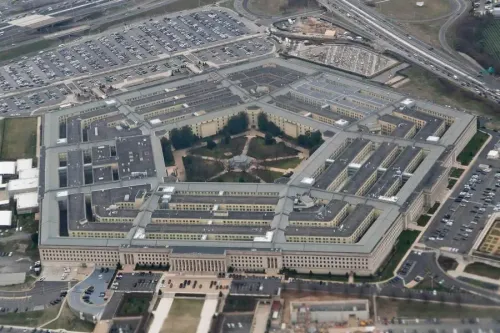
The US Senate Armed Services Committee held a posture hearing on 29 April covering Special Operations Command and Cyber Command .
General Joshua Rudd disclosed more than 8,000 US cyber missions in 2025 , a 25 per cent rise from 2020 .
Katherine Sutton warned adversaries — including Volt Typhoon — are pre-positioning inside US critical infrastructure.
Senator Jack Reed noted the hearing came two months into what he called President Trump's war with Iran , with cyber and special ops forces deeply engaged.
The Pentagon is advancing "Cybercom 2.0" to address recruitment, training, and retention gaps in the cyber workforce.
Lawmakers from both parties warned that losing technological superiority in AI and cyber would be "unacceptable."
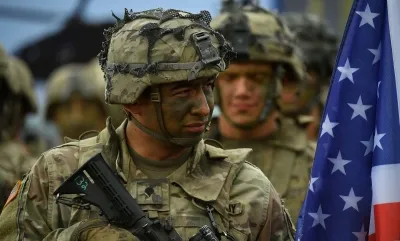
The United States' cyber and special operations forces are now at the centre of modern warfare, lawmakers and military leaders told a Senate Armed Services Committee hearing on 29 April, warning that threats are "immediate, persistent" and escalating — even as Washington remains deeply engaged in an expanding conflict with Iran.
Key Developments at the Senate Hearing
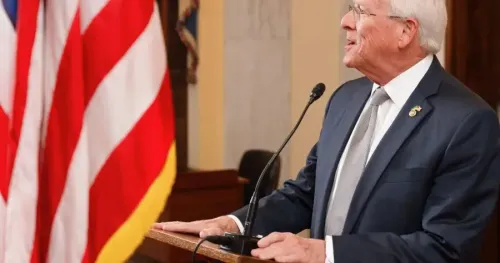
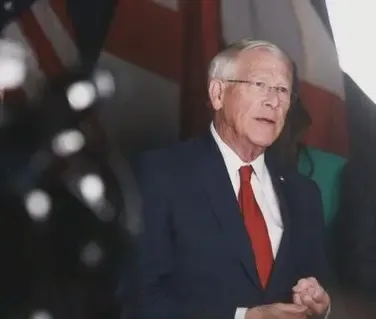
Opening the hearing on the posture of US Special Operations Command and Cyber Command, Senator Roger Wicker described recent missions as "a watershed moment for American military power," noting that cyber capabilities are now embedded from the outset of military planning. "Cyber threats are immediate, persistent, and they are escalating every day," Wicker said, warning that adversaries are actively targeting critical infrastructure and government networks.
Senator Jack Reed placed the hearing in stark context, noting it came "two months since President Trump launched the war with Iran," with both special operations and cyber forces "deeply engaged in this conflict." Reed said these units had played "a major role in enabling combat operations, conducting information warfare and providing intelligence support."
Adversaries Pre-Positioning Inside US Infrastructure
Katherine Sutton, Assistant Secretary of Defense for cyber policy, told lawmakers that adversaries are now "pre-positioning disruptive capabilities inside our nation's critical infrastructure." She warned that this represents a strategic shift — from mere exploitation to active effects — designed to "disrupt military deployments and sow chaos in crisis or conflict."
Sutton specifically flagged Volt Typhoon as "a significant and persistent threat to our national security." She also highlighted the accelerating role of artificial intelligence, calling it "a powerful force multiplier" that increases "the speed, scale, and sophistication" of attacks. This comes amid a broader global race among major powers to weaponise AI for cyber operations.
Over 8,000 Cyber Missions in 2025
General Joshua Rudd, head of Cyber Command, disclosed that the US conducted more than 8,000 cyber missions in 2025 — a 25 per cent increase from 2020 — with even higher activity expected through the remainder of the year. Rudd stressed that cyber operations are now integral to joint military action, citing operations Absolute Resolve and Epic Fury as examples of "cyber and kinetic operations working seamlessly."
Notably, the pace of cyber missions reflects a doctrinal shift that has been building since at least 2018, when Cyber Command was elevated to a unified combatant command. What once served as a support function has become a primary instrument of force projection.
Special Operations Under Unprecedented Strain
Admiral Frank Bradley told the committee that the US faces a reality of "simultaneity" — managing simultaneous threats from China, Russia, Iran, terrorism, and criminal networks. "We do not have the luxury of focusing on only a single goal or mission," Bradley said, adding that demand for special operations forces is higher than ever.
Lawmakers acknowledged the toll this is taking. Reed warned that the high operational tempo could be "unsustainable," while Wicker raised concerns that cyber forces are "working overtime" without sufficient capacity to rotate or replace personnel.
Cybercom 2.0 and the Road Ahead
To address growing capability and personnel gaps, the Pentagon is advancing "Cybercom 2.0," a major overhaul targeting recruitment, training, and retention of cyber specialists. Sutton said the initiative aims to build "domain mastery and specialised skills" across the force. Lawmakers from both parties stressed that maintaining technological superiority — particularly in AI and advanced cyber tools — is non-negotiable, warning that losing this edge would be "unacceptable."
The hearing also surfaced concerns over election security, critical infrastructure vulnerabilities, and the growing role of allied nations in countering shared global threats. With Cybercom 2.0 still in its early stages, the gap between operational demand and available capacity remains the committee's most urgent unresolved question.
Point of View
000-mission figure is striking, but the more revealing detail is what Senator Reed said quietly: the US has been at war with Iran for two months, and cyber forces are 'deeply engaged.' That framing — war, not conflict or tension — signals an escalation in political language that mainstream coverage has largely glossed over. Meanwhile, the 'Cybercom 2.0' overhaul arriving precisely when operational tempo is described as 'unsustainable' raises a pointed question: is the Pentagon building capacity for the future, or scrambling to keep pace with the present? The Volt Typhoon warning also deserves more attention — pre-positioning inside critical infrastructure is not a hypothetical threat; it is an active one, and the public discourse has not caught up.
NationPress
19 Sept 2026
Frequently Asked Questions
What did the US Senate hearing on cyber and special operations reveal?
The hearing revealed that the US conducted more than 8,000 cyber missions in 2025, a 25 per cent increase from 2020, with adversaries actively pre-positioning disruptive capabilities inside US critical infrastructure. Lawmakers warned that the current operational tempo may be unsustainable.
What is Volt Typhoon and why is it a threat?
Volt Typhoon is a cyber threat actor that US officials describe as pre-positioning disruptive capabilities inside American critical infrastructure. Assistant Secretary Katherine Sutton called it 'a significant and persistent threat to national security' at the 29 April Senate hearing.
What is Cybercom 2.0?
Cybercom 2.0 is a Pentagon initiative to overhaul the recruitment, training, and retention of US cyber personnel. It aims to build domain mastery and specialised skills across Cyber Command as operational demand outpaces current workforce capacity.
How are US cyber and special operations forces involved in the Iran conflict?
Senator Jack Reed stated at the hearing that both special operations and cyber forces are 'deeply engaged' in the conflict with Iran, playing a major role in enabling combat operations, conducting information warfare, and providing intelligence support.
How is artificial intelligence changing cyber warfare?
According to Assistant Secretary Katherine Sutton, AI is acting as a 'powerful force multiplier,' increasing the speed, scale, and sophistication of cyberattacks. Both US forces and adversaries are accelerating AI integration into cyber operations.