What Are the US Envoy's Concerns Regarding China and Support for Sri Lanka's Reforms?
Click to start listening
Synopsis
The US envoy nominee emphasizes the significance of maritime security and economic reforms in Sri Lanka while addressing China’s expanding influence. With the country recovering from a devastating cyclone and an economic crisis, the US seeks to bolster ties through strategic partnerships and support, making this a critical moment for Sri Lanka's future.
Key Takeaways
- US prioritizes maritime security in Sri Lanka.
- Economic reforms linked to the IMF are essential.
- Response to Cyclone Ditwah shows US commitment.
- Strategic location of Sri Lanka is vital for US interests.
- China's influence raises concerns in US-Sri Lanka relations.
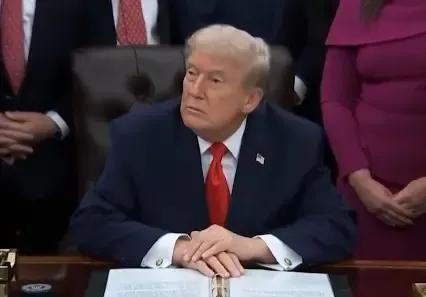
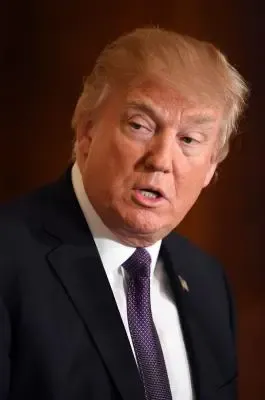
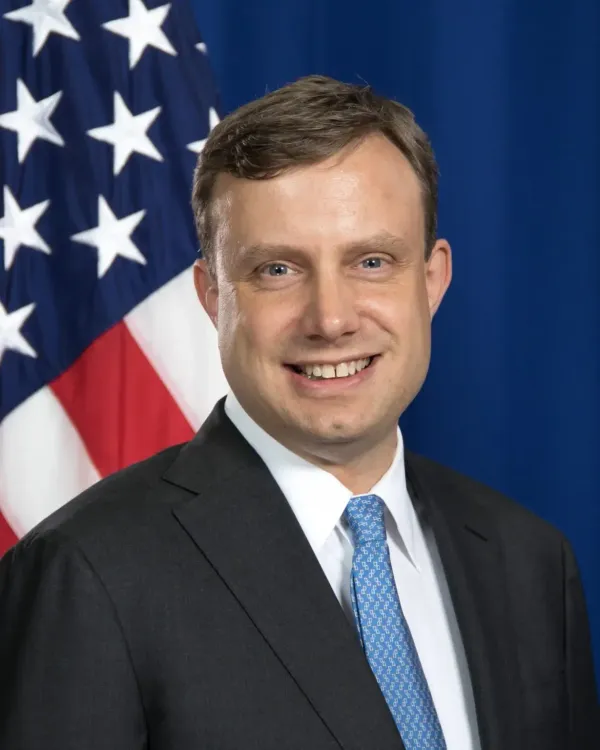
Washington, Dec 13 (NationPress) The nominee for US ambassador to Sri Lanka, appointed by President Donald Trump, conveyed to legislators that the United States will prioritize maritime security, economic reforms, and addressing China’s increasing influence in the Indian Ocean nation, as Sri Lanka works towards recovery from its 2022 economic crisis and the impact of a severe cyclone this year.
During his testimony before the Senate Foreign Relations Committee, nominee Eric Meyer emphasized that Sri Lanka’s pivotal location along crucial global shipping routes is vital for US initiatives aimed at fostering a “free and open Indo-Pacific” and countering various adversarial influences, particularly China's rising presence in the area.
“Sri Lanka is strategically positioned along some of the busiest shipping lanes in the Indian Ocean, with US Navy vessels and a significant portion of the world’s seaborne crude oil regularly passing through its waters,” Meyer stated. “This location is essential for US endeavors to ensure a free and open Indo-Pacific.”
Meyer expressed that his foremost priority, if confirmed, would be the safety of US citizens in Sri Lanka. He also highlighted Washington's response to Cyclone Ditwah, which resulted in over 600 fatalities and displaced numerous individuals.
“The United States has allocated $2 million in emergency aid and utilized its military’s strategic airlift capabilities to aid relief efforts,” he remarked, calling this assistance a testament to “our strong and enduring partnership with Sri Lanka.”
On the subject of Sri Lanka’s recovery from its economic and political turmoil, Meyer stated that the nation is “a resilient country poised to emerge as a regional economic leader,” referencing plans for the expansion of the Port of Colombo.
“In the upcoming year, the Port of Colombo is expected to double its cargo handling capacity, underscoring the significant and strategic opportunities inherent in Sri Lanka’s ports, logistics, and shipping sectors,” he noted.
Meyer also mentioned his intention to encourage Colombo to persist with the economic reforms associated with its IMF program, asserting that economic sovereignty is intertwined with national independence.
“If they adhere to their reforms, it will also generate opportunities for increased US investment and corporate engagement in Sri Lanka, ultimately fortifying our relationship with the country,” he stated.
In response to inquiries, Senate Foreign Relations Committee Chairman Jim Risch referred to China’s involvement in Sri Lanka’s port infrastructure as a cautionary tale on an international scale.
“What the Chinese did to Sri Lanka with their port has become a global example of why nations should be wary of engaging with China,” Risch said.
Meyer replied that the US aims for “open and transparent” bilateral relations and would collaborate with Sri Lanka “to ensure that they assert their sovereignty, including over ports.”
As part of a broader Indo-Pacific strategy, Meyer indicated that defense and law enforcement collaboration would be crucial to US interaction with Sri Lanka.
“Our defense and law enforcement partnerships are essential for tackling security challenges, including aiding in disaster relief, combating transnational crime and trafficking, enhancing maritime domain awareness, and protecting Sri Lanka’s maritime sovereignty and port security,” he said.
He added that the US would partner with Sri Lanka to “protect waterways and ports for trade,” “secure commercial opportunities for US firms,” and bolster Sri Lanka’s status as “an emerging regional security ally.”
Meyer promised to work closely with Congress upon confirmation, stating that he would lead an interagency team to execute a foreign policy aimed at making “America safer, stronger, and more prosperous.”
Sri Lanka experienced its most severe economic crisis in decades in 2022, characterized by foreign exchange shortages, debt defaults, and widespread protests that led to political instability. Since then, Colombo has been pursuing IMF-backed reforms to stabilize its economy.
China’s funding of substantial infrastructure projects, such as the Hambantota port, has come under sustained scrutiny from Washington and New Delhi, with Sri Lanka actively seeking to rebalance its relationships amid increasing competition in the Indian Ocean region.
Point of View
It’s imperative to recognize the significance of the US's commitment to Sri Lanka amidst its economic recovery and geopolitical challenges. The focus on maritime security and economic reforms not only showcases the USA's strategic interests but also emphasizes the need for Sri Lanka to navigate its future with resilience and independence.
NationPress
13/12/2025
Frequently Asked Questions
What is the main focus of the US envoy nominee for Sri Lanka?
The main focus is on prioritizing maritime security, economic reforms, and countering China's growing influence in Sri Lanka.
How is the US supporting Sri Lanka after the cyclone?
The US has committed $2 million in urgent assistance and used military airlift capabilities to support relief efforts.
What are the strategic opportunities in Sri Lanka's ports?
The Port of Colombo is expected to double its cargo handling capacity, highlighting significant opportunities in logistics and shipping.
What is the importance of economic reforms for Sri Lanka?
Economic reforms are crucial for enhancing national sovereignty and attracting US investment, thereby strengthening ties.
What does the US seek in its relationship with Sri Lanka?
The US seeks open and transparent bilateral relations that respect Sri Lanka's sovereignty, especially over its ports.