US Fuel Price Predictions Linked to Iran Tensions
Synopsis
The Trump administration ties U.S. gas price forecasts to the Iran conflict, asserting that sustained reductions depend on the reopening of the Strait of Hormuz. Treasury Secretary Scott Bessent anticipates potential price drops by late summer, pending diplomatic progress.
Key Takeaways
U.S. fuel prices are linked to the Iran conflict.
A reopening of the Strait of Hormuz is crucial for market stabilization.
Lower gas prices may be seen between June and September 2023.
The administration is monitoring fuel pricing closely.
Strategic goals include preventing Iran from acquiring nuclear weapons.
Washington, April 16 (NationPress) The administration under Trump has associated the forecast for U.S. fuel prices with the ongoing Iran conflict. According to officials, a consistent reduction in gasoline prices hinges on the reopening of the Strait of Hormuz and advancements in ongoing diplomatic discussions.
Treasury Secretary Scott Bessent informed the media during a White House briefing that the timeline for reduced gas prices remains unpredictable, attributing this uncertainty to disruptions in global oil supply chains due to Iran-related tensions.
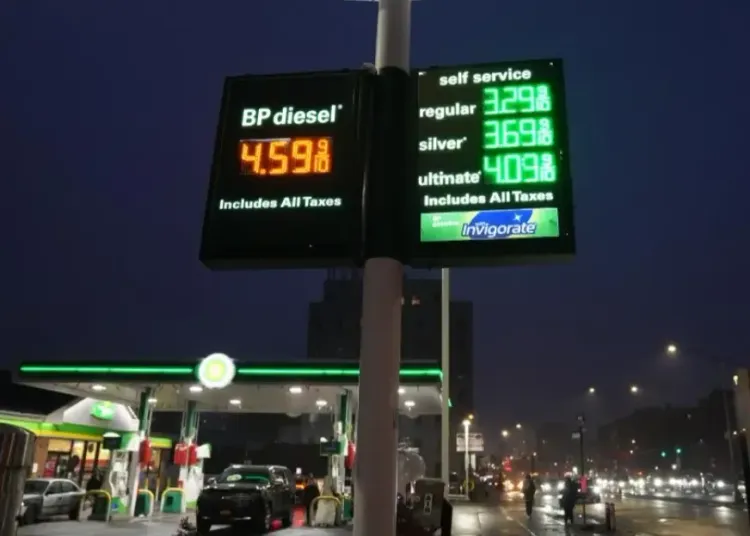
“I believe that between June 20th and September 20th we could see gas prices drop to $3 again,” Bessent stated, emphasizing that the outcomes are contingent on the progress of negotiations.
He added that the Strait of Hormuz has not been fully reopened, suggesting that energy markets would stabilize once shipping routes return to standard operations.
Bessent also mentioned that talks with finance ministers from the Middle East indicated a possibility of resuming oil production swiftly once conditions improve. “When the Straits are reopened, they can begin pumping again within a week,” he noted.
The administration is vigilantly observing fuel price trends and encouraging retailers to reduce prices as crude oil values decline.
Karoline Leavitt, White House Press Secretary, stated that current price fluctuations are part of a larger strategic initiative linked to the situation with Iran.
“This represents a temporary disruption in pursuit of the United States' long-term strategic objectives,” she said, alluding to efforts aimed at preventing Iran from acquiring nuclear weapons.
Leavitt expressed optimism about falling fuel prices once operations are restored and the Strait reopens, highlighting the government's commitment to boosting domestic energy output.
Bessent characterized this strategy as “short-term instability for long-term benefits,” suggesting that temporary economic challenges are part of a broader plan.
The administration also emphasized initiatives to stabilize global energy flows, which include collaboration with allies and regional partners.
Point of View
The connection between fuel prices and international conflicts highlights the intricate balance of energy security and diplomatic negotiations. The administration's stance reflects a strategic approach, blending short-term challenges with long-term goals.
NationPress
19 Sept 2026
Frequently Asked Questions
What factors influence U.S. gas prices?
U.S. gas prices are influenced by global oil supply disruptions, geopolitical tensions, and domestic production levels.
How does the situation in Iran affect fuel prices?
Tensions in Iran can disrupt oil flows, impacting global supply and leading to fluctuations in U.S. fuel prices.
What is the significance of the Strait of Hormuz?
The Strait of Hormuz is a crucial shipping lane for oil, and its stability is vital for maintaining global oil supply.
When can we expect gas prices to decrease?
Gas prices may decrease between June 20th and September 20th, depending on diplomatic progress and market stabilization.
What is the U.S. administration's strategy regarding oil prices?
The U.S. administration aims for short-term volatility to achieve long-term stability in energy markets.