Uncertain Future for Upcoming US-Iran Negotiations After Cargo Ship Seizure
Synopsis
The anticipated second round of US-Iran negotiations faces uncertainty following the US seizure of an Iranian cargo ship. While Iran denies any plans to negotiate, regional efforts continue to facilitate dialogue. Can a resolution be reached amidst rising tensions?
Key Takeaways
US forces seized an Iranian cargo ship, escalating tensions.
Iran denies plans for negotiations amid ongoing naval blockade.
Regional countries are actively seeking to mediate dialogue.
The nuclear issue remains a significant point of contention.
Pakistan has enhanced security measures in preparation for talks.
Islamabad, April 20 (NationPress) As US military forces have seized control of an Iranian-flagged cargo vessel, Iran has stated that it currently has no plans to dispatch a negotiating team for peace discussions. Consequently, the outlook for the anticipated second round of US-Iran negotiations remains uncertain.
In the meantime, neighboring countries are intensifying their efforts to facilitate dialogue between the two nations.
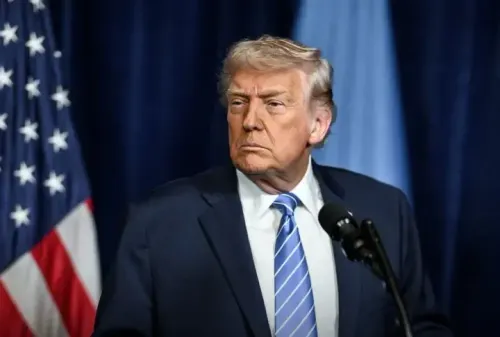
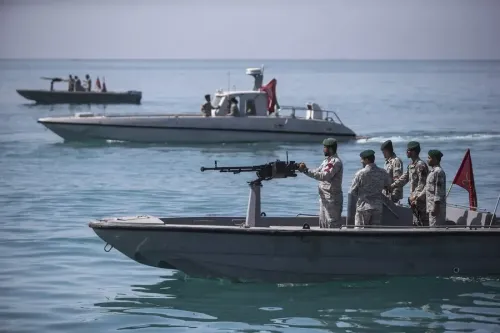
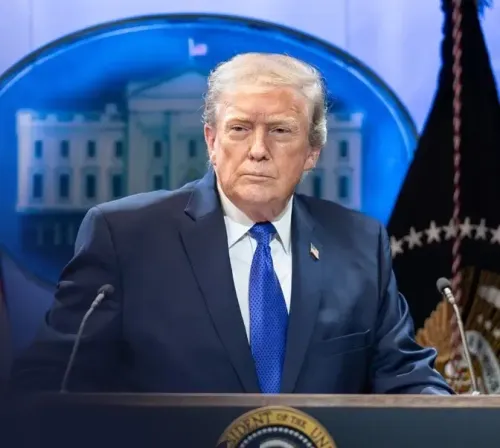
On Sunday, President Donald Trump announced that US forces had intercepted and secured an Iranian-flagged cargo ship attempting to evade the US blockade in the Gulf of Oman.
"Today, an Iranian-flagged cargo ship named TOUSKA, measuring nearly 900 feet and weighing close to that of an aircraft carrier, attempted to breach our Naval Blockade, and it did not end favorably for them," Trump shared on his social media platform, Truth Social.
In retaliation, Iran has reportedly targeted US military vessels following the seizure of its ship, according to recent news updates.
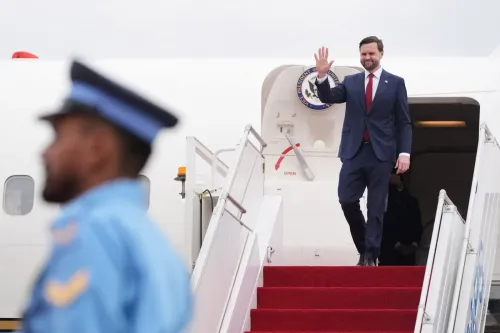
Before the tensions escalated in the Strait of Hormuz, Trump declared that US negotiators would be heading to Islamabad on Monday for potential discussions with Iran, though he did not specify who would lead the delegation.
Nevertheless, Iranian sources dismissed the possibility of talks in Islamabad. Iran's semi-official Tasnim news agency reported on Sunday that the country has no current plans to send a negotiating team for peace talks with the United States.
The Iranian representatives have asserted that as long as the US maintains its "anti-Iran" naval blockade, negotiations with Washington will not take place, according to the report.
Iran's official news agency IRNA stated on Sunday that the nation has declined to participate in the second round of peace discussions with the United States. Iran's absence from the upcoming talks is attributed to what it perceives as Washington's unreasonable demands, inconsistent positions, and the ongoing naval blockade, which it views as a violation of the ceasefire, as mentioned in a post on its English social media account.
Trump emphasized that the US naval blockade on Iran would remain intact until the transaction with Tehran is "100 percent complete."
The Strait of Hormuz represents just one of the many hurdles ahead. Media reports and statements from both sides highlight the nuclear issue as another significant point of contention.
Trump stated on Friday that the United States would collaborate with Iran to eliminate its enriched uranium. CNN, citing informed sources, reported that Washington is willing to unfreeze $20 billion in Iranian assets in exchange for Tehran relinquishing its stockpile, a proposal that Iranian Deputy Foreign Minister Saeed Khatibzadeh has deemed "impossible."
Disagreements persist regarding Iran's right to enrich uranium. Trump claimed that Iran had consented to indefinitely suspend its nuclear program, a statement refuted by an unnamed senior Iranian official in an interview with CNN the following day.
US sources familiar with prior discussions indicated that Washington had proposed a 20-year suspension of Iran's enrichment activities, while Tehran countered with a five-year halt—a proposal that the US rejected.
Despite the ongoing differences between Iran and the US, regional nations are amplifying their efforts to revive discussions between the two rival countries following their initial round of negotiations in Islamabad.
Pakistani Prime Minister Shehbaz Sharif engaged in a phone conversation with Iranian President Masoud Pezeshkian on Sunday. During the 45-minute call, Sharif informed the Iranian leader about his recent engagements with regional leaders, including those from Saudi Arabia, Qatar, and Turkey, emphasizing the importance of such interactions in fostering consensus and achieving lasting peace in the war-torn region.
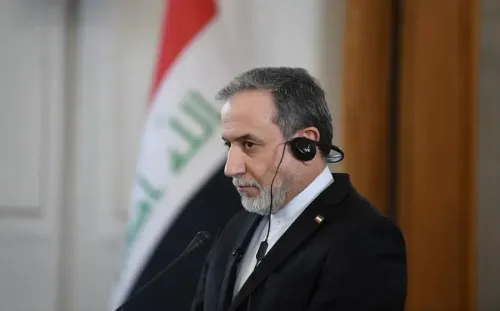
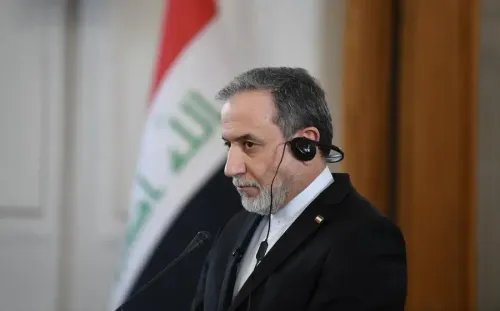
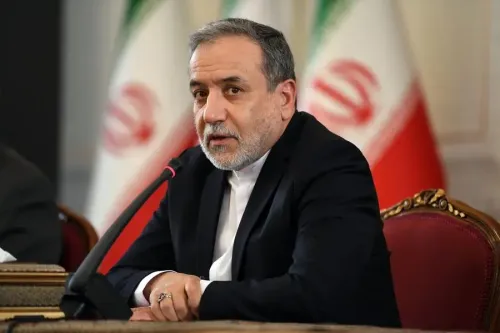
Pakistan's Deputy Prime Minister and Foreign Minister Mohammad Ishaq Dar also spoke separately with Iranian Foreign Minister Seyed Abbas Araghchi.
Additionally, on Sunday, Egyptian Foreign Minister Badr Abdelatty and his Pakistani counterpart Dar expressed optimism for a new round of US-Iran negotiations during a phone call, reiterating that dialogue is the sole path to resolving the dispute.
Both parties agreed to maintain collaborative coordination and consultation on relevant developments to bolster regional security and stability.
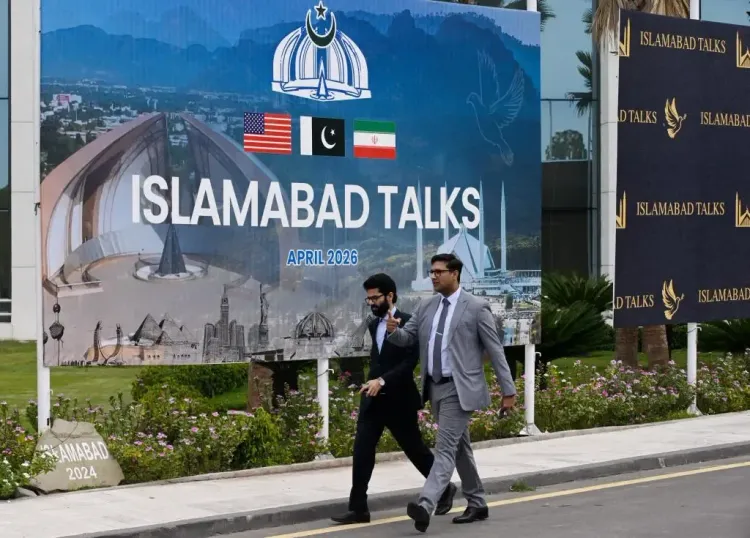
To prepare for the potential talks, Pakistan has heightened security in its capital, Islamabad, and the nearby garrison city of Rawalpindi.
According to police sources, around 20,000 police officers, supported by hundreds of elite commandos including snipers, have been deployed across the twin cities for security duties. Similar arrangements were implemented prior to the first round of peace discussions.
Authorities have also suspended all public and commercial transport in Rawalpindi and Islamabad as part of the security plan, and most access points to the Red Zone have been sealed.
Major hotels, such as the Serena Hotel and Marriott Hotel, have requested guests to vacate as the government has requisitioned these properties for the talks. Hostels and guesthouses in the capital have also been instructed to close until further notice.
Point of View
It is crucial to remain informed about the ongoing geopolitical dynamics. While the potential for negotiations appears dim, the efforts of regional players to mediate could play a pivotal role in easing tensions and fostering dialogue. Vigilance and cooperation will be key in addressing this complex issue.
NationPress
16 Sept 2026
Frequently Asked Questions
What caused the recent tensions between the US and Iran?
The tensions escalated after the US forces intercepted an Iranian-flagged cargo ship, leading Iran to announce it would not send a delegation for peace talks.
Are there any upcoming negotiations between the US and Iran?
Currently, Iran has no plans to engage in negotiations with the US due to the ongoing naval blockade and perceived unreasonable demands from Washington.
What are the key issues affecting US-Iran relations?
Key issues include the naval blockade by the US, Iran's nuclear program, and disagreements over uranium enrichment rights.
How are regional countries involved in US-Iran talks?
Regional countries are making efforts to mediate discussions between the US and Iran, emphasizing the importance of dialogue for peace.
What security measures are being taken in Pakistan for the talks?
Pakistan has heightened security in Islamabad and Rawalpindi, deploying thousands of police personnel and sealing off access points to ensure safety during potential negotiations.